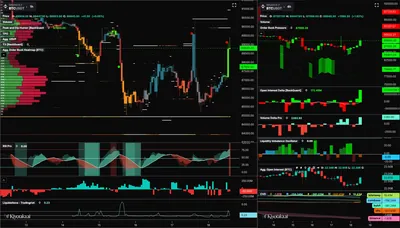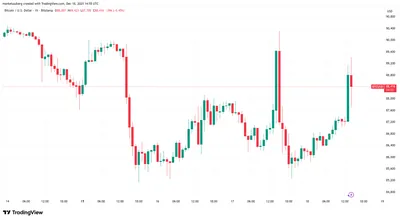
Bitcoin reached a new weekly high of $93,500 on Jan. 13 even as U.S. lawmakers postponed markups of the CLARITY Act. The markup was pushed to late January, a delay that Senate Agriculture Committee Chair John Boozman attributed to unresolved disagreements over stablecoin incentives, DeFi oversight and agency jurisdiction. Despite the legislative pause, the market pushed BTC above $93K, prompting questions about whether the move can be sustained without stronger ETF flows or retail participation.
Bitcoin Rallies Above $93K Despite CLARITY Act Delay
Price action has shown compressed volatility around the delay: BTC traded in a narrow band, briefly dipping below $91,000 before breaking above $93,500 during the New York session. That resilience contrasts with past regulatory scares when exchange inflows typically spiked as holders rushed to sell. This time, inflows did not materialize, and the rally continued with relatively little visible selling pressure.
Market Reaction and On-Chain Data
Exchange netflows remained low, a sign that traders were not moving significant amounts onto exchanges to sell, according to XWIN Research. At the same time, the Spent Output Profit Ratio (SOPR) hovered around 1, which points to minimal profit-taking and limited on-chain spending. Taken together, these metrics suggest a patient market where holders are not immediately rotating capital despite the regulatory uncertainty.
ETF Liquidity and Retail Demand
Liquidity from spot Bitcoin ETFs has been a restraint on the recovery: more than $6 billion has exited spot ETFs, though flows have stabilised in recent weeks. The withdrawal of ETF liquidity has left the market relying more on larger players than on broad retail participation, a dynamic also visible in price behaviour. For additional reading on ETF withdrawals tied to CLARITY Act timing, see ETF outflows and their drivers.
Retail demand remains weak: CryptoQuant data shows 30-day BTC demand from small buyers (addresses moving $0–$10,000) is deeply negative, indicating reduced participation from smaller investors. The Coinbase premium index has not flipped bullish, which reinforces caution among some market participants. For context on price stability amid ETF outflows, see ETF outflows and price.
Почему это важно
Если вы майните в России и у вас от одного до тысячи устройств, текущая ситуация означает, что краткосрочная волатильность может оставаться низкой, но ликвидность рынка ограничена. Рост цены до $93,500 повысит теоретическую выручку за добытый BTC, однако слабое участие розницы и значительный отток средств из ETF говорят о том, что поток покупателей снижен; это может затруднить быструю фиатизацию добытой крипты по выгодной цене.
Отсрочка CLARITY Act напрямую не меняет условия майнинга в РФ, но она влияет на международные потоки капитала и поведение крупных держателей BTC, которые сейчас обеспечивают большую часть покупательного давления. При этом данные on-chain (низкие netflows и SOPR около 1) указывают на то, что многие держатели действуют бережно и не спешат фиксировать прибыль.
Что делать?
Оценивайте свою налоговую и операционную стратегию в рублях: при слабой ликвидности на рынке стоит планировать фиатизацию добычи с запасом и избегать срочной продажи больших объёмов. Подумайте о поэтапных продажах — это поможет уменьшить риск неблагоприятного проскальзывания при выводе средств на биржи.
Следите за простыми on-chain метриками (exchange netflows, SOPR) и за потоками ETF, чтобы понимать, кто движет цену. При любых решениях учитывайте риск и размер своей фермы: меньшим майнерам может быть разумнее держать часть добычи, а крупным — распределять продажи и резервировать ликвидность.