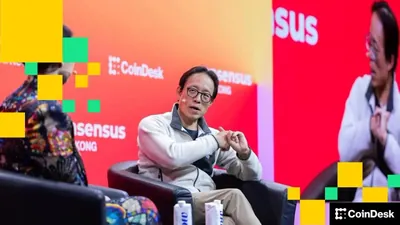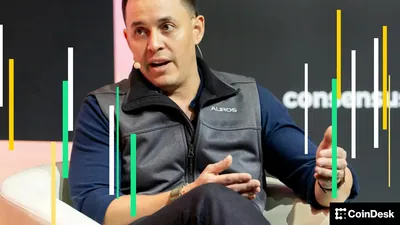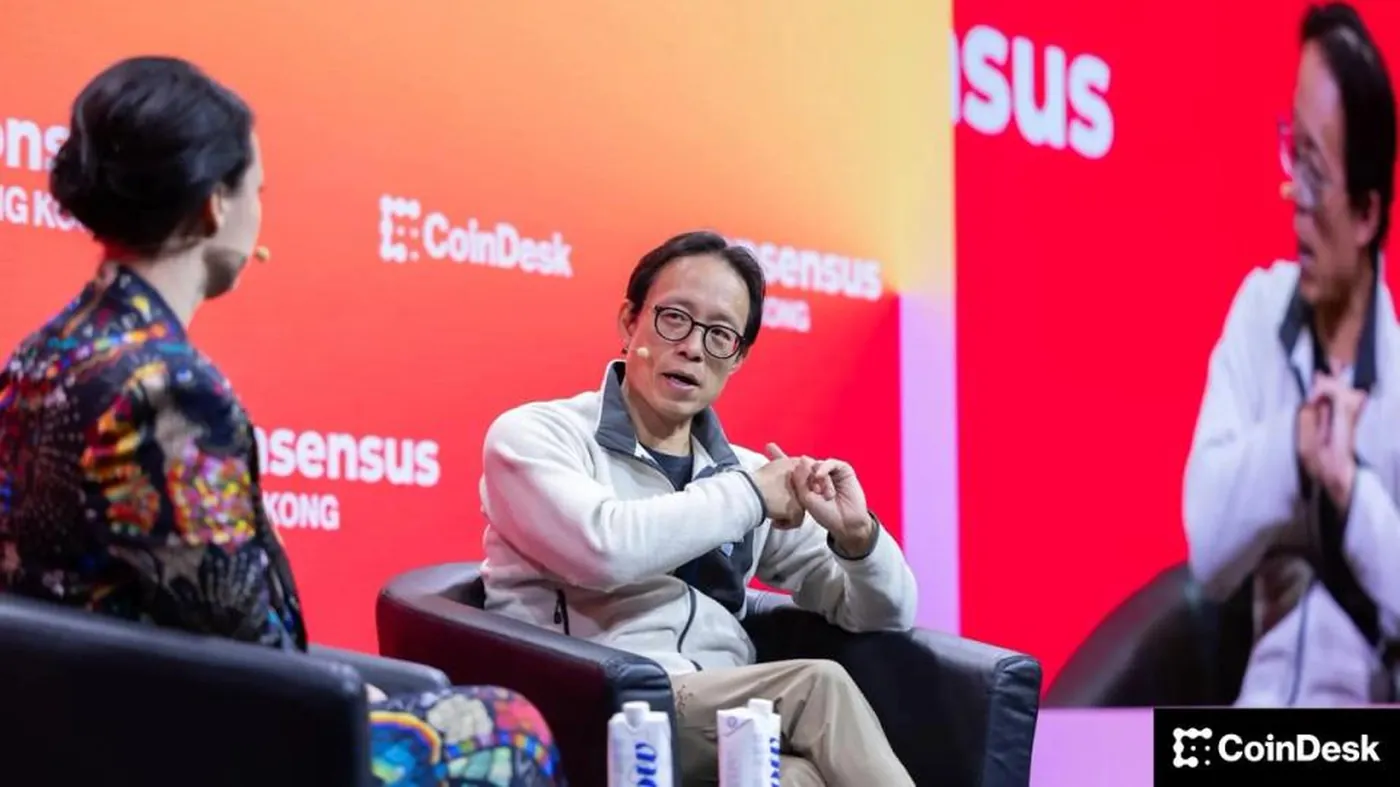
Yat Siu, co-founder of Animoca Brands, says the NFT market is far from dead: wealthy collectors continue to support active trading and purchases. He pointed to monthly NFT sales of close to $300 million and described collectors' behavior as similar to traditional art collecting. At the same time, Siu noted his own NFT holdings are down about 80%, underscoring both the market's volatility and the collector mindset.
Current State of the NFT Market
The broader NFT market remains well below its 2021/22 highs in valuations, yet activity persists among dedicated buyers and collectors. France’s flagship sector event, NFT Paris, was canceled just one month before it was due to open, a sign of how events and market sentiment can be disrupted. For more on recent market shifts and how the sector has refocused, see NFT market 2025.
Wealthy Collectors Driving the NFT Market
Siu told attendees at the CfC St. Moritz crypto conference that wealthy collectors are the main force keeping NFT sales moving, often treating digital items like traditional artwork. He compared NFT collecting to joining a club of like-minded owners, similar to collectors of Picassos, luxury cars, or watches, which helps explain why high-net-worth individuals remain active buyers. High-profile examples include billionaire Adam Weitsman, who has been buying NFTs such as Otherdeed lands and Bored Apes, a point Siu raised to illustrate persistent demand among well-funded collectors.
Challenges and Concerns in the NFT Market
Siu also linked the cancellation of NFT Paris to wider issues in France, where the nation has at times moved away from a pro-crypto stance. Regulatory scrutiny has touched NFT-related projects, with certain platforms examined by gambling regulators, and security has become a concrete worry for some participants. In the past year France has seen a spate of kidnapping and abduction attempts targeting crypto executives and investors, a factor that affected sponsors and attendees for large events.
Future Outlook for NFTs
While prices can be volatile — as Siu's own portfolio demonstrates — the market retains visible demand from wealthy collectors, and blockchain records make transaction data publicly verifiable. Siu emphasized that many NFTs were bought as long-term assets rather than short-term flips, which shapes how owners respond to downturns. The combination of collector demand and transparent on-chain data keeps the conversation about NFTs open, even if the market looks different from its peak.
Why this matters
If you run mining hardware in Russia, this news mostly concerns marketplaces and collectors rather than mining operations themselves, but it still matters for the crypto ecosystem you participate in. Continued buyer interest from wealthy collectors helps sustain certain token markets and platforms, which can affect liquidity for assets you may encounter or hold.
Security and regulatory developments in Europe, including the cancellation of major events and reported safety incidents in France, can influence where creators, buyers and conferences operate. That can change opportunities for networking, selling or buying NFTs in person, and may affect perceptions of the market internationally.
What to do?
- Keep separate records: store NFT ownership proofs and transaction records off-site and on-chain to ensure access and verifiability in changing market conditions.
- Assess holdings with a long horizon: if you hold NFTs, consider whether purchases were intended as long-term assets rather than short-term flips, mirroring Siu's approach.
- Follow security notices: if you travel for conferences or sales, track official guidance and consider event security when planning attendance, especially for events in regions with reported incidents.
- Monitor market data on-chain: use public blockchain records to verify activity and sales volumes instead of relying solely on headlines or third-party summaries.
- Stay informed about regulation: watch for local and international regulatory changes that could influence NFT platforms and marketplaces you use.