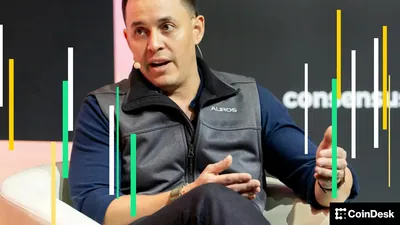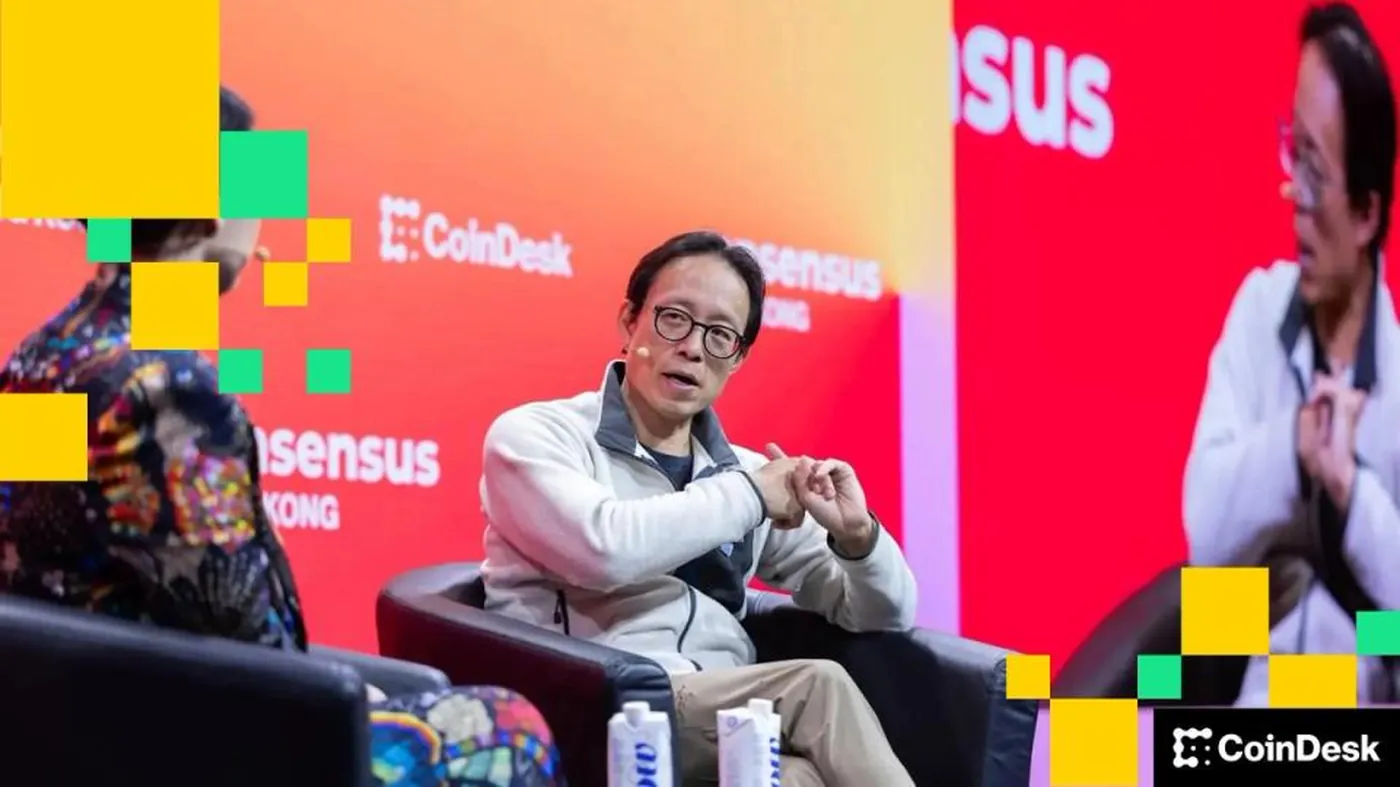
For much of 2025, markets priced crypto around the expectation that U.S. politics would deliver broad regulatory gains. Yat Siu, co-founder and executive chairman of Animoca Brands, says that expectation — the so‑called Trump trade — faded without producing the decisive policy outcome the industry had hoped for.
The End of Crypto’s Trump Moment
Siu sees the fading of the Trump trade as a signal that politics will no longer be the primary engine of crypto’s next phase. Instead, he argues, the industry is moving toward structural drivers that reflect how capital and infrastructure actually operate.
Institutional Capital and Market Behavior
According to Siu, institutional capital is becoming a permanent force in crypto markets, which changes how investors treat digital assets and how prices form. He describes Bitcoin as functioning much like gold — serving as a reserve asset — while altcoins are being repositioned to demonstrate concrete utility within the broader economy.
This structural shift affects market relationships and strategy; for perspective on bitcoin’s market role see Bitcoin forecast. Animoca itself is pursuing a distinct position in that new landscape: the company filed for a reverse merger to list on the Nasdaq exchange as it seeks to operate as an altcoin digital asset treasury company.
Convergence of Crypto and AI
Siu argues that crypto and artificial intelligence are not rivals but increasingly complementary layers, with blockchain offering trust and sovereignty that autonomous systems may require. He suggests that for many users, exposure to AI could come via crypto because blockchains provide rails that cannot be arbitrarily revoked or altered, which matters if systems are expected to act independently.
Gamified Finance and Cultural Shifts
Rather than bringing finance into games, Siu says crypto is absorbing gaming culture, adopting mechanics that resonate with younger users who grew up online. He points to examples such as Hyperliquid’s leaderboard, where social ranking and reward mechanics turn wins and losses into visible cultural signals.
Those design choices, Siu argues, reflect how a generation already understands participation and value; for more on altcoin evolution see Altcoins 2025.
Hong Kong’s Role in the Future of Crypto
Siu views Hong Kong as well‑positioned to play a central role in the next phase because the city combines global capital markets with proximity to advanced technology ecosystems. He says Hong Kong’s mix of international reach and local tech neighbours gives it advantages when building digital‑assets infrastructure with global rails.
Why this matters
If political headlines no longer set the pace, miners and small operators should expect market drivers to come from capital flows, infrastructure, and user adoption rather than election cycles. That means the environment shaping demand, prices, and project lifecycles will increasingly reflect long‑term institutional behaviour and technological integration.
What to do?
For a miner in Russia with anywhere from a few rigs to a larger setup, the immediate impact may be limited, but practical steps help manage risk and opportunity. Monitor your exposure to altcoins versus Bitcoin, keep equipment and operational costs under control, and maintain basic security and compliance practices to stay adaptable as markets shift.
Also, track developments in infrastructure and services that serve institutional flows and AI use cases, because those trends will influence demand and the kinds of tokens and platforms that gain traction. Prioritize flexibility: diversify payout options, document operational costs, and follow regulatory guidance relevant to your activity.