Bitcoin has been noticeably lagging behind gold, silver and major U.S. stock indexes in late 2025, even as those assets reach fresh highs. While precious metals and equities are drawing attention for record moves, crypto prices have stayed relatively flat, prompting active debate across social media and forums. Traders and investors are offering multiple, often conflicting explanations for this divergence.
Bitcoin's Underperformance in Late 2025
The leading digital asset and many altcoins have not participated in the same rally that has lifted precious metals and equity indexes, leaving Bitcoin looking unusually idle by comparison. Commentators point out that stock indexes and PMs are notching highs while crypto prices sit stuck, a split that has drawn scrutiny from traders on platforms like X and Reddit.
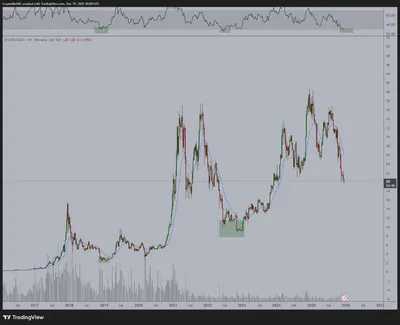
Market observers have noted specific metrics behind the concern: Bitcoin is roughly -28% off its peak, and some participants say it is experiencing its weakest fourth quarter in seven years. Those figures have become focal points for explanations ranging from technical market structure to allegations of price manipulation.
Market Reactions and Speculations
Responses to Bitcoin’s lag are varied and vocal. Many market participants attribute the gap to factors such as liquidity shifts, temporary decoupling from other assets, or active manipulation, while others frame the lull as a buying opportunity and a classic rotation scenario.
The absence of a single clear trigger has amplified these narratives, with some traders suggesting that attention and capital have simply flowed toward metals and equities for now. That conversational noise has helped keep different theories—structural, technical and conspiratorial—alive in public forums.
Investor Sentiments and Concerns
Beyond short-term trade narratives, several deeper worries appear in the conversations. One recurring concern is quantum computing and its potential long-term impact on Bitcoin’s infrastructure, which some users explicitly raised on Reddit as a serious issue.
Another practical concern is corporate demand: observers warned that if MicroStrategy slows or cools its Bitcoin buying, that change could affect market dynamics and sentiment. Participants also note Bitcoin’s limited market penetration—under 3%—when discussing its identity as a store of value versus a developing infrastructure.
Historical Context and Future Expectations
Participants reminded readers that Bitcoin has previously lagged during certain market phases before moving higher, and some characterize the current period as a patience test for holders. Others see it as a phase where attention and liquidity rotate elsewhere before potentially returning to crypto.
Because no single catalyst has emerged, the debate continues and the market remains divided between those who expect a rebound and those who view the current behavior as symptomatic of wider adoption and structural questions.
Why this matters (for a miner in Russia with 1–1000 devices)
Price action affects the value of coins you mine: if Bitcoin stays underperforming relative to metals and stocks, the RUB or USD value you get when you sell mined BTC can be lower compared with periods of stronger crypto performance. At the same time, the network and your mining operation’s technical fundamentals do not change immediately because of price chatter, but revenue and cashflow planning do.
Corporate buying and broader investor demand influence market liquidity and the ease of selling mined coins; the discussion around MicroStrategy cooling its purchases is relevant because reduced institutional demand can tighten buyers at certain price levels. Concerns like quantum computing are long-term and do not alter daily mining operations, but they factor into how some investors assess Bitcoin’s risk profile.
In short, this news primarily affects market sentiment and the saleability of mined coins rather than the mechanics of running your rigs, but it is useful to monitor because sentiment changes can alter prices and liquidity.
What to do?
- Monitor price and liquidity: track BTC quotes in your preferred fiat and watch order book depth before selling mined coins to avoid poor execution.
- Stagger sales: consider selling mined coins in tranches rather than all at once to reduce timing risk during low-price phases.
- Control costs: review electricity and operational expenses and delay non-essential equipment purchases if margins tighten.
- Secure holdings: keep mined BTC in secure wallets and maintain good backup and key-management practices regardless of short-term price moves.
- Follow credible channels: stay updated on market developments and institutional flow, but avoid acting on unverified claims about manipulation without corroboration.
FAQ
Why is Bitcoin underperforming gold and stocks in late 2025? Many traders point to liquidity rotation, market structure dynamics or a temporary decoupling from other asset classes rather than a single negative news event.
Are investors claiming Bitcoin price manipulation? Yes, a number of market participants on social media and forums have argued that parts of the price action look like manipulation instead of moves driven by fundamentals.
Does Bitcoin’s weak Q4 signal a loss of confidence? Opinions differ: some see it as a test of patience for holders, while others view it as a lagging phase that has historically preceded renewed momentum in past cycles.
What risks are investors discussing around Bitcoin right now? Conversations include concerns about quantum-computing threats, reduced corporate buying (notably mentions of MicroStrategy) and questions about Bitcoin’s penetration and role as a long-term hedge.