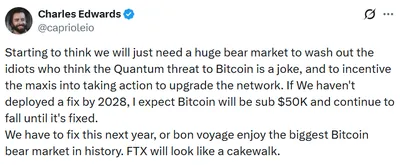
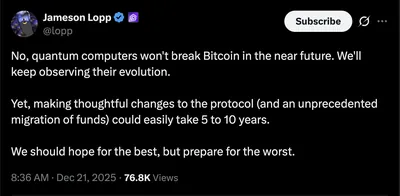
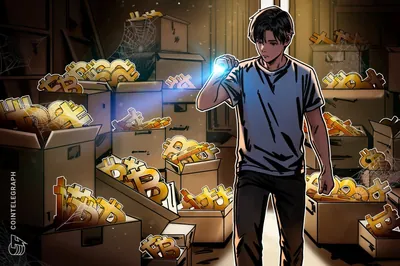
The possibility of quantum computers hacking Bitcoin, especially Satoshi Nakamoto's legendary stash of 1 million BTC, has sparked ongoing debate in the crypto community. Concerns center on whether quantum technology could break the cryptographic security of older Bitcoin addresses and what impact this would have on the market and network.
Quantum Computing Threat to Bitcoin
Quantum computers, if powerful enough, could potentially derive private keys from public keys exposed on the blockchain. This risk mainly affects pay-to-public-key (P2PK) addresses, which include Satoshi Nakamoto's coins. Currently, about 4 million BTC are stored in such addresses, making them susceptible to future quantum attacks. When a wallet's full public key is revealed onchain, it becomes a target for quantum decryption, whereas newer wallet types that do not expose the full public key are considered more secure against this threat.
Community Debate and Market Implications
Discussions on social media have explored scenarios where a quantum computer hacks Satoshi's BTC and dumps them on the market, potentially causing a dramatic price crash. YouTuber Josh Otten suggested that Bitcoin's price could plummet if such an event occurred. However, long-term holder Willy Woo argued that many experienced Bitcoin users would buy during the crash, helping the network recover. According to Woo, most coins are not immediately vulnerable, so the overall network would likely survive even a significant quantum-related sell-off. See also: Bitcoin Whales and Market Influence in 2025: Key Events and Insights
Expert Opinions on Quantum Threat Timeline
Adam Back, a prominent early Bitcoin adopter and co-founder of Blockstream, believes that Bitcoin will not face a genuine quantum threat for at least the next 20 to 40 years. He points out that post-quantum cryptography standards already exist, giving the community ample time to implement new protections before quantum computers become capable of breaking current encryption. Market analyst James Check also maintains that users will migrate to quantum-resistant addresses well before quantum computers pose a real risk. He adds that there is no realistic chance the community would agree to freeze Satoshi's coins in anticipation of a quantum hack.
Future of Bitcoin Security Against Quantum Attacks
The security of Bitcoin wallets depends on their type. Older P2PK addresses are more vulnerable, while newer formats offer greater resistance to quantum attacks by not exposing full public keys. The idea of freezing Satoshi's coins before a quantum hack is widely dismissed within the community. Instead, experts expect that technological adaptation and migration to quantum-resistant wallets will protect the majority of Bitcoin holdings as quantum computing advances. See also: UK to Regulate Crypto by 2027: Quantum Risks and Bitcoin Cycle Shifts
Why This Matters
For miners operating in Russia with anywhere from a single device to a large farm, understanding the quantum threat is crucial for long-term planning. While the immediate risk is low, the debate highlights the importance of wallet security and staying informed about cryptographic standards. A sudden quantum attack could temporarily disrupt the market, but the network's resilience and planned upgrades should help maintain stability.
What Should Miners Do?
- Keep track of developments in quantum computing and Bitcoin security.
- Use modern wallet addresses that do not expose full public keys onchain.
- Plan to migrate funds to quantum-resistant addresses as new standards are adopted.
- Stay updated on community discussions and expert opinions regarding quantum threats.