Michael Saylor, the co-founder of Bitcoin treasury company Strategy, warned that the network’s biggest threat comes from what he called “ambitious opportunists” who push through protocol changes. His statement ignited online debate within the Bitcoin community, centring on whether the protocol should be tightly guarded or opened for broader features. The discussion touches on non-monetary use cases such as NFTs and onchain images, and has revived conversations about temporary measures like BIP-110.
Michael Saylor's Warning on Bitcoin Protocol Changes
Saylor argued that major protocol changes should be rare and carefully considered, positioning opportunistic changes as a core risk to the network’s stability. That framing reflects a long-standing argument among Bitcoiners about whether to prioritise immutability over added functionality. For readers who want background on Saylor’s broader stance toward Bitcoin as an asset rather than money, see Saylor's thesis, which discusses his views in more detail.
Community Reactions to Saylor's Comments
The post prompted a range of responses from prominent figures and service providers, showing the split in priorities across the ecosystem. Key reactions include:
- Justin Bechler said Saylor’s remarks were aimed at developers promoting non-monetary use cases such as NFTs and onchain images.
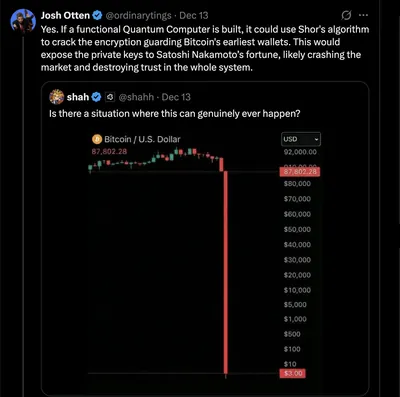
- Investor Fred Krueger countered that the greatest risk to Bitcoin is quantum computing, shifting attention to cryptographic threats.
- Mert Mumtaz, CEO of RPC provider Helius, publicly disagreed with Saylor’s characterisation, signalling dissent from some infrastructure providers.
Bitcoin Improvement Proposal 110 (BIP-110)
Part of the debate has focused on BIP-110, described as a temporary soft fork intended to filter non-monetary data from the ledger. The proposal and related conversations have been mentioned alongside the ongoing spam wars that put non-monetary data into blocks. These discussions underscore tensions between those who want to limit block contents and those who support more flexible onchain use.
Quantum Threat Debate in the Bitcoin Community
Separately, the community continues to argue over the significance and timing of quantum risks. Nic Carter has repeatedly warned that the protocol needs to move toward post-quantum standards, while Adam Back of Blockstream called Carter’s claims "uninformed." Market analyst James Checks added that concerns about quantum computing are not what’s driving recent market movements, attributing the downturn to long-term holders selling.
Why this matters
For miners, the debate matters because it concerns who decides what the Bitcoin protocol allows and how changes are introduced. A community leaning toward strict ossification aims to keep the protocol narrowly focused, while proponents of expanded features seek broader onchain functionality; either path affects software, node behaviour and the ecosystem of services miners rely on.
At the same time, discussion of BIP-110 and the spam wars signals active attempts to control non-monetary data onchain, which can influence developer priorities and network policy. The quantum debate highlights a separate set of technical priorities — some participants want faster movement toward post-quantum approaches, while others downplay the immediacy of that threat.
What to do?
If you run between one and a thousand mining devices in Russia, practical steps can help you stay prepared without changing your operations immediately. Keep your node and mining software updated and follow release notes from your software providers, since updates reflect developer decisions about protocol rules and compatibility. Monitor developer discussions and proposals so you know if measures like BIP-110 gain traction and what they would mean for node policy and block contents.
- Follow official developer channels and proposal repositories to track BIP-110 and related debates.
- Watch for announcements about quantum-resistant wallet addresses and post-quantum standards, as these technical areas are under discussion.
- Maintain secure backups of keys and node configurations, and test restores periodically to avoid interruptions regardless of protocol debates.
- Stay informed about market and community commentary, but base operational changes on confirmed protocol updates rather than early rhetoric.
Further reading
For more on how the ecosystem is preparing for cryptographic risks, see coverage of broader industry responses to quantum concerns in quantum preparations. For additional context on Saylor’s views and their implications, revisit Saylor's thesis.