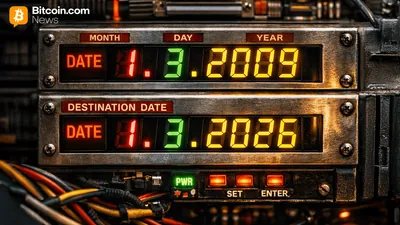
On January 10, 2009 Hal Finney posted a short message saying he was "Running Bitcoin," marking one of the earliest public confirmations that the Bitcoin node software was being used outside its creator. That post has become a touchstone in Bitcoin history and is widely remembered each year by the community.
Who Was Hal Finney?
Hal Finney was a computer scientist and cryptographer who engaged with early digital-cash and cypherpunk communities and responded quickly to Satoshi Nakamoto’s Bitcoin whitepaper. He was born on May 4, 1956 and later became known as an early Bitcoin pioneer who ran the software and experimented with the network firsthand.
The Historic 2009 Bitcoin Post
Finney’s January 10, 2009 post is short but historically important: he announced he was "Running Bitcoin," indicating that the node software was active beyond its author. The message is now treated as a core piece of Bitcoin lore because it documents the protocol’s first days and shows early, real-world engagement with Satoshi’s code.
Hal Finney and the First Bitcoin Transaction
Finney was the recipient of the first Bitcoin transaction on the network. According to the preserved account, Satoshi Nakamoto sent Finney 10 BTC, and that transfer is frequently cited when recounting Bitcoin’s beginnings. The source notes those 10 BTC are worth over $900,500 at present-day prices, which is often used to illustrate how early activity has grown in monetary terms.
The Speculation: Is Hal Finney Satoshi Nakamoto?
Because Finney ran the software early, received the first BTC, and had published work in cryptography, some community members have speculated he might be Satoshi Nakamoto. That debate has continued in public discussions and media portrayals.
At the same time, counterarguments have been presented. In 2023 Jameson Lopp published evidence casting doubt on Finney being Satoshi, and in 2024 an HBO documentary titled Money Electric: The Bitcoin Mystery claimed to have identified Nakamoto, which reignited discussion. Developers such as Laszlo Hanyecz have also noted details—like claims about Satoshi’s familiarity with certain operating systems—that factor into the conversation, since Finney and his wife reportedly used Mac OS machines.
Legacy and Remembering Hal Finney
Finney’s work and early participation left a lasting imprint on Bitcoin’s origin story, and the community marks anniversaries of his 2009 post as a way to remember those first steps. He died in 2014 from amyotrophic lateral sclerosis (ALS) at age 58, and his technical contributions and early interactions with Satoshi remain central to how people tell Bitcoin’s origin story.
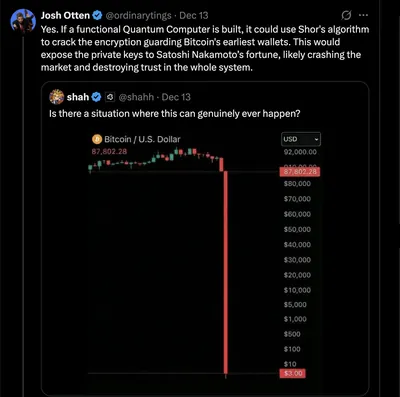
Stories about early coins and their later movement are still part of Bitcoin’s lore; for examples of legacy outputs moving after many years, see the report about a sleeping miner and the piece on 50 BTC from 2010. For broader, longer-term technical concerns, readers may also consult an analysis of the quantum threat.
Why this matters
For miners, whether you run a handful of machines or many, Finney’s post is a reminder of Bitcoin’s grassroots technical origins and the community attention that early activity still attracts. Early transactions and messages are part of public blockchain history, and they can resurface in media or community debates, drawing scrutiny and renewed interest.
That scrutiny does not directly change how mining hardware operates, but it can influence public narratives, collector interest in historical coins, and occasional media coverage that reaches broader audiences. Being aware of these narratives helps miners understand why small historical events sometimes get amplified.
What to do?
If you mine in Russia and manage from one to a thousand devices, focus on practical, simple steps: keep your node and wallet software updated, secure your private keys, and monitor your rigs for stable operation and power efficiency. These actions protect your earnings and reduce the chance that unrelated community debates will affect your day-to-day work.
Also, keep an eye on public discussions about early Bitcoin history and technical risks, and consult reliable technical sources before acting on headlines. If you want reading on legacy-chain movements or long-term threats, check the linked articles above for more context.
Further reading
To learn more about legacy outputs and historical events that can reappear in the news, see the linked reports on older coin movements and long-term technical concerns.