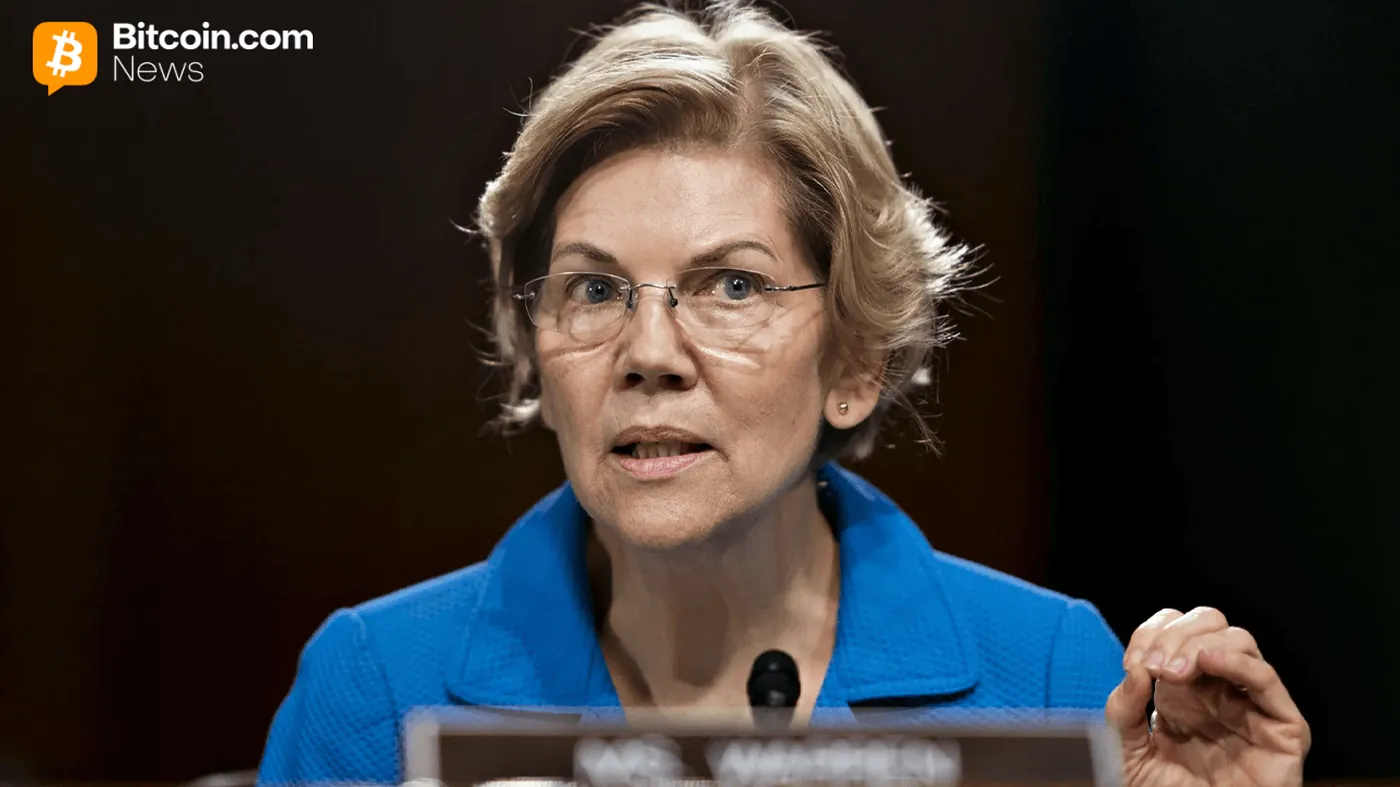
Senator Elizabeth Warren has attached 38 amendments to the Digital Asset Market Clarity Act, a move that has provoked strong reactions across the crypto community. Industry observers highlighted a package of changes that, they say, would narrow developer protections and expand anti‑money‑laundering (AML) obligations around decentralized finance interfaces.
Elizabeth Warren’s 38 Amendments to the Clarity Act
The amendments were called out publicly by Alex Thorn, Galaxy Digital’s head of firmwide research, who noted the large number of changes Warren filed to the market‑structure bill. Thorn’s summary pointed to several concrete measures that industry participants consider significant for developers, intermediaries and compliance regimes.
The main points flagged by critics include:
- Removing or weakening developer protections that currently shield some software activity from regulation.
- Increasing sanctions‑compliance obligations and related government powers to address illicit activity.
- Expanding AML obligations for DeFi interfaces and front ends that connect users to protocols.
Criticism from the Crypto Community
Many in the digital‑asset community reacted sharply on social media, arguing the amendments would entrench the role of traditional banks rather than support open innovation. Commenters also referenced Warren’s past political positioning, including her statement that she was “building an Anti‑Crypto Army,” as evidence of longstanding opposition to parts of the industry.
The debate drew responses from lawmakers as well. Wyoming Senator Cynthia Lummis said she was "deeply disappointed" by parts of the response from the industry but added she was committed to taking feedback and partnering with the sector to "deliver a product that helps them thrive." This public exchange underlines the political dimension of how the Clarity Act is being shaped.
Broader Implications for U.S. Crypto Policy
The controversy highlights an ongoing tension in U.S. debates over crypto: how to balance rules intended for consumer protection and law enforcement with preserving space for software developers and decentralized services. Critics warn that some changes would tilt the framework toward TradFi interests and away from self‑custody and developer rights.
For readers who want more on the bill’s legislative progress and its potential market effects, see reporting on the CLARITY Act progress and separate coverage of the bill’s institutional investments angle. Together these pieces provide additional context on which interests are influencing the debate and how the Clarity Act may evolve.
Why this matters
If you operate mining equipment in Russia and manage between one and a thousand devices, the immediate technical operation of rigs is not directly addressed by the amendments themselves. Still, the package targets rules around custody, developer protections and AML that shape the broader crypto ecosystem — the exchanges, wallets and services miners depend on to sell, custody or convert rewards.
Changes that affect exchanges, custodial services or DeFi interfaces can indirectly influence fees, required verification procedures and which services remain available in a given jurisdiction. For that reason, industry rule‑making in the United States can have knock‑on effects for service availability and compliance requirements worldwide.
What to do?
Practical steps for small and mid‑size miners to stay prepared focus on custody, information and simple compliance hygiene. The goal is to avoid disruption if service providers adjust their offers or compliance posture in response to evolving U.S. rules.
- Keep funds and keys secure: prefer non‑custodial wallets for holdings you control, and keep backups of private keys in a safe location.
- Monitor service providers: track announcements from exchanges, custodians and major wallet providers about AML/KYC or access changes that could affect withdrawals and fiat conversions.
- Document operations and invoices: maintain clear records of mined coins and any sales to simplify interactions with exchanges or tax/compliance services if requested.
- Follow reputable reporting: subscribe to a few reliable crypto‑policy updates so you notice material regulatory shifts that might influence where you trade or store assets.
Bottom line
Warren’s 38 amendments have sharpened an already heated debate over how much rule‑making should prioritize traditional financial institutions versus protecting developer freedom and decentralized models. For miners, the immediate tasks are practical: secure custody practices, keep records, and watch for service changes tied to regulatory developments.
FAQ
Q: Why is Elizabeth Warren being criticized?
A: Critics say the 38 amendments she filed would tighten controls on crypto, remove developer protections and increase AML obligations, which some argue favors traditional banks.
Q: Who flagged the amendments publicly?
A: Alex Thorn, Galaxy Digital’s head of firmwide research, highlighted the scope of the changes and summarized key provisions.
Q: How did lawmakers react?
A: Responses have been mixed; for example, Senator Cynthia Lummis said she was deeply disappointed but committed to working with the industry to produce a workable outcome.