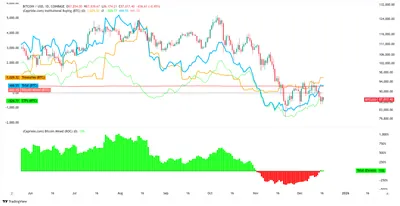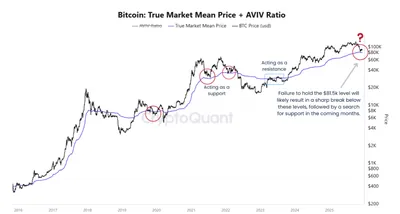
The Coinbase negative premium has widened to -$57, according to CryptoQuant, a move that market watchers interpret as a clear sign of weakening U.S. institutional demand. This premium measures how Bitcoin is priced on Coinbase (and Coinbase Pro) compared with major global exchanges such as Binance, and a negative value means BTC is trading at a discount on Coinbase. For anyone tracking Bitcoin’s momentum, the -$57 reading is an unambiguous signal that selling pressure from U.S. entities currently outweighs buying pressure.
What happened with the Coinbase negative premium?
CryptoQuant reported the premium widening to -$57, marking a notable divergence between U.S. and global exchange prices for Bitcoin. In practice, that means Coinbase prices are lower than on other major venues, which points to elevated selling activity on the U.S.-focused platform. The core conclusion from the reporting is that U.S. institutional appetite has softened, contributing to the observed discount on Coinbase.
What is the Coinbase negative premium?
The Coinbase negative premium is the price difference for Bitcoin between Coinbase/Coinbase Pro and other major global exchanges like Binance. When the metric is negative, BTC trades cheaper on Coinbase; when positive, Coinbase prices are higher than elsewhere. This premium is calculated in real time from live order-book data and is tracked continuously by analytics platforms such as CryptoQuant.
Why is U.S. institutional demand weakening?
The reporting attributes the widening premium to a combination of factors that have pushed institutional buyers to the sidelines, creating what analysts describe as a "perfect storm." Taken together, these conditions suggest institutions are in an exit phase, preferring liquidity over exposure and increasing net selling on U.S. venues. That dynamic directly contributes to the negative premium observed on Coinbase.
What this means for Bitcoin's near-term price trajectory
A sustained negative Coinbase premium creates a headwind for Bitcoin’s price because institutional capital in the U.S. typically moves larger volumes than retail. The analysis concludes that upward momentum will likely remain limited until the premium returns to positive territory, since institutional buying is often a key driver of sustained rallies. Retail buying or demand from other regions can provide some support, but may not fully offset weak institutional flows.
Why this matters (for miners in Russia)
If you run mining equipment, the -$57 Coinbase premium is useful as a sentiment indicator rather than a direct operational signal. Weak institutional demand can pressure price momentum, which affects miners’ revenue in fiat terms when converting BTC; however, the premium itself reflects exchange-level flows rather than mining fundamentals. Monitoring this metric helps you anticipate periods of weaker price action when planning power usage, payouts, or equipment upgrades.
What to do? (practical steps for miners)
- Adopt a defensive stance: consider spacing payouts or retaining a portion of mined BTC until momentum stabilizes, as the reporting suggests waiting for premium stabilization before expecting rallies.
- Monitor the premium in real time: use analytics sites like CryptoQuant to watch whether the premium narrows or turns positive, a key sign institutional money may be returning.
- Balance cash flow and exposure: factor in weaker institutional demand when budgeting for electricity, maintenance, or planned expansions, since retail support may not match institutional volumes.
How to monitor the premium and signals to watch
Track the Coinbase premium on analytics platforms such as CryptoQuant, which report the metric continuously from live order-book data. The primary signal to watch is the premium narrowing or turning positive — that narrowing is the first sign institutional money may be returning and that upward momentum could resume. For confirmation, combine the premium with other on-chain and market indicators before changing position sizes.
Bottom line and brief FAQs
The -$57 Coinbase negative premium, as reported by CryptoQuant, clearly signals weak U.S. institutional demand and creates a headwind for Bitcoin’s price. Traders and miners should treat this as a cautionary indicator, adopting a more defensive stance or waiting for the premium to stabilize. Monitoring when the premium narrows or turns positive will be the earliest sign that institutional flows are coming back.
Related reading: For more context on institutional flows and CryptoQuant analysis, see CryptoQuant slowdown and reports on ETF outflows. You can also review broader market volume trends in our piece on spot trading volumes.
FAQs
What is the Coinbase Premium? The Coinbase Premium is the price difference for Bitcoin between Coinbase Pro (favored by U.S. institutions) and other major global exchanges; a negative value means BTC is cheaper on Coinbase.
Why does a negative premium matter? A negative premium typically signals that selling pressure from U.S. entities outweighs buying pressure, indicating weaker institutional demand and a potential headwind for price momentum.
Where can I track the premium? The premium is calculated from live order-book data and tracked continuously by analytics platforms such as CryptoQuant.
Disclaimer: This is not trading advice. The information summarizes the reported premium and its interpreted implications.