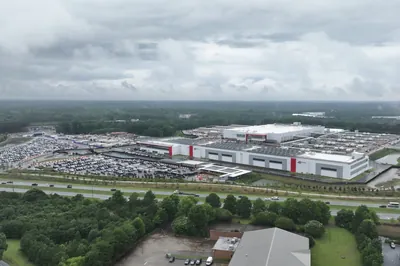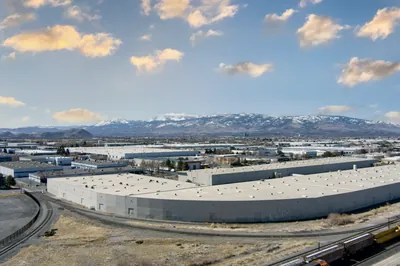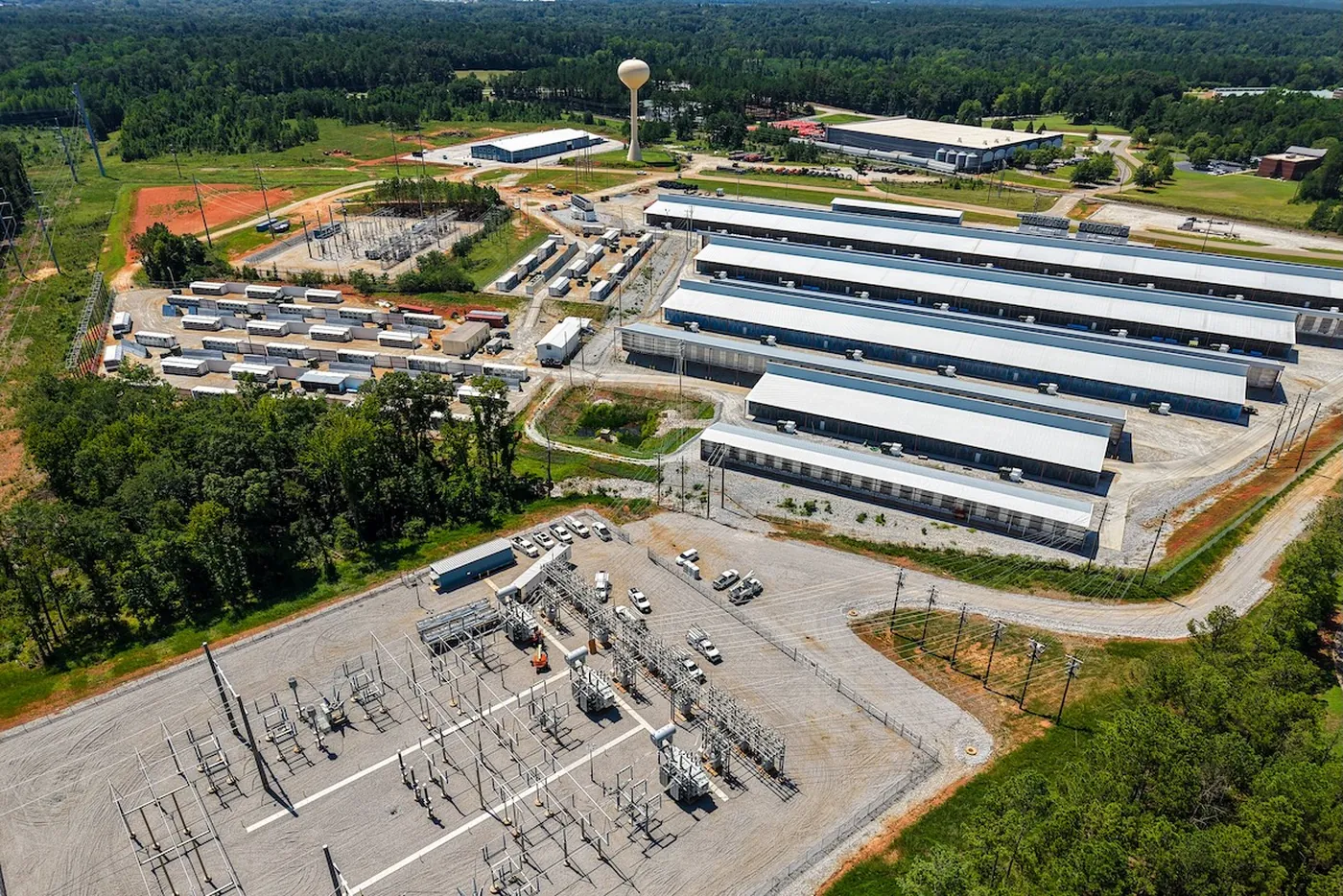
CleanSpark has entered definitive agreements to acquire up to 447 acres in Brazoria County, Texas, for a new data center campus aimed at supporting large-scale compute workloads. The site is being planned to provide transmission-level power for up to 300 megawatts of demand initially, with the option to expand to 600 megawatts over time.
CleanSpark's Land Acquisition in Brazoria County
The acquisition covers as much as 447 acres in Brazoria County and is intended to host a large-scale data center campus engineered for high-capacity power delivery. CleanSpark said the project will have access to transmission-level power sufficient for up to 300 MW of demand at the start, with room on the site to grow to 600 MW if required.
The transaction also includes a long-term agreement to extend transmission facilities, which the company described as a key step for securing high-capacity power on Texas’s constrained grid. CleanSpark did not disclose the financial or other commercial terms of the deal.
Timeline and Approvals
CleanSpark expects the Brazoria County deal to close in the first quarter of 2026, but the transaction remains subject to utility and property-related approvals. The company has framed the transmission agreement and approval process as important milestones before the site can begin delivering the planned capacity.
Expansion in the Houston Region
This Brazoria County project is CleanSpark’s second major development initiative in the greater Houston area, following an earlier site in nearby Austin County. Together, the two Texas locations provide the company with more than 890 MW of aggregate potential utility capacity in the region.
The combined initiatives bring CleanSpark close to a gigawatt of potential capacity in the Houston area, according to Jeff Thomas, the company’s senior vice president of AI data centers. For broader context on regional grid and demand dynamics, see AI‑boom and ERCOT.
Focus on AI and High-Performance Computing
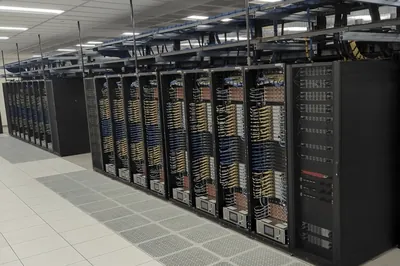
CleanSpark said the Texas sites are intended to support campuses designed for artificial intelligence and high-performance computing workloads, reflecting the company’s move beyond bitcoin-only operations. The company also noted the flexibility to deploy infrastructure both in front of and behind the meter to serve a range of large compute customers in the ERCOT market.
CleanSpark has been advancing its Texas portfolio while discussing potential co-location and compute partners for large, scalable campuses, which aligns with the company’s broader infrastructure strategy. For a view on the company’s recent corporate direction, see CleanSpark financial results.
Future Plans and Partnerships
Beyond site development, CleanSpark said it is in discussions with potential co-location and compute partners that seek large, scalable campuses. The company has emphasized AI and HPC as part of its longer-term infrastructure strategy, in parallel with its bitcoin mining operations.
Why this matters
For miners following industry moves, the Brazoria County deal signals CleanSpark’s deeper commitment to AI and HPC alongside mining, and it increases the company’s potential regional capacity in Texas. While the announcement concerns U.S. development, tracking such shifts helps understand where large compute demand and transmission investments are being directed.
For miners in Russia, the direct operational impact of this specific deal is likely limited, but the broader trend—miners and infrastructure operators expanding into AI/HPC and securing transmission agreements—can influence global demand patterns and partner opportunities over time.
What to do?
If you run one to a few hundred devices, no immediate action is required: the news does not change electricity rules or approvals in your location. Keep monitoring company announcements only if you are evaluating partnerships, equipment sales, or co-location opportunities tied to large-scale U.S. projects.
If you manage a larger setup or consider international partnerships, document your power needs and reliability expectations so you can compare them against offers from co-location or compute partners pursuing scalable campuses. Staying informed about regional transmission developments in major markets can help when assessing future expansion or partnership options.