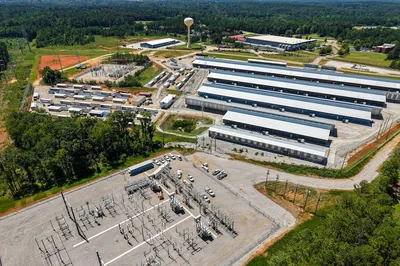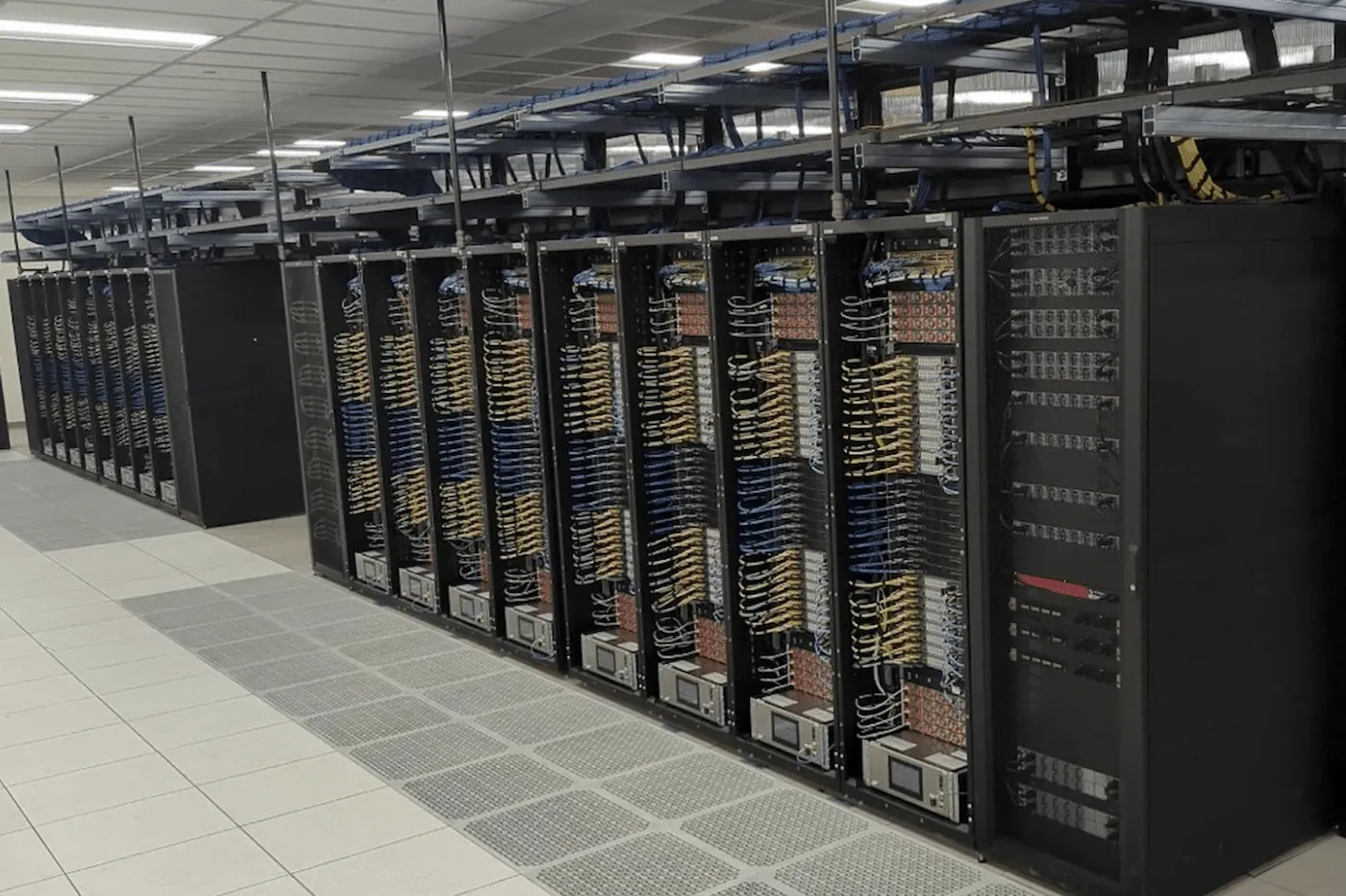
CoreWeave has brought more than 16,000 GPUs online at Core Scientific’s Denton, Texas facility to support workloads for OpenAI. This rollout follows earlier delays tied to construction problems and weather disruptions at the site, and company communications described the deployment as happening under an "intense spotlight." Internal reporting says the installation accelerated late in the year, with more than 16,000 GPUs in place by the end of December and a single day that saw over 2,000 units brought online.
CoreWeave’s GPU Deployment in Texas
The Denton facility now hosts a large volume of deployed GPUs intended to serve OpenAI’s capacity needs. Company messages reviewed in the report noted setbacks from partners and other external factors that affected the timetable, but the recent push completed a substantial share of the planned installs by year-end. The deployment is part of a broader effort to make the site ready for heavy AI workloads for OpenAI.
Background on the Delayed Project
CoreWeave has acknowledged that the project fell behind schedule because of construction issues tied to a third-party developer, and the buildout also faced weather-related disruption at Core Scientific’s site. Those issues left the site with only a few racks delivered as of November, which required adjusted timelines and focused work to accelerate installs in December. For more detail on the earlier hold-ups, see reporting on the construction delays in Texas.
Core Scientific’s Investment and Conversion
Core Scientific previously disclosed plans to invest roughly $6.1 billion to convert the Denton location from a bitcoin mining facility into an AI-focused data center campus. That repurposing moves the site away from mining hardware toward infrastructure designed for dense GPU deployments and AI workloads. The Denton buildout is one element of CoreWeave’s wider expansion tied to serving a major AI customer.
OpenAI’s Contracts with CoreWeave
The relationship between CoreWeave and OpenAI includes multi-billion-dollar capacity agreements, and OpenAI expanded its commitments so the total value of its contracts reached about $22.4 billion as of September 2025. CoreWeave said OpenAI agreed to shift contract start dates, with no revenue ultimately lost as a result of the delays. Those contract adjustments helped align deployment timelines with the site’s readiness.
Why this matters
For a small-to-medium miner operating in Russia with between 1 and 1,000 devices, the Denton deployment is mainly a sign of sustained demand for GPUs in large AI projects rather than a direct operational change. The report documents schedule slips, vendor-related setbacks and later acceleration, which illustrate how installations can be vulnerable to construction and supply-chain issues. If you rely on third-party vendors or cloud capacity, contract start-date shifts and delivery timing are the concrete risks reflected in this story.
What to do?
Below are practical steps you can take to reduce risk from similar delays and to adapt to changing supplier timelines.
- Review contracts and start dates: confirm force majeure and change-order clauses and keep written records of any agreed shifts in timing.
- Check supplier delivery windows: contact GPU and rack vendors for updated lead times and get confirmations in writing where possible.
- Prioritize uptime and efficiency: audit current rigs for power and cooling efficiency to reduce dependence on new hardware arrivals.
- Plan for staging and installation: reserve local space and technicians in advance so you can speed up installs if equipment arrives in batches.
- Monitor related local developments, including grid and permitting issues, that can affect site readiness and operating costs; reporting on the effect on Texas grid may provide useful context for infrastructure changes.