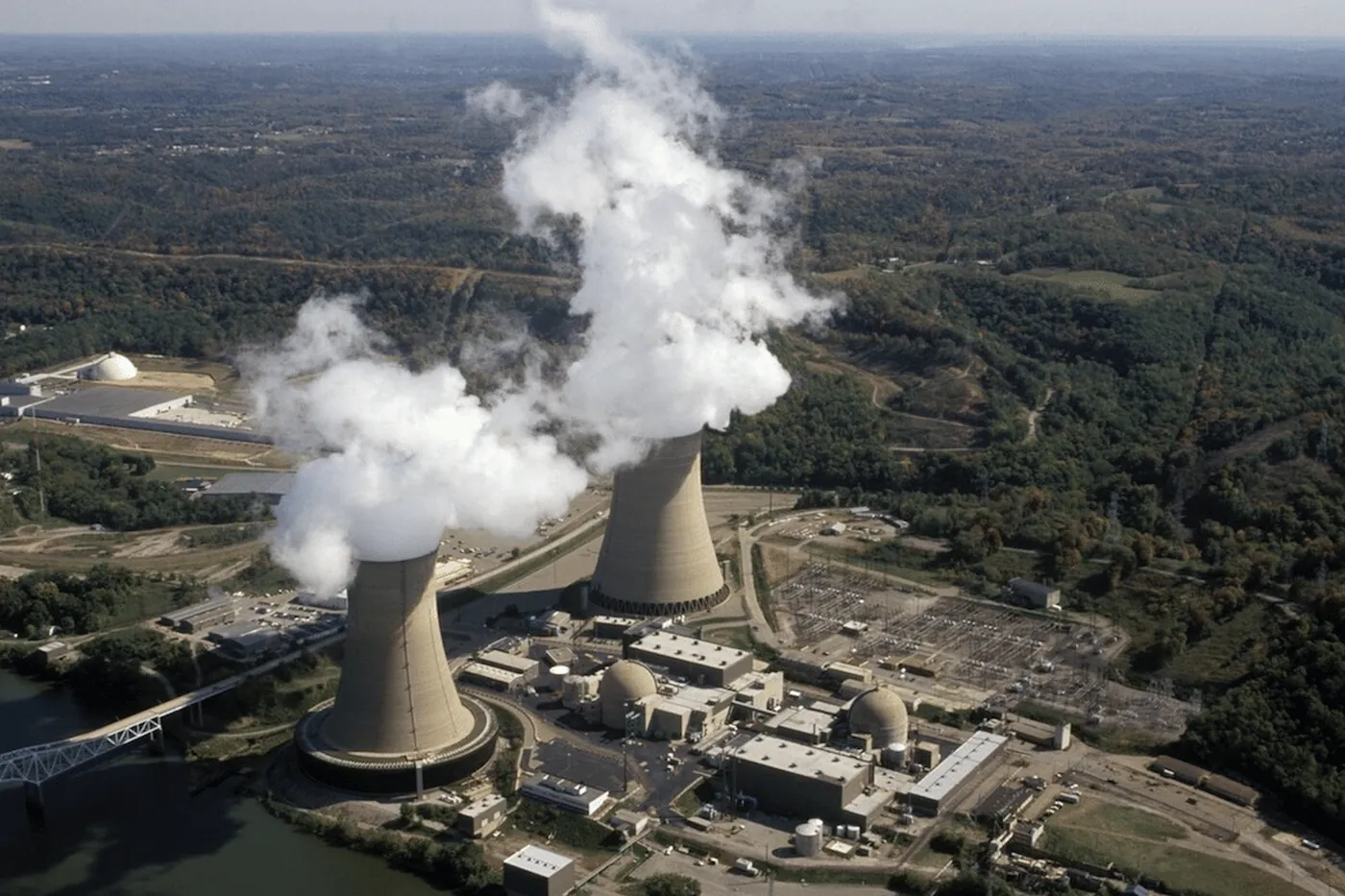
Vistra has signed 20-year power purchase agreements (PPAs) with Meta to supply a total of 2,609 megawatts of energy and capacity from three nuclear facilities in the PJM market. The supply package includes output from existing operations as well as future capacity tied to planned uprates at the Perry and Davis-Besse plants in Ohio and the Beaver Valley plant in Pennsylvania. Vistra expects to begin delivering a portion of the operating energy and capacity in late 2026, with full delivery of the operating portion by the end of 2027, and uprate-related power phased in later.
Overview of the Vistra-Meta Nuclear Power Deal
The PPAs run for 20 years and cover 2,609 megawatts from Vistra’s three nuclear facilities in the PJM market. The agreements combine currently operating output with additional capacity that depends on planned uprates at the sites. Meta said the deals will help finance expansions at the Ohio plants and extend the operating lives of those nuclear facilities.
Timeline for Energy Delivery
- Initial deliveries of operating energy and capacity are expected to begin in late 2026.
- Full delivery of the operating portion is planned by the end of 2027.
- Power from the uprates is expected to start around 2031, with full uprate delivery by the end of 2034.
Meta's AI Expansion and Energy Needs
Meta’s growing focus on compute-intensive AI workloads is a stated reason for securing long-term, reliable power, and the company has recently agreed to acquire Manus, a general AI agent application. Large, continuous power supplies are central to supporting expanded AI and data-center operations, which is why Meta pursued these long-term PPAs. Similar large-scale energy arrangements and data center projects have been reported elsewhere in the tech sector, for example NextEra and Google.
Financial and Operational Impact on Vistra
Vistra plans capital expenditures beginning in 2026 to support the uprates, with less than 20% of total spending projected to occur by the end of 2028. The company said these investments are expected to meet or exceed its publicly stated mid‑teens levered return target. At full delivery, Vistra estimates the PPAs will increase adjusted free cash flow before growth by approximately 8% to 10% from the operating portion, plus another 5% to 7% contribution from uprate capacity.
Broader Implications for Vistra and the Energy Sector
The agreements are meant to help finance expansions at the Ohio plants and extend the operating lives of the facilities, while Vistra continues to expand its generation portfolio. The company recently completed the acquisition of Cogentrix Energy Power Management, increasing its exposure to gas-fired and renewable assets and positioning its nuclear fleet as a source of long-duration, carbon-free power for large technology customers. Developments around PJM market rules and tariffs remain relevant to how such contracts interact with regional markets and grid operations; see coverage of recent PJM tariff issues for more context PJM tariffs.
Why this matters (short)
If you operate mining equipment, note that this deal is focused on U.S. nuclear plants and long-term supply contracts for a major tech customer. It secures large, steady volumes of baseload, carbon-free power for Meta’s needs and finances plant work that will keep those reactors operating longer. For most miners outside the U.S., the agreement does not change local grid arrangements directly, but it is one example of big consumers securing long-term, reliable capacity.
What to do (for a miner in Russia, 1–1,000 devices)
Keep practical priorities simple: monitor your local electricity tariffs and any changes in supply conditions from your utility or regional market operator, since these have the most immediate impact on mining costs. Maintain basic operational hygiene by checking cooling, firmware, and power settings to keep efficiency high and avoid avoidable outages, which are often the largest controllable cost.
- Review your electricity contract terms and notice periods so you can respond if tariffs or availability change.
- Ensure you have basic backup plans (UPS, scheduled shutdown procedures) to protect hardware during grid disturbances.
- Track industry news about large off-takers and regional market rules that can influence wholesale prices or capacity signals.