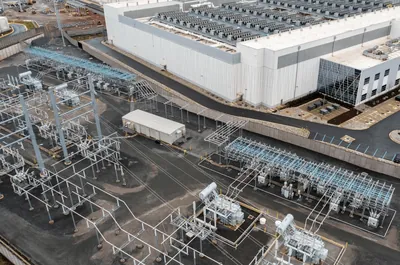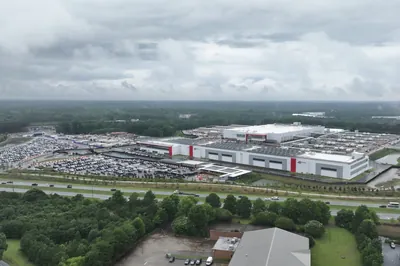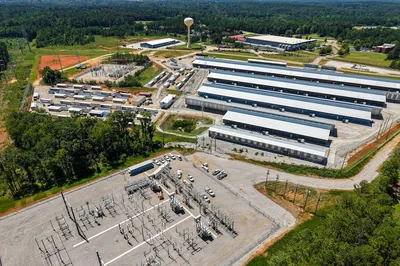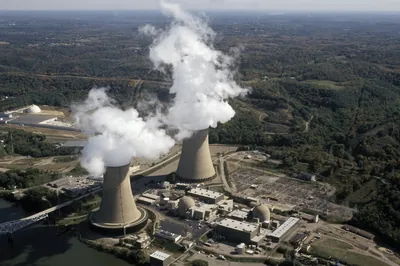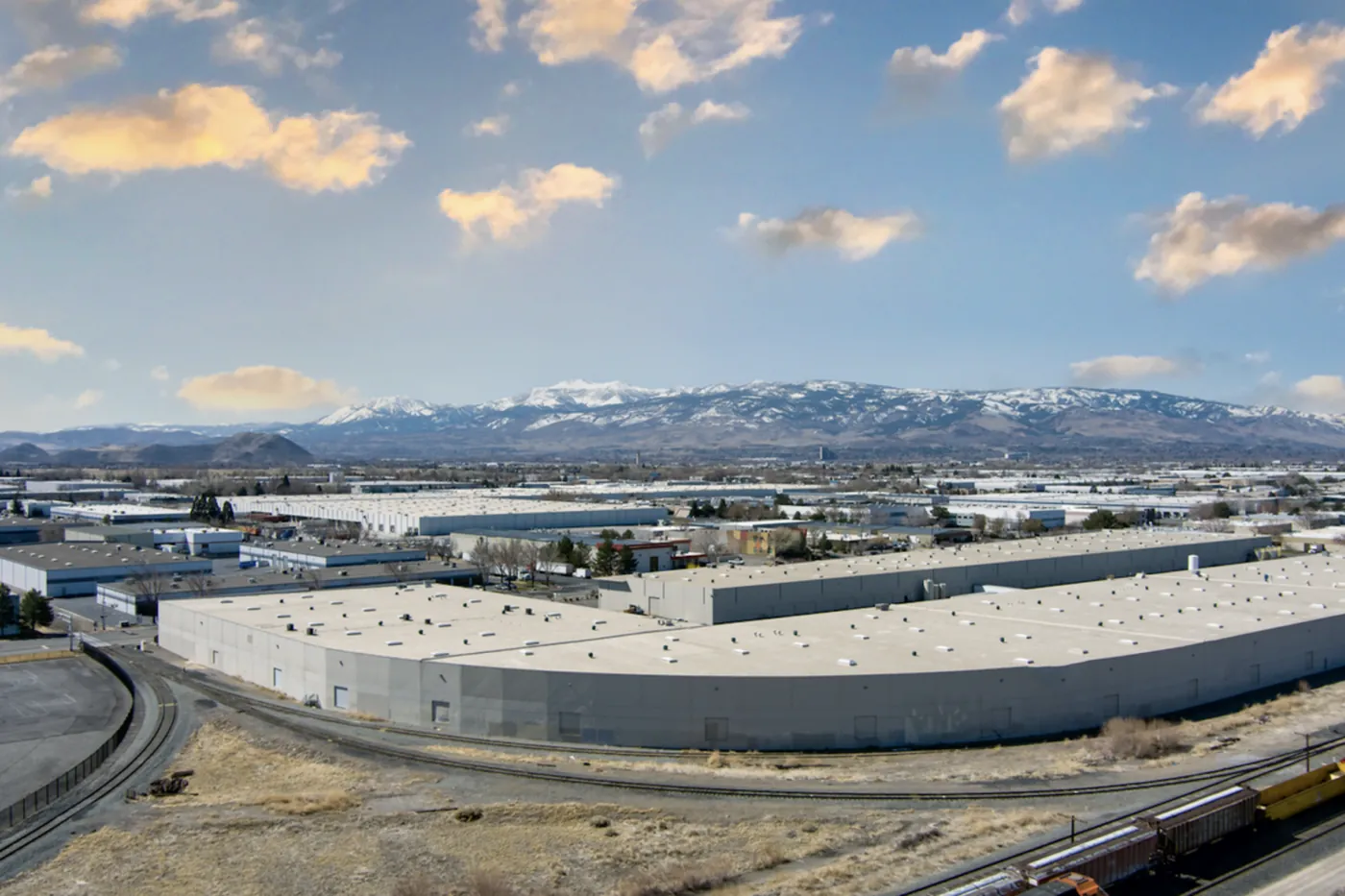
Microsoft unveiled a program called "Community-First AI Infrastructure" and pledged to pay electricity rates high enough that local residents do not see higher power bills because of large-scale AI data centers. The initiative responds to growing scrutiny over the energy and water needs of hyperscale facilities and says utilities and regulators should set rates that cover the full cost of new generation, transmission, and grid upgrades. Microsoft described this approach as a way to avoid passing infrastructure costs onto households while enabling continued AI growth.
Microsoft's New Initiative for AI Data Centers
The company said the initiative will ask utilities and state regulators to adopt rate structures that reflect the full system costs of serving large data centers, rather than spreading those costs across residential customers. Microsoft framed the pledge as part of a broader effort to keep communities from bearing the direct cost of new AI infrastructure, tying pricing decisions to fairness and local political realities.
Addressing Rising Energy Demands
Microsoft noted that rising AI-driven power needs are colliding with an aging transmission network and other constraints, and it said it will negotiate special rate arrangements with utilities and regulators to prevent households from absorbing those infrastructure costs. The company pointed to utility arrangements it has worked on in places such as Wyoming and Wisconsin as examples of insulating local ratepayers.
Beyond rate negotiations, Microsoft said it will continue contracting for new generation and funding grid upgrades when facilities require extra transmission or substation capacity; in the Midwest the company has contracted for 7.9 gigawatts of new electricity supply within the footprint of the Midcontinent Independent System Operator. The scale of potential demand growth is large: the International Energy Agency estimates U.S. data center electricity consumption could rise to roughly 640 terawatt-hours annually by 2035, up from about 200 today. For context on regulatory and tariff developments tied to data centers, see the discussion of tariff rules for data centers and how utilities are adapting in other projects like multi-gigawatt data centers, as well as recent approvals for utility capacity in regions such as Georgia Power approval.
Water Conservation and Infrastructure
Microsoft said the initiative addresses water use by aiming to replenish more water than its facilities consume and by shifting toward cooling designs that reduce or eliminate potable water needs. The company cited deployment of closed-loop liquid cooling systems in states such as Wisconsin and Georgia as part of that move away from traditional water-dependent cooling.
In addition to design changes, Microsoft pledged to fully fund water and wastewater infrastructure upgrades required to support its data centers, pointing to projects such as more than $25 million in water and sewer improvements near its Leesburg, Virginia campus as an example of that investment.
Community and Economic Impact
The initiative includes commitments to local job creation, workforce training, and community investment, with Microsoft noting that new data centers typically generate thousands of construction jobs and hundreds of permanent operations roles. The company also said it will pay full local property taxes rather than seeking abatements, positioning data centers as longer-term contributors to municipal budgets.
Why this matters
If you run mining hardware or small operations, the main practical point is how data-center economics are being framed: Microsoft is trying to ensure that infrastructure upgrades needed for large AI facilities are paid by the facilities themselves, not by local households. That approach can affect local rate-setting and public sentiment where big tech projects are proposed, and it highlights that companies are pairing power contracts with direct infrastructure investments and water commitments.
What to do?
For miners in any jurisdiction, monitor local utility rate decisions and rule changes, since regulatory approaches to large customers can change how costs are allocated between industrial and residential users. Also check local permitting or water-use rules and community responses near planned data centers, because infrastructure investments and tax policies can affect local energy planning and availability.
Finally, consider technical choices that reduce reliance on grid-constrained resources—such as efficient cooling and power management—and stay informed about how large providers negotiate power supply and infrastructure funding in regions where you operate or may expand.