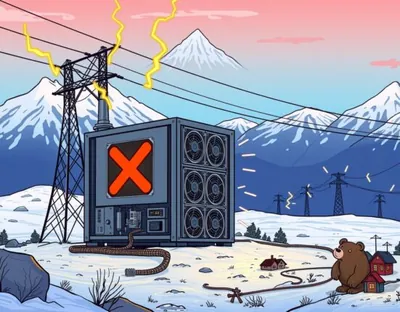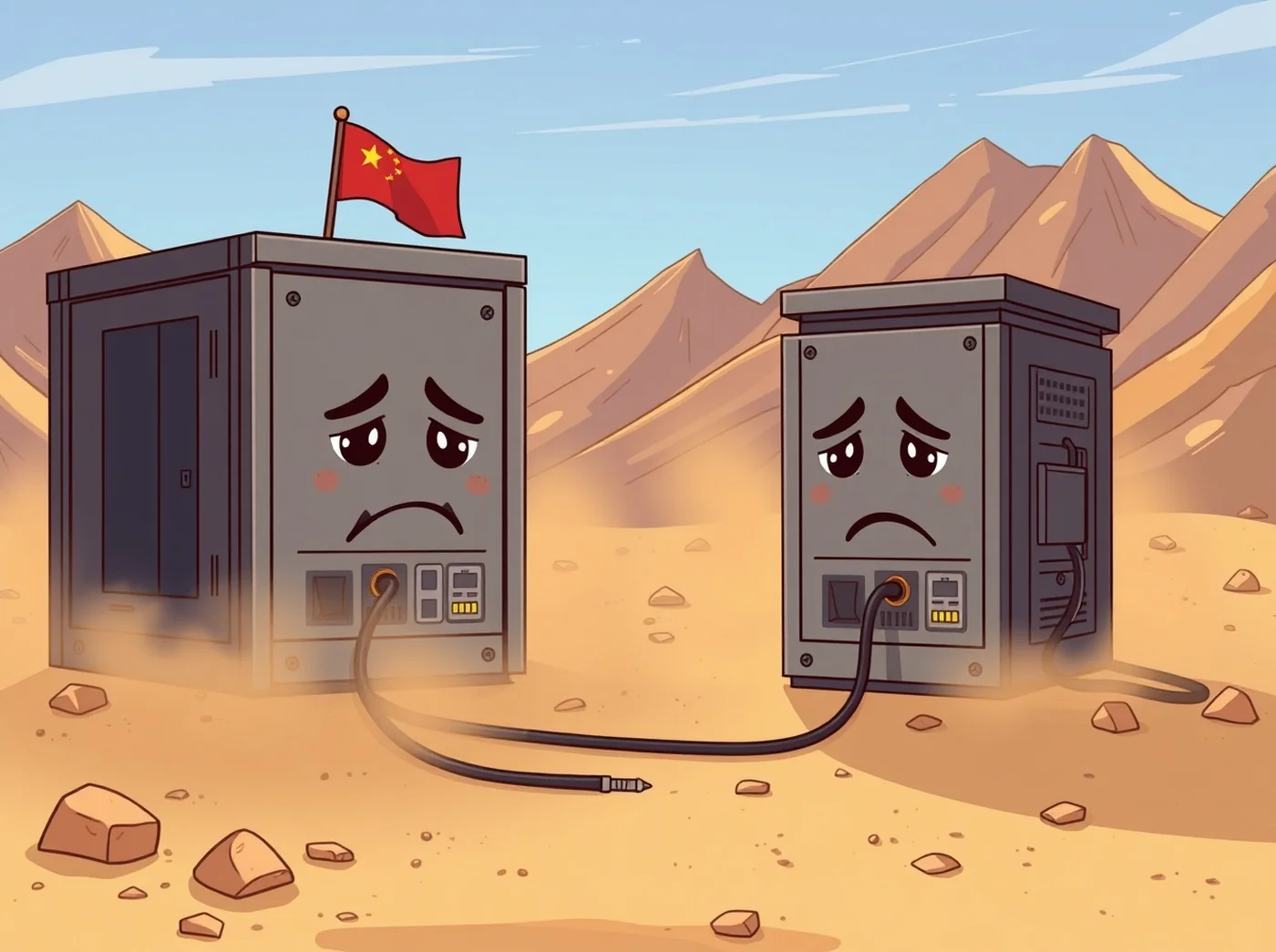
The Bitcoin network recently experienced an 8% decrease in its hashrate, a change that has drawn attention from the global cryptocurrency community. This drop is directly linked to the shutdown of mining operations in Xinjiang, a region that has played a significant role in Bitcoin mining.
Overview of Bitcoin Hashrate Drop
The hashrate, which measures the total computational power securing the Bitcoin network, is a key indicator of its health and security. A sudden 8% decline is notable and can influence how quickly and securely transactions are processed on the blockchain.
Causes of the Hashrate Decline
The primary cause of the recent hashrate drop was the shutdown of mining activities in Xinjiang. This region has been a major hub for Bitcoin mining, and changes in local policies or regulations can have immediate effects on the global network. When Xinjiang miners went offline, the overall hashrate fell, demonstrating the influence of regional mining centers on the entire Bitcoin ecosystem. See also: Bitcoin Hashrate Drops 10% After Mining Shutdown in Xinjiang
Implications for Bitcoin Network Security
The reduction in hashrate has raised concerns about the security of the Bitcoin network. A lower hashrate can make the network more vulnerable to certain risks, such as slower transaction validation and potential threats to network stability. These concerns highlight the importance of a geographically distributed mining infrastructure.
Future Outlook and Recovery
While the hashrate is expected to recover as mining operations resume or shift to other regions, this event underscores the need for the Bitcoin network to mitigate risks associated with regional shutdowns. Diversifying mining locations can help maintain network resilience and security in the face of local disruptions.
Why This Matters
For miners operating in Russia, the situation in Xinjiang illustrates how regional policy changes can have a global impact on Bitcoin mining and network security. Even if your operations are not directly affected, such events can influence transaction speeds, network fees, and overall trust in the system.
What Should Miners Do?
- Stay informed about global mining trends and regional policy changes that could affect the Bitcoin network.
- Consider the benefits of diversifying mining operations to reduce dependence on a single region.
- Monitor network performance and adjust mining strategies to respond to fluctuations in hashrate and potential changes in network security.