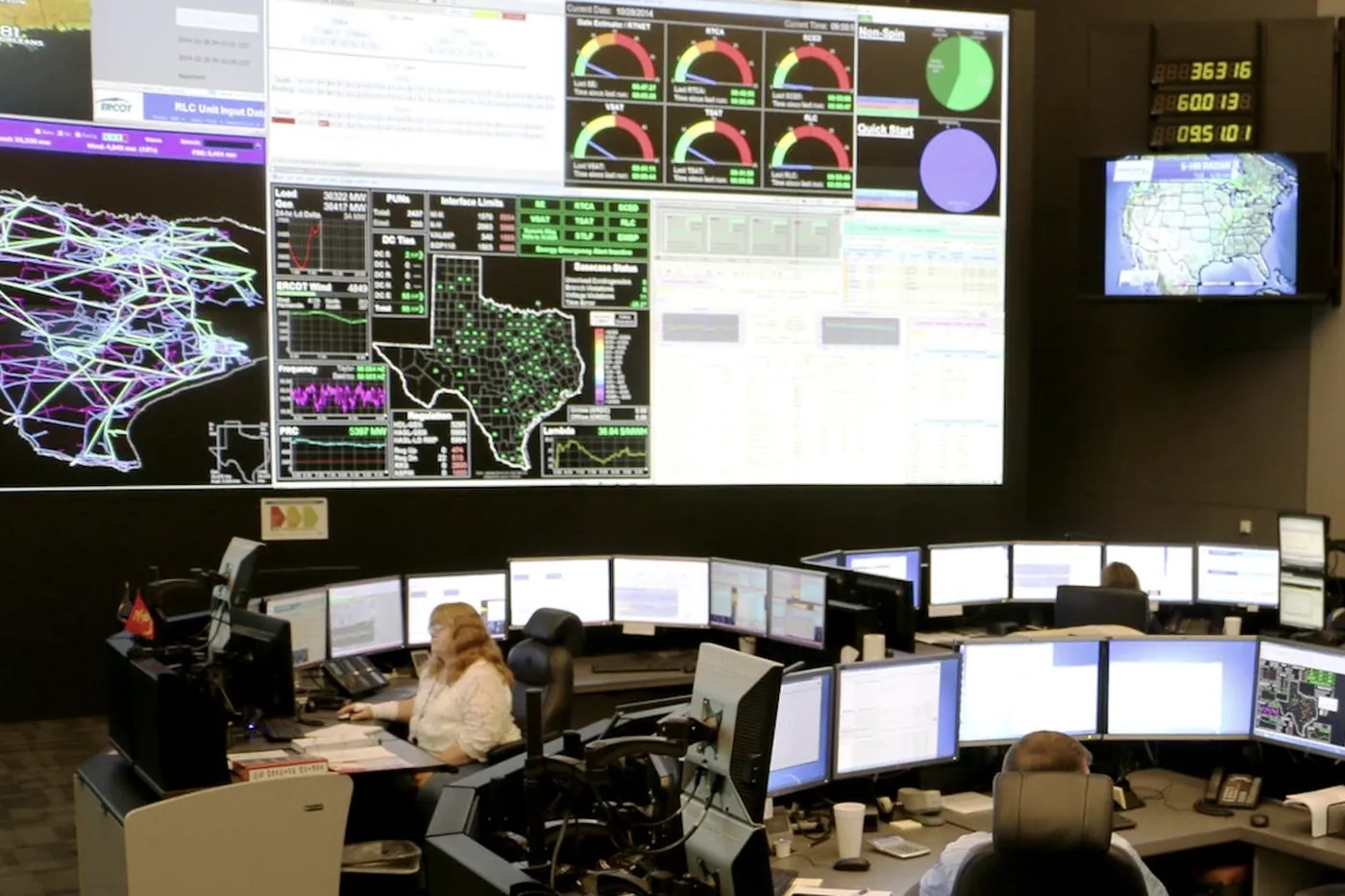
Major North American mining pools saw a sharp fall in connected hashrate as an Arctic blast pushed into large parts of the United States. Real-time data showed hashrate at FoundryUSA declined from a peak of nearly 340 EH/s to about 242 EH/s, while Luxor fell from roughly 45 EH/s to about 26 EH/s, a combined reduction of over 110 EH/s. Operators described these reductions as curtailment aimed at easing strain on regional power systems during sustained cold and higher demand.
Hashrate Decline in Major Mining Pools
FoundryUSA’s connected hashrate dropped from nearly 340 EH/s to about 242 EH/s, reflecting a sizable portion of North American capacity going offline. In the same period, Luxor’s hashrate moved down from roughly 45 EH/s to about 26 EH/s, indicating similar, coordinated pullbacks across pools. Combined, the two pools saw more than 110 EH/s of computing power taken offline, a figure that captures widespread curtailment among miners responding to the weather-driven demand spike.
Impact of Arctic Blast on Power Grids
The hashrate reductions coincided with a severe Arctic air mass that brought subfreezing temperatures, snow and ice to regions unaccustomed to prolonged winter extremes. Grid operators across several states issued conservation alerts as heating demand rose, and some large electricity users curtailed to ease pressure. In Texas, the grid operator ERCOT reported it had sufficient generation capacity to meet winter demand, a point operators cited while managing conservation notices; for broader context on Texas grid issues see ERCOT and Texas grid.
Demand Response Programs in Bitcoin Mining
Many bitcoin miners participate in demand response programs that let them reduce consumption quickly when the grid needs relief. These arrangements allow mining operations to sell electricity back to the grid or to avoid running during peak pricing periods, which is how large short-term drops in hashrate are typically achieved. The rapid curtailment seen across pools reflects that operational flexibility and the role miners can play in short-term grid balancing; for related industry trends see bitcoin mining 2026.
Why this matters
For individual miners, a coordinated curtailment across large pools can mean temporary drops in mined rewards and changes in pool share distribution, even if overall market conditions are unchanged. At the grid level, the event shows that mining loads can respond quickly when operators need to reduce demand, which can help avoid wider outages during extreme weather. Even if you mine from Russia, observing how North American operations manage demand response provides useful lessons about operational risk and grid interaction.
What to do?
If you run from one to a few hundred devices, monitor your pool status and pool notifications so you spot curtailment events quickly. Keep remote power controls and scripts ready to pause or resume rigs, and confirm recovery procedures so machines return to normal without manual intervention. If you are part of a larger operation, consider formalizing agreements for demand response or curtailment and document how you will resume operations after an event.
- Monitor pool dashboards and messages for hashrate and payout changes.
- Have remote shutdown/startup procedures tested and ready.
- Track electricity price signals and conservation alerts for your region.