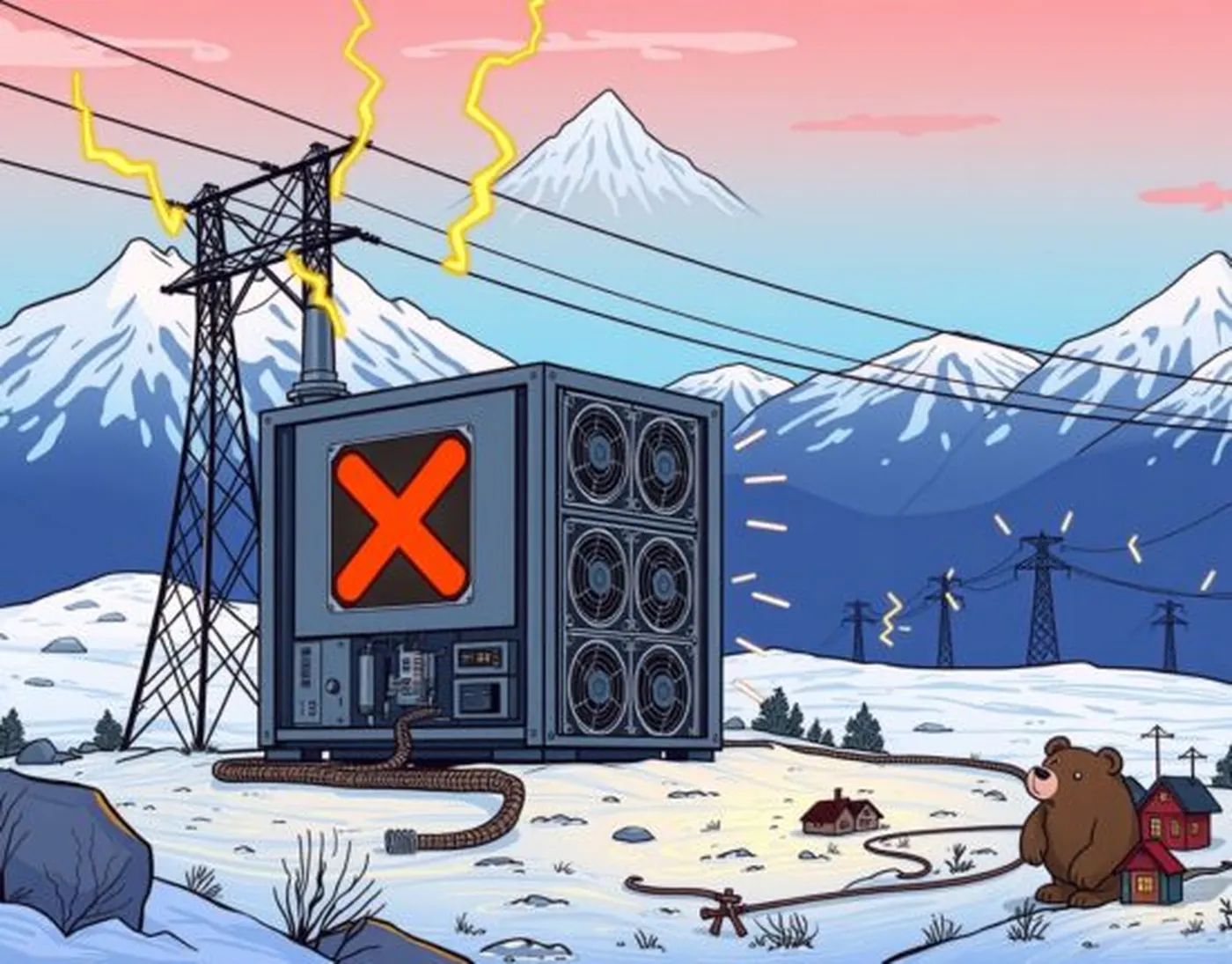
Russia has introduced a permanent ban on cryptocurrency mining as part of efforts to address the severe power crisis affecting the Siberian region. This decisive measure reflects the government's response to the strain that crypto mining activities place on the local energy infrastructure.
Overview of Russia's Cryptocurrency Mining Ban
The permanent ban on cryptocurrency mining in Russia marks a significant shift in the country's approach to digital currency operations. It specifically targets the Siberian region, where the power grid faces critical challenges. The government's decision aims to alleviate the pressure on energy resources by prohibiting mining activities that consume substantial electricity.
Reasons Behind the Ban
Cryptocurrency mining demands high energy consumption, which has exacerbated the power shortage in Siberia. The region's power grid struggles to meet the needs of both residential and industrial consumers, and mining operations have contributed to this imbalance. Consequently, the government has expressed concerns over the sustainability of energy use, prompting the ban to protect the stability of the power supply.
Implications of the Ban
The ban directly impacts cryptocurrency miners operating within Russia, forcing many to halt or relocate their operations. This development may also influence the broader cryptocurrency market by reducing mining activity in one of the world's notable mining regions. Miners must now navigate the challenges posed by regulatory changes and consider alternative strategies in response to the ban.
Future Outlook
Looking ahead, the Russian government may implement additional measures to address ongoing energy issues and ensure grid stability. The permanent ban on cryptocurrency mining could have lasting effects on both the energy sector and the country's role in the global cryptocurrency landscape. Miners and stakeholders will need to monitor these developments closely to adapt to the evolving regulatory environment.
Why This Matters
For miners in Russia, especially those with small to medium operations, the ban means a direct halt to mining activities in Siberia, which has been a significant hub due to its energy resources. This decision highlights the government's prioritization of energy stability over crypto mining profits. Understanding these changes is crucial for miners to assess their operational risks and plan accordingly.
What Should Miners Do?
- Evaluate the current mining setup and its compliance with new regulations.
- Consider relocating mining operations to regions outside the ban or to countries with more favorable policies.
- Stay informed about government announcements and potential support measures related to energy and mining.