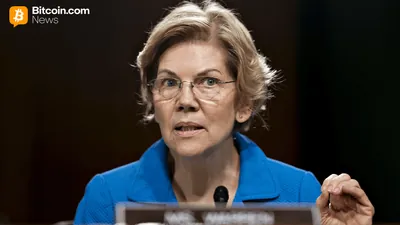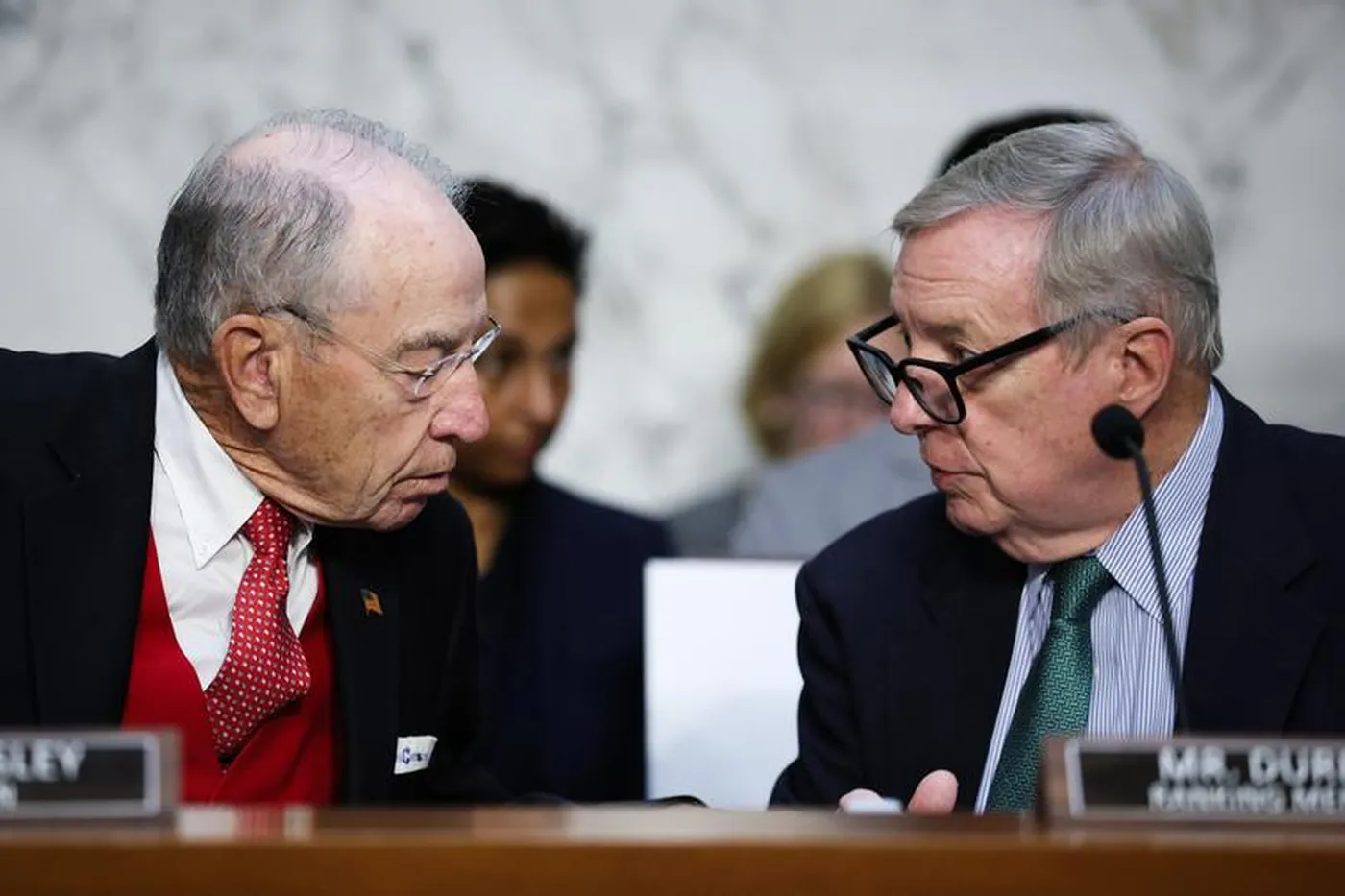
The chair and ranking member of the Senate Judiciary Committee told the Senate Banking Committee that provisions designed to shield crypto developers do not belong in the market structure bill. Senators Chuck Grassley and Dick Durbin said the Blockchain Regulatory Certainty Act would weaken federal money transmitter rules and should be excluded from the larger package.
Senators Oppose Crypto Developer Protections in Market Structure Bill
In a letter to the Banking Committee, the senators said Section 604 — which seeks to protect software developers from criminal liability when third parties misuse their products — would "weaken" federal laws governing unlicensed money transmitting businesses. They argued that language like the Blockchain Regulatory Certainty Act should not be folded into the market structure legislation because it reduces the government's ability to hold culpable actors accountable.
Lack of Consultation with the Senate Judiciary Committee
The Judiciary Committee, which has jurisdiction over Title 18, said it was not consulted or given a meaningful chance to review the proposed changes in advance. That absence of consultation was a central complaint in the letter and underpins the senators' request that the Banking Committee reject any provision that would alter existing criminal statutes without input from the committee responsible for them.
Reference to Tornado Cash Developer Case
The letter, dated January 14, pointed to the Department of Justice's prosecution of Tornado Cash developer Roman Storm as demonstrating the existing statute's importance in cases tied to unlicensed money transmitting businesses. The senators used that case as an example to argue that current law can be necessary to hold individuals or entities accountable in certain prosecutions.
Cancellation of Senate Banking Committee Vote
The letter added to pressure on the market structure bill at a moment when the Senate Banking Committee canceled a scheduled debate and vote after mounting opposition. Sources told CoinDesk that the Blockchain Regulatory Certainty Act had been a contentious element in negotiations and that some lawmakers resisted including it in the draft.
Standalone Introduction of Blockchain Regulatory Certainty Act
Separately, Senators Cynthia Lummis and Ron Wyden introduced the Blockchain Regulatory Certainty Act as a standalone bill, signaling that sponsors had pursued it outside the broader market-structure package. That separate filing indicated the Act might proceed on its own rather than as part of the Banking Committee's text.
Call to Reject Section 604
The letter concludes by urging the Banking Committee to reject any proposed language, including Section 604, that would weaken the government's ability to hold culpable actors accountable for operating unlicensed money transmitting businesses. The senators framed that request as necessary to preserve existing enforcement tools.
Why this matters
For miners and small operators, the debate is primarily about legal clarity and enforcement scope rather than immediate changes to mining operations. The senators' objections focus on criminal statutes and money-transmitter rules, which affect how regulators and prosecutors can pursue certain actors, not on mining hardware or energy use.
What to do?
If you run mining equipment in Russia, the immediate practical impact of this specific congressional debate may be limited, but it is still useful to keep an eye on how U.S. law evolves because it shapes international enforcement norms. Follow reliable updates and consider simple compliance steps that reduce downstream legal uncertainty for your operations.
- Monitor legislative developments and official statements from relevant U.S. committees to stay informed.
- Keep clear records of transactions and counterparties to help demonstrate legitimate activity if questions arise.
- Avoid knowingly facilitating transfers for unlicensed services and seek legal advice if you are unsure about a counterparty's status.
For background on developer protections and related debates, see protection for DeFi developers. For context on earlier procedural moves around the market-structure bill, see Senate delay.