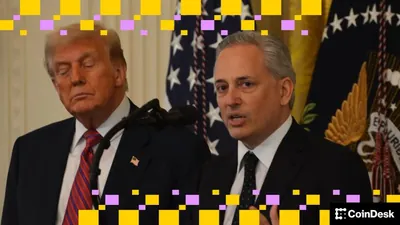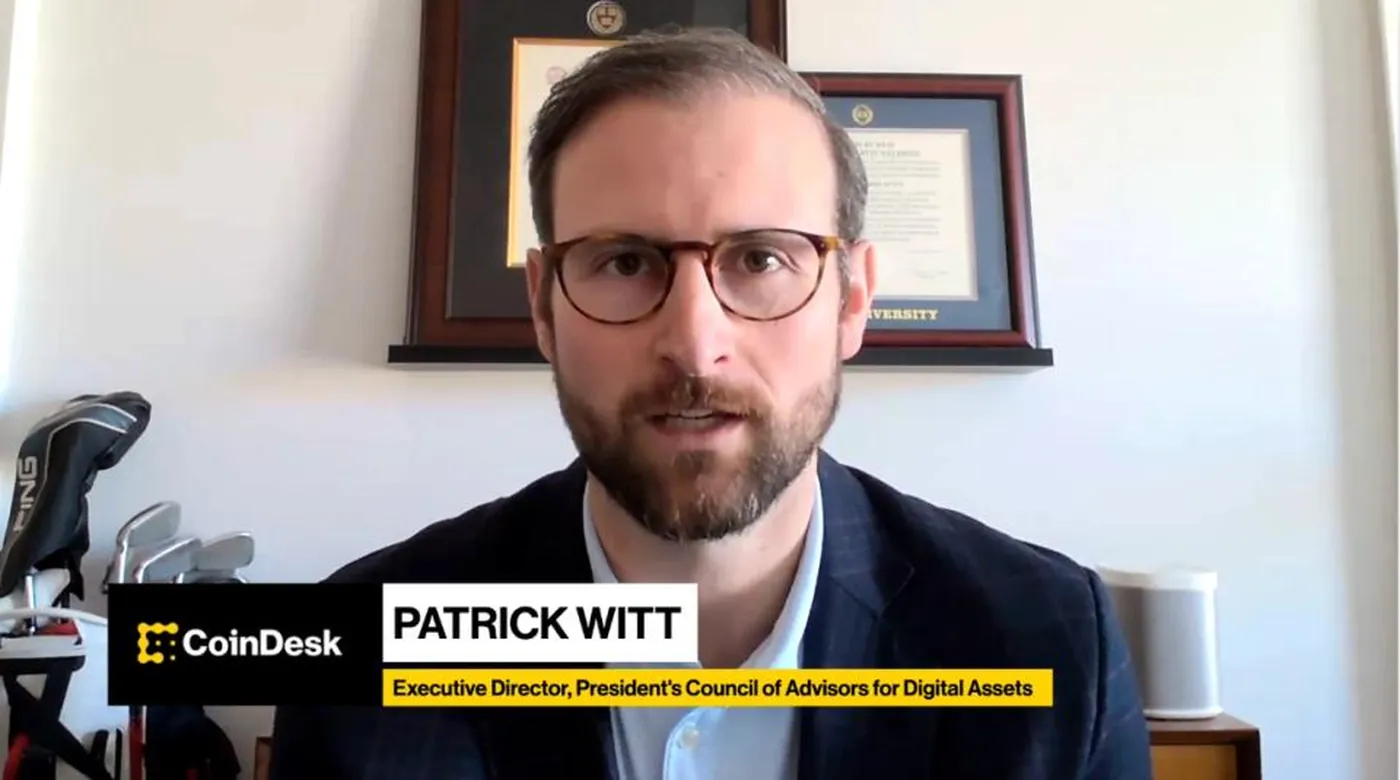
Patrick Witt, Executive Director of the President’s Council for Advisors for Digital Assets, told CoinDesk that Davos 2026 marked a turning point for global crypto normalization. He said the World Economic Forum gave the Trump administration an opportunity to signal a commitment to treating digital assets as a permanent asset class and to outline how regulators and industry should interact.
Davos 2026: Turning Point for Crypto Normalization
Witt described the administration’s goal as creating a 'symbiosis' between traditional financial incumbents and new crypto entrants, so both can coexist and compete. He noted that consumers benefit from increased choice and reiterated the President’s pledge to make the United States the undisputed 'crypto capital of the world'.
Legislative Progress and Delays
Regulatory movement in Washington is accelerating but uneven: the Senate Agriculture Committee is set to mark up its portion of the market structure bill on Thursday, January 29th at 10:30 AM, while the Senate Banking Committee has postponed its markup pending further mediation on issues such as stablecoin rewards and ethics. Coverage of the broader legislative process, including earlier White House actions, is available in the January markup reporting.
Witt expressed confidence that, despite these delays, lawmakers will eventually reconcile differences and bring the bill to the Senate floor. The administration views imperfect but 'directionally accurate' domestic rules as preferable to ceding regulatory leadership to other jurisdictions.
Stablecoins as Financial 'Gateway Drug'
At Davos, Witt said stablecoins are acting as a 'gateway drug' for global business leaders who are beginning to grasp the technology’s potential and risks. He described a cycle where traditional players move from lack of understanding to fear, and then to incorporating crypto into their own offerings, which the administration hopes to manage with a 'smooth glide path'.
Some Senate Republicans remain concerned that stablecoins could cause deposit flight from community banks, a point Witt acknowledged while emphasizing that consumers benefit from choice when different products compete. The administration intends to balance innovation with financial-stability considerations as it advances policy.
Next Steps in Crypto Policy
Once the primary market structure bill passes, the administration plans to pivot toward a major crypto tax package, and Witt suggested there is still a window to pass additional digital asset legislation this year before midterms dominate the congressional calendar. Observers should expect a sequence of policy priorities rather than simultaneous bills, starting with market structure and moving to taxation.
The administration is also monitoring developing situations related to digital assets seized in national security actions abroad, including matters involving Venezuela; as Witt put it, "There’s a number of folks in the national security apparatus engaged." For more background on recent US regulatory shifts, see US crypto regulation 2025.
Why this matters
If you run one device or a thousand, the Davos signal and Washington’s legislative steps shape the environment in which you operate rather than the technical mechanics of mining. Normalization and a push to integrate crypto with traditional finance can change market access, custody options, and which firms provide services to miners.
The scheduled markups and the promised tax package mean policymakers will be making rules that could affect taxes, reporting, and the business side of crypto. Mining itself isn’t directly altered by these announcements, but miners should pay attention because regulatory changes can affect exchanges, custodians, and banks you rely on.
What to do?
- Follow the January 29 markup and subsequent committee actions so you know when market-structure rules move forward and when tax rules may follow.
- Keep clear, dated records of mining income and expenses to prepare for any tax-package changes; accurate accounting makes compliance easier if rules change.
- Stay informed about stablecoin regulation and bank relationships, since concerns about deposit flight could affect community banking services you use for payouts or expenses.
- Monitor news about seized digital assets in national-security contexts if you hold or interact with assets tied to foreign jurisdictions; such situations can affect custody and legal risk.