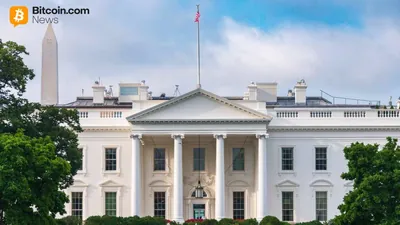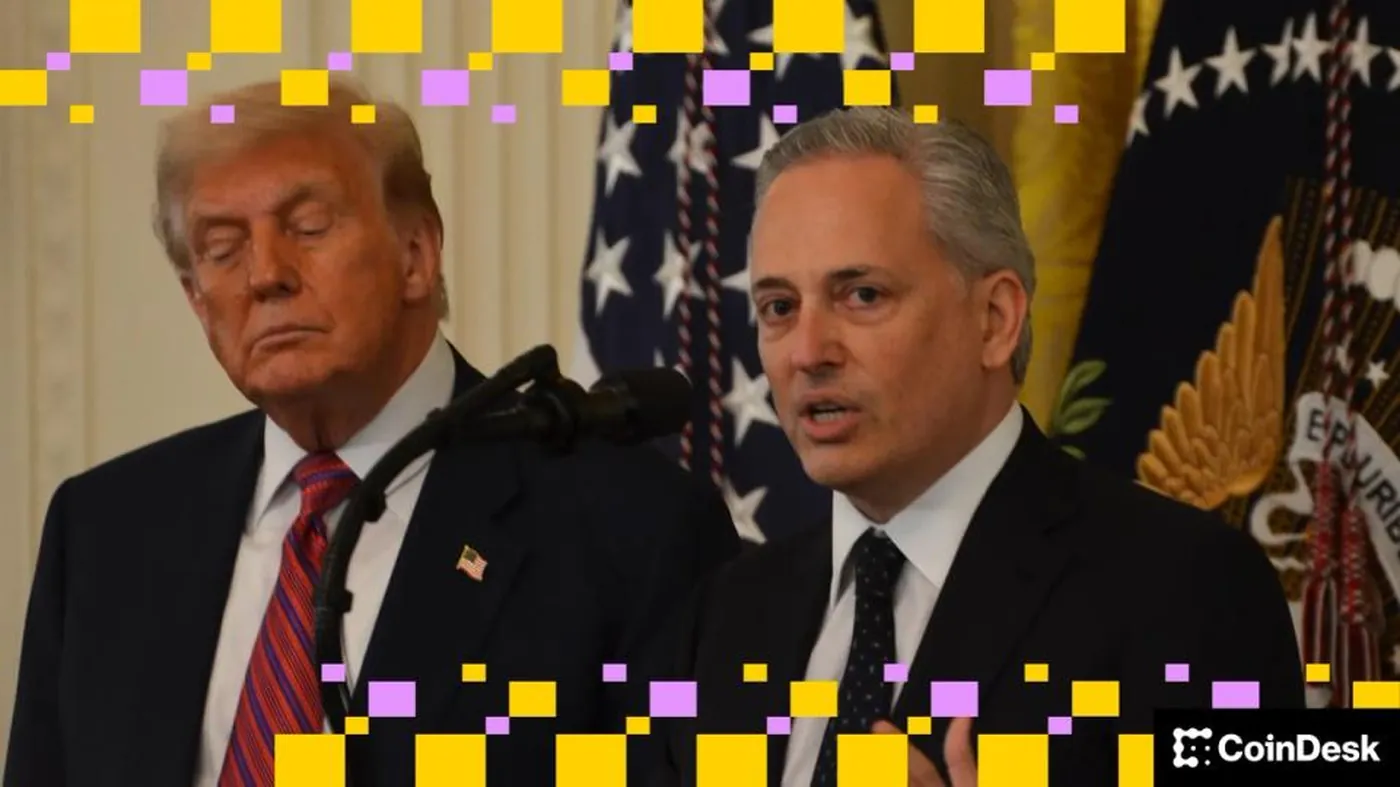
On Feb. 2, 2026 the White House held a meeting aimed at resolving sticking points in the U.S. crypto market-structure bill, with the central topic being whether stablecoins should carry yield or rewards. The session was led by David Sacks and lasted more than two hours, bringing together policy experts from the crypto sector and representatives from Wall Street banks. Attendees said the talks produced progress, but negotiators agreed further meetings would be necessary as the bill still faces Senate obstacles.
White House Crypto Meeting on Stablecoin Yield
The meeting concentrated on the most contentious provisions of the bill, especially the question of tying yield or rewards to stablecoins. Participants described the discussion as substantive and ongoing rather than conclusive, and organizers signaled more talks to follow. Coverage of related gatherings has noted similar efforts to bridge industry and banking positions, for example White House gathers bankers in prior briefings.
Stablecoin Yield Debate: Crypto vs Traditional Banking
The core disagreement pits the digital-asset industry against traditional bankers, who argue that stablecoin yields could compete with bank deposits and core banking services. At the same time, some Democrats demanded additional measures, including anti-corruption provisions, stronger illicit-finance protections and a requirement to fully staff the CFTC with bipartisan commissioners. The ethics push was complicated by a report that a United Arab Emirates intelligence chief secretly purchased a large stake in the Trump-tied World Liberty Financial Inc., an issue raised during the discussions.
Legislative Progress and Government Shutdown
The market-structure bill has already passed the House and cleared one of the Senate committees, but it still must advance through the Senate Banking Committee and other steps to become law. Negotiators said the path remains complicated by multiple competing demands from lawmakers, industry and regulators. Work on the bill was further strained as a partial federal government shutdown limited staff activity, with reports saying a funding plan was nearing a point that could reopen the government.
Key Stakeholders and Statements
David Sacks led the White House session, and industry lobbyists such as Cody Carbone of the Digital Chamber described the meeting as the kind of progress needed to unblock the legislation. President Trump urged lawmakers to reopen the government without changes to the spending measure, while Democrats continued to press for ethics and anti–illicit finance language tied to the crypto bill. Another useful background read on how stablecoins interact with bank business models is how stablecoins affect banks, which contextualizes the banking objections discussed at the meeting.
Why this matters
If you run miners in Russia with one to a thousand devices, this meeting is unlikely to change your day-to-day operations immediately, but it affects the regulatory backdrop for U.S. crypto markets and stablecoin products. The core dispute over stablecoin yield could influence which kinds of stablecoin-linked services become legal or restricted in the U.S., and that may affect liquidity, custodial offerings and service availability on some platforms used globally. Also, delays from the shutdown and continued Senate negotiations mean any legislative change will take time, so short-term disruption for a miner is possible but not guaranteed.
What to do?
Keep monitoring official U.S. developments but avoid assuming immediate regulatory change; legislative processes remain unresolved and can take weeks or months. Maintain basic operational best practices: ensure firmware and mining software are up to date, secure keys and wallets, and verify where you custody funds or stablecoins so you can move them if access changes. If you rely on U.S.-based exchanges or stablecoin services, track announcements from those providers and consider spreading operational risk across platforms and local currency options.
Further reading
For more background on U.S. policy moves and past White House engagement on this topic, see related reporting and analysis on regulation and meetings that preceded this session.