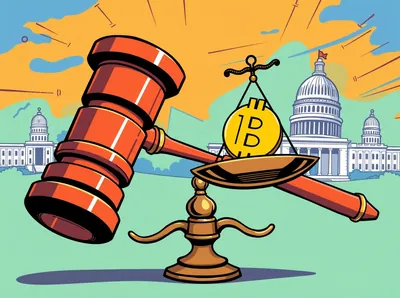
Massachusetts’ Suffolk County Superior Court has ordered Kalshi to stop offering sports-related markets in the state, issuing what the court called a temporary injunction. Reported by Decrypt on November 15, 2024, the ruling is described as the first injunction of its kind in United States history and requires an immediate halt to Kalshi’s sports betting contracts in Massachusetts. State regulators indicated they expect to formally ban Kalshi from offering sports contracts as soon as November 17, 2024, creating near-term legal uncertainty for the platform and its users.
Massachusetts Court Issues First-Ever Injunction Against Kalshi
The court found the plaintiff had shown a sufficient likelihood of success and treated Kalshi’s sports event contracts as activities subject to state gambling regulation rather than exempt financial instruments. The injunction specifically targets sports-related contracts and orders their immediate suspension for Massachusetts customers. The ruling also notes Kalshi’s own historical marketing, which described the service as the "first nationwide legal sports betting platform" prior to March 2023, a point the court cited when assessing the nature of the business.
Regulatory Background and Kalshi's Legal Arguments
Kalshi has argued its markets fall under Commodity Futures Trading Commission oversight and pointed to its designation as a CFTC designated contract market in 2022 as the basis for federal regulation. The Massachusetts court, however, characterized the disputed sports contracts as digital gambling activities subject to state control, rejecting federal preemption for those products in this case. This decision sits alongside other recent legal actions that treat prediction markets and sports-related contracts differently depending on jurisdiction.
Immediate Consequences for Kalshi and Users
Under the injunction, Kalshi must suspend sports-related event contracts for Massachusetts users immediately and notify affected customers about settlements and next steps under existing terms. The platform’s non-sports prediction markets—covering political, economic, and entertainment events—remain operational elsewhere in the United States. Because the ruling applies to sports contracts in Massachusetts, users with open positions in those markets face uncertainty about timing and settlement procedures while the company and regulators implement the court order.
Broader Implications for Prediction Markets
Legal observers say the Massachusetts decision may be used as precedent by other states weighing how to classify event contracts that resemble sports wagers. At the same time, the ruling directly contrasts with a Tennessee federal court action that temporarily withdrew a cease-and-desist against Kalshi, producing conflicting legal outcomes across jurisdictions. These discrepancies add regulatory complexity for platforms and for users who interact with prediction markets across state lines.
For additional context on how prediction markets work and how regulators view them, see our short guide on what prediction markets, and read about recent platform activity and market scale in the report on trading volumes in the sector.
Expert Analysis and Legal Context
Legal expert Michael Chen noted the injunction creates a precedent other states are likely to reference when considering similar actions, highlighting that the decision intensifies the debate over whether event contracts are gambling or financial instruments. Kalshi’s CFTC designation in 2022 remains central to its defense, but the court treated the platform’s past marketing and the practical effect of sports contracts as determinative in this case. The split with the Tennessee outcome underscores an unsettled legal environment for prediction market operators.
Why this matters
If you run mining hardware in Russia—whether a single rig or several hundred—this ruling does not directly change how you operate mining equipment or access electricity. However, it contributes to regulatory uncertainty in the broader crypto ecosystem, which can affect services, exchanges, or platforms you might use to trade or hedge crypto-related positions. In practice, some platforms that offer prediction contracts could modify services, restrict products, or change user-eligibility rules in response to state actions like this Massachusetts injunction.
What to do?
- If you use Kalshi: check official Kalshi communications and your account notifications for details about suspended sports contracts and settlement procedures.
- Keep records: save transaction histories and correspondence related to any affected positions so you can follow up if settlements are delayed or disputed.
- Follow regulatory updates: monitor trusted news sources and platform announcements for legal developments, especially around November 17, 2024, when Massachusetts regulators expected to act.
- Limit assumptions: don’t change mining setups based on this ruling alone—this is a legal development about prediction markets, not mining operations.
For perspective on regulated prediction products that follow CFTC structures, see reporting on DraftKings CFTC model, which illustrates one approach platforms use to align with federal frameworks. Overall, the Massachusetts injunction against Kalshi marks a legal turning point that platforms, users, and regulators will watch closely as the industry adjusts.