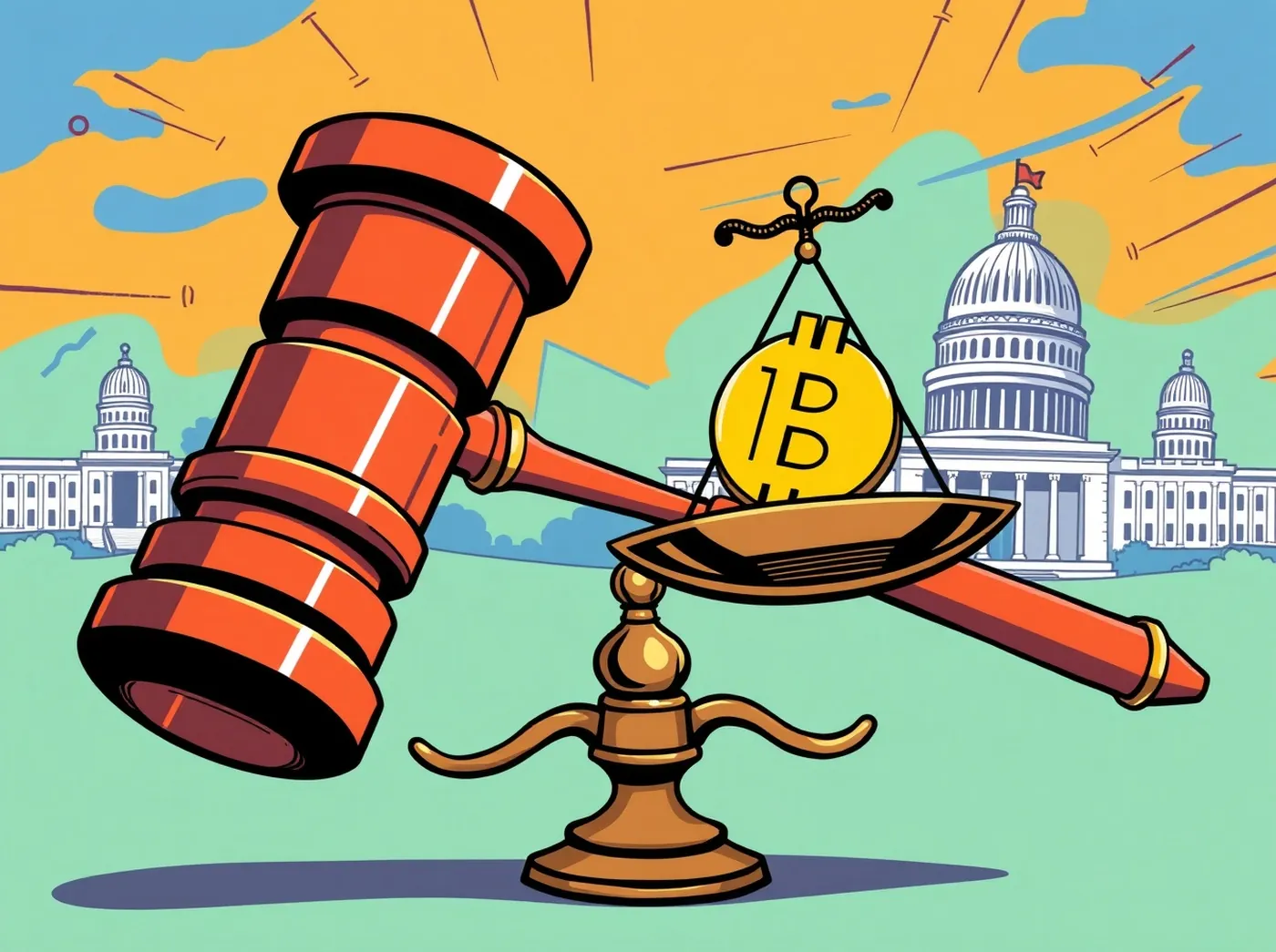
Coinbase has filed lawsuits against Connecticut and several other states concerning prediction markets. The company challenges the applicability of certain laws to these platforms, and this dispute has drawn public attention.
In this article, we explain what prediction markets are, Coinbase's role in the case, and the key legal issues at stake. At the end, we provide brief conclusions and practical recommendations for miners and home farm operators.
What Are Prediction Markets?
Prediction markets are platforms where users place bets on the outcomes of events and receive payouts depending on the results. The model resembles a stock exchange mechanism: participants assess the probability of events and take positions, while the price reflects the market consensus.
These platforms are used across various fields: they tokenize forecasts about politics, economics, and sports, as well as provide internal risk hedging on certain platforms. Below are examples of event types commonly wagered on:
- outcomes of political elections and votes;
- financial and economic indicators;
- results of sports competitions and other public events.
Coinbase and Prediction Markets
Coinbase's Role in the Case
In the lawsuit, Coinbase acts as the plaintiff, challenging the application of specific regulations to prediction markets. The company argues that the legal framework governing such products requires clarification and judicial resolution.
Why Coinbase Filed the Lawsuit
The core issue concerns the legal status of prediction markets and how existing state laws apply to them. Coinbase seeks a court ruling to clarify the applicable rules, determining which services can be offered and under what conditions.
Which States Are Involved
Public statements specifically mention Connecticut as one of the defendants, along with other states involved in the same dispute. Exact lists and lawsuit details are contained in court documents reviewed in the relevant jurisdictions.
Legal Aspects
Regulation of prediction markets in the U.S. and individual states remains contentious — the key question is how to classify these products under gambling and financial laws. This dispute touches on the boundaries between gambling, financial instruments, and new digital products.
The states' position is to apply their own laws and regulations to platforms that authorities believe may fall under their regulatory scope. In response, parties seek judicial clarification to establish the applicable legal framework.
Potential consequences for Coinbase depend on court findings: this could lead to clarifying the legal regime, adjusting offered services, or requiring compliance practice changes. In any case, the court’s decision should clarify how such products will be treated in specific jurisdictions going forward.
Impact on the Cryptocurrency Market
The legal dispute over prediction markets primarily affects legal clarity for services and users. Without a definitive ruling, some platforms may reconsider their offerings or compliance approaches, impacting the availability of related products.
Market participants’ and investors’ reactions usually relate to assessing legal risks and service accessibility; discussions often focus on what interface and rule changes platforms need to meet requirements. For broader context on Coinbase’s cooperation with law enforcement and fraud prevention, see the company overview: cooperates with law enforcement.
At the legislative level, bipartisan initiatives addressing fraud and clarifying rules for digital assets are also being discussed; one such initiative was mentioned in several regulatory materials. For context on legislative efforts, see the overview of the bipartisan SAFE Act.
Why This Matters
For most miners, especially those operating their own farms in Russia, this dispute will not directly change the mining process. Mining remains a technical operation unrelated to prediction markets, and equipment power consumption and operation are unaffected.
However, changes in the legal regime for products and services could impact the cryptocurrency ecosystem overall: if platforms revise their services, this will affect the availability of certain tools for users and providers. Therefore, miners should monitor regulatory changes to understand potential market and service transformations.
What to Do?
- Follow news about the case and official clarifications from service providers, especially if you use exchanges or platforms offering prediction market products.
- Check which services and platforms you use — if you do not use prediction markets, no direct action is likely required.
- Maintain reliable equipment operation: update firmware and software, monitor cooling and power supply to minimize operational risks.
- Keep records of income and expenses and retain documents related to cryptocurrency transactions for reporting and potential audits.
- If providing services to third parties or planning business expansion, consult compliance specialists to consider regulatory risks when working with new products.
Frequently Asked Questions
What exactly is Coinbase challenging?
Coinbase filed lawsuits against Connecticut and several states regarding the application of existing laws to prediction markets; the goal is to obtain judicial clarification of the legal status of such platforms.
Will this directly affect cryptocurrency mining?
Mining is not directly affected, as the dispute concerns the legal regime of prediction markets, not cryptocurrency production; however, ecosystem service changes may indirectly impact market participants.
What should I do if I use such platforms?
If you use or plan to use prediction markets, monitor platform announcements and pay attention to changes in rules and service availability in your jurisdiction.