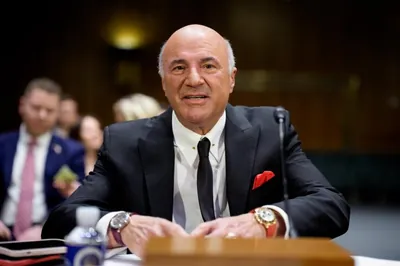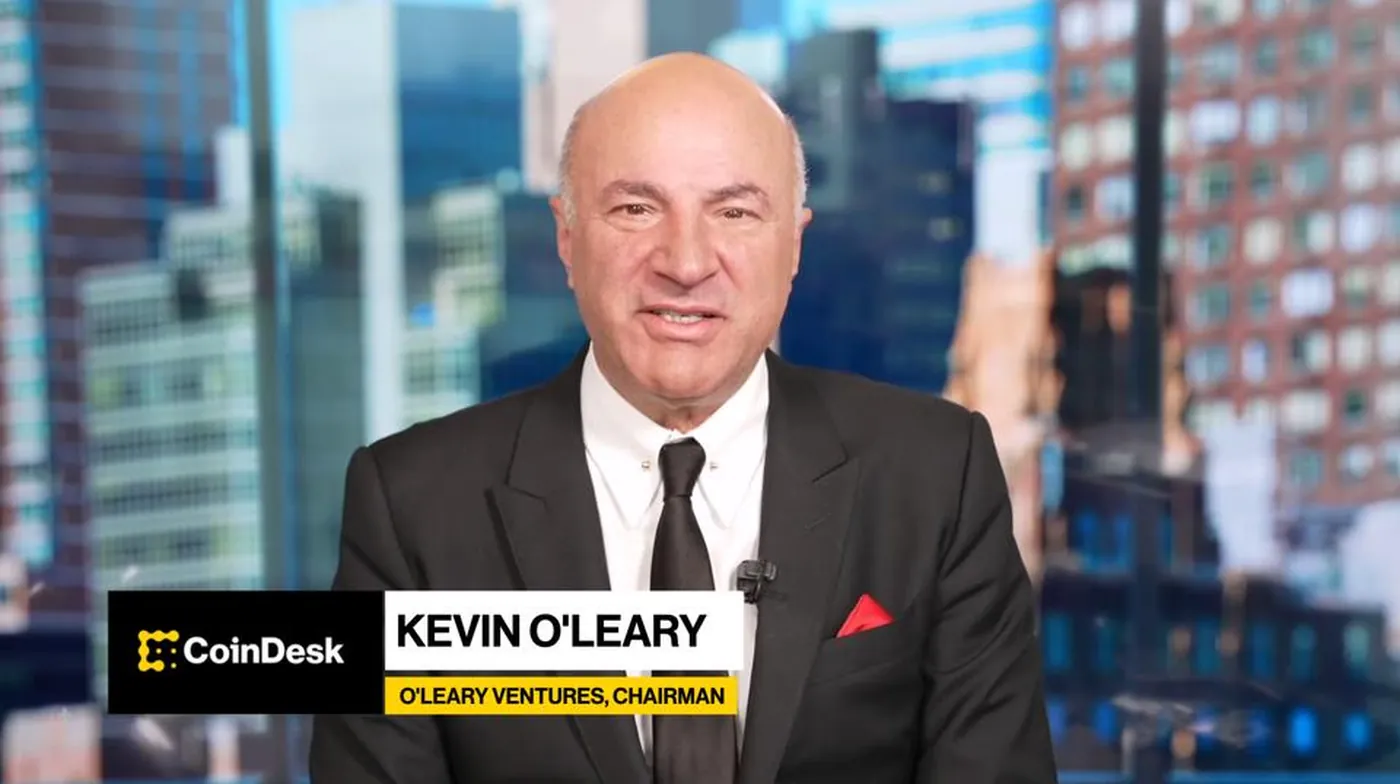
Kevin O'Leary has shifted his capital allocation away from smaller tokens and toward tangible infrastructure, emphasizing land, power and copper. He has publicly said that power is now "more valuable than bitcoin," and has pursued sizable land deals tied to stranded natural gas in Alberta and the U.S. This move reflects a belief that control over energy and related materials is central to future demand.
Kevin O'Leary's Shift in Investment Strategy
O'Leary describes a clear pivot: instead of concentrating on small-cap tokens, he is buying physical assets that supply energy and raw materials. That includes land parcels and stakes related to power generation, as well as copper, which he sees as essential infrastructure. His argument rests on rising energy demand from sectors like bitcoin mining and AI, which he says can drive value toward whoever controls power; for more on the AI angle, see bitcoin and AI.
Land Deals and Energy Focus
Part of O'Leary's strategy has been to secure land with access to stranded natural gas in regions including Alberta and parts of the U.S. He frames these deals as a way to monetize otherwise underused energy sources and to supply large-scale computing loads. The emphasis on stranded gas links to broader conversations about how fossil-fuel infrastructure can intersect with crypto and mining operations; see related coverage on oil investments and bitcoin.
Investment Advice and Market Trends
O'Leary is advising investors to look at copper and gold, noting that copper prices have nearly quadrupled for his projects over the last 18 months. He positions copper as a critical input for power and data infrastructure, while gold remains part of a traditional store-of-value allocation. This guidance is presented alongside his broader move out of altcoins and into asset classes tied to physical infrastructure; for context on precious metals versus bitcoin, see bitcoin vs gold.
Role of Robinhood and Coinbase
Along with physical assets, O'Leary has reallocated capital from altcoins into platforms he calls infrastructure plays, specifically Robinhood and Coinbase. He describes Robinhood as the leading bridge for managing both equity and crypto in a single portfolio, while calling Coinbase the de facto standard for businesses to handle stablecoin transactions and vendor payments once regulatory acts pass. In his view, these platforms represent straightforward infrastructure exposure within the financial and crypto ecosystem.
Почему это важно
Для майнера, даже с небольшой фермой, смещение капитала в энергию и землю означает, что ценность доступа к дешёвой и надёжной мощности может расти независимо от цены биткоина. Контроль над энергоресурсами и инфраструктурой делает их привлекательными для крупных игроков, что может изменить доступность коммерческих предложений по размещению. При этом речь не о немедленных изменениях для каждого майнера, но о долгосрочном сдвиге в приоритетах инвесторов и операторов.
Что делать?
- Проверьте свои тарифы и контракты на электроэнергию: сравните текущие условия с возможными вариантами хостинга у провайдеров, у которых есть доступ к дешёвой или сопутствующей газовой энергии.
- Оцените риски и преимущества локального размещения: подумайте, стоит ли расширять мощность в вашей локации или рассмотреть колокацию, если доступны предложения с устойчивой подачей энергии.
- Учитывайте сырьевые цепочки: следите за рынком меди и золота как за показателями спроса на инфраструктуру, особенно если вы рассматриваете инвестиции или расширение капитала под оборудование.
- Следите за инфраструктурными платформами: компании вроде Robinhood и Coinbase могут быть способом получить косвенную экспозицию к криптоэкосистеме без прямой покупки альткоинов.
- Документируйте и планируйте: ведите учёт затрат, мощности и доступности энергии, чтобы быстро реагировать на изменения в предложениях по размещению или контрактах.