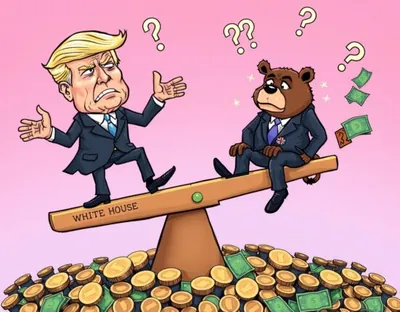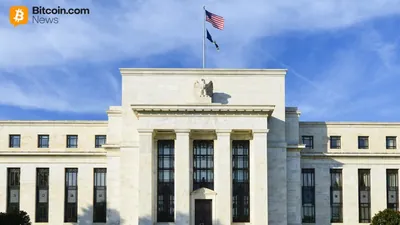
Since the Department of Justice opened a probe into the Federal Reserve’s renovation projects, public debate over the central bank’s independence has intensified. Chair Jerome Powell has characterized the inquiry as a clash over monetary policy views, while critics say the episode exposes long‑running tensions about how independent the Fed really is.
DOJ Probe and Political Criticism
The Justice Department’s review focuses on the Fed’s renovation spending, and Powell publicly framed the inquiry as a threat to institutional independence. That framing drew sharp responses from political figures and commentators, including Sen. Elizabeth Warren, who said President Trump sought to “install another sock puppet to complete his corrupt takeover of America’s central bank.”
The probe and ensuing political rhetoric have been widely discussed across news and markets, including coverage that considers possible effects on digital assets; see coverage of the investigation’s impact on Bitcoin here. At the same time, some observers argue the controversy mostly restates older disagreements over the Fed’s role and accountability.
Arguments Against Fed Independence
Prominent voices have rejected the idea of a genuinely independent Fed. Investment manager Rob Arnott told Bloomberg he has always regarded Fed independence as "somewhat of a myth," noting the presidential appointment process can shift the institution’s composition over time. That argument emphasizes how leadership turnover links the Fed to elected officials.
Crypto entrepreneur Erik Voorhees expressed a similar view more bluntly, calling Fed independence a "myth" and contending the institution serves banking interests. Wellington‑Altus strategist James E. Thorne added that Powell’s public portrayal turned a routine DOJ oversight review into an overstated claim about endangered independence.
Historical and Academic Perspectives
Scholars and analysts point to research that questions the Fed’s autonomy in practice. A 2025 policy note from the Levy Economics Institute described the Fed as a "creature of Congress," while a 2020 study in Economics & Politics, updated through 2024, placed the United States in the bottom quartile globally for central bank independence.
Longstanding critiques from thinkers like Murray Rothbard argue the Fed is integrated with state power rather than standing apart from it. These academic and ideological perspectives reinforce the view that formal independence does not always translate into operational autonomy.
Origins and Structure of the Federal Reserve
The Fed’s institutional design reflects its statutory roots: it was created by Congress in 1913 and operates under laws that give it a central role in issuing legal tender. Its leadership is chosen by the president and confirmed by the Senate, which creates clear ties to elected branches of government.
Critics also note historical cooperation between government and financial elites during the Fed’s founding. President Woodrow Wilson worked with the Money Trust—a network of Wall Street financiers identified by the Pujo Committee—illustrating early links between state power and private banking interests.
Почему это важно
For a miner operating in Russia with between one and a thousand devices, the immediate legal details of a U.S. DOJ probe may seem distant, but the debate increases public attention to central bank governance and regulatory scrutiny of financial institutions. That heightened attention can influence media coverage and policy conversations that affect cryptocurrency markets and payment systems internationally.
At a practical level, this episode reiterates that institutions influencing money and markets are subject to political pressures and oversight. Miners who follow news about the Fed can better understand why policymaking and public rhetoric matter for broader discussion about financial regulation and market narratives.
Что делать?
- Monitor reliable news sources and official statements from regulators to stay informed about developments that could affect market sentiment or exchange operations.
- Keep your operational security and bookkeeping in order: document power usage, maintain clear records of equipment purchases, and secure wallets and accounts against unauthorized access.
- Review service and exchange notifications where you trade or cash out crypto; changes in public debate can lead to headlines and platform communications you should not miss.
- Maintain contingency plans for short disruptions (connectivity, maintenance) and avoid making major operational changes based solely on political rhetoric.
For context on how Fed actions and policy debates have been discussed in relation to crypto markets, see a market forecast that examines the Fed’s policy influence here.
FAQ
Why is the Federal Reserve’s independence being questioned now? The Justice Department’s probe into Fed renovation projects and renewed political criticism have reignited debates about whether the Fed operates independently of government power.
What role does the president play in Federal Reserve leadership? The president appoints the Fed chair and members of the Board of Governors, with Senate confirmation, giving elected officials clear influence over leadership.
What do critics say about the Fed’s origins? Critics point out the Fed was created by Congress in 1913 and that its founding involved cooperation between government leaders and powerful banking interests, as documented by the Pujo Committee.
Why do some economists call Fed independence a myth? They cite the Fed’s legal structure, its crisis‑era coordination with the Treasury, historical ties to government and banking interests, and the appointment process as reasons it is not fully autonomous.