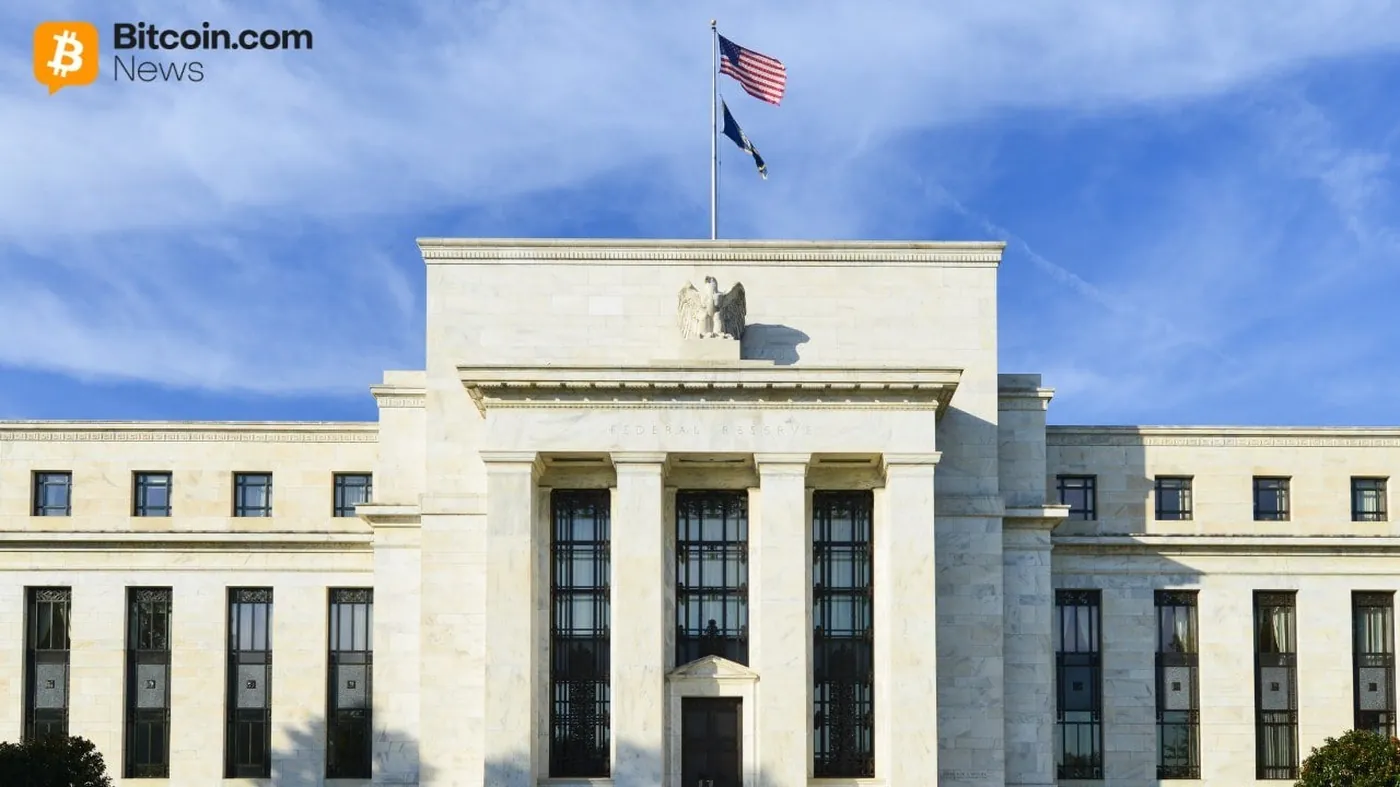
Devere Group published an opinion on Jan. 12, 2026, asking whether growing pressure on the Federal Reserve could position Bitcoin for a major price surge. The firm's CEO, Nigel Green, said markets perceive a deeper issue than a simple policy disagreement and that confidence in U.S. monetary governance underpins global financial stability. At about 5:29 p.m., Bitcoin was trading near $91,202 on Bitstamp, while market moves showed an unsettled, indecisive tone.
Federal Reserve Pressure and Bitcoin's Role as a Hedge
Nigel Green argued that weakening confidence in U.S. monetary governance prompts capital to flow toward assets perceived as beyond political control, with Bitcoin now absorbing some of that demand. He highlighted that legal scrutiny of the Federal Reserve chair, together with political pressure on interest-rate decisions, sends signals investors do not ignore; observers following the Powell investigation will see why such scrutiny matters for market sentiment. In this view, episodes of tension between elected officials and monetary authorities strengthen the case for assets governed by code rather than discretion.
Market Behavior and Bitcoin's Performance
Devere Group pointed to recent market behavior in which equity futures softened, gold moved higher, the U.S. dollar weakened against major peers, and Bitcoin advanced alongside those shifts. The firm noted that these moves reflect a reassessment of institutional trust rather than only short-term policy outcomes, and that price action around $91,202 on Bitstamp showed buyers and sellers battling for short-term control. For broader context on price trends and macro drivers, see the Bitcoin 2026 forecast.
Institutional Investment and Bitcoin
Green traced the shift in flows: historically, political pressure on central banks directed capital mainly into gold and defensive currencies, but now a growing share moves into Bitcoin. He attributed part of this change to improved institutional access — spot bitcoin ETFs, regulated custody and deeper derivatives markets — which, according to Devere Group, have accelerated investor allocation to Bitcoin. The firm also noted that investors in emerging markets often prefer assets beyond sovereign influence during periods of systemic uncertainty, and that Bitcoin fits that preference.
Why this matters
If you run 1 to 1,000 mining devices in Russia, the main practical impact is through market-driven price and volatility, not through immediate operational changes. Institutional flows and political signals cited by Devere Group can affect demand and therefore short-term price swings, which in turn change revenue for miners who sell mined coins regularly.
At the same time, the analysis does not directly alter how you operate equipment or your local costs, but it does underscore that headlines about the Federal Reserve and related scrutiny can move markets. Keeping an eye on institutional developments helps you interpret price moves and manage cash-flow decisions.
What to do?
Below are concise, practical steps for miners in Russia with small to medium setups. These actions focus on risk management and operational resilience without assuming any specific legal or tax advice.
- Monitor prices and liquidity: track spot prices and intraday volatility so you can time conversions of mined BTC according to your cash-flow needs.
- Manage exposure: decide in advance what share of mined coins you convert to fiat versus hold as BTC to limit emotional selling during fast moves.
- Optimize costs: review power usage and uptime to keep production steady; small margins matter when price swings are frequent.
- Check custody and counterparty risk: if you use third-party services, prefer regulated providers and documented custody arrangements where possible.
- Stay informed on macro signals: follow developments around the Federal Reserve and institutional adoption to better interpret demand-driven price changes.
FAQs on Federal Reserve Pressure and Bitcoin
Below are short answers based on Devere Group's analysis and the market observations cited in the opinion.
Why does Federal Reserve pressure impact Bitcoin? Political stress and legal scrutiny of the Fed can weaken confidence in monetary governance, prompting some capital to move toward assets perceived as outside sovereign control, including Bitcoin.
What role does Devere Group play in this outlook? Devere Group published an opinion assessing how mounting pressure on the Federal Reserve could influence Bitcoin demand, emphasizing shifts in institutional trust and investor behavior.
How do spot bitcoin ETFs influence investor behavior? According to Devere Group, spot ETFs and related infrastructure have expanded institutional access to Bitcoin, accelerating allocation from larger investors.
Why might emerging-market investors favor Bitcoin during uncertainty? The analysis notes that investors in some regions prefer assets beyond sovereign influence when systemic uncertainty rises, and Bitcoin is seen by some as fitting that preference.