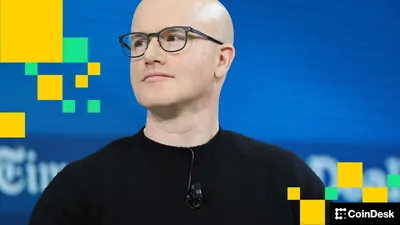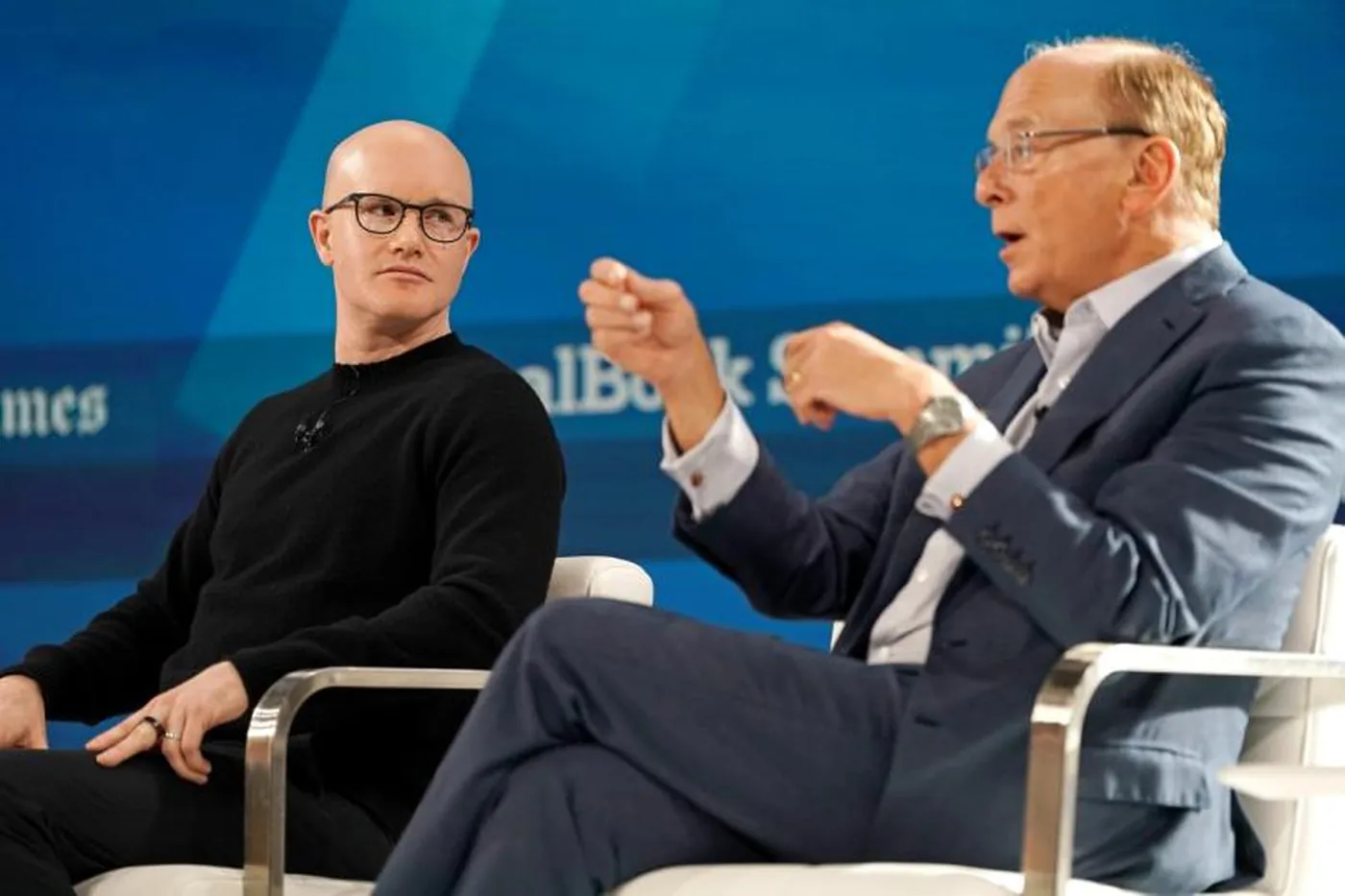
Coinbase CEO Brian Armstrong, speaking after his trip to the World Economic Forum in Davos, reported that a senior executive at one of the world’s 10 largest banks told him crypto is now their “number one priority” and that they view it as “existential.” Armstrong said this remark reflects a broader change in how legacy financial institutions are approaching digital assets, with many leaders not only open to crypto but actively seeking ways to participate. His summary highlights three recurring themes from Davos: banks' urgent focus on crypto, a push for tokenization across asset classes, and close interplay between AI and crypto.
Banks' Shift in Perspective on Crypto
Armstrong relayed that at least one top bank executive framed crypto as an existential business threat, and he noted that several other financial leaders at Davos were leaning into crypto as an opportunity. For banks built on legacy payment rails, crypto represents both a competitive challenge and a potential new business line, prompting institutions to make it a strategic priority. While Armstrong did not name the bank or the executive, the takeaway was that major players are prioritizing crypto integration rather than dismissing it.
Tokenization as a Key Trend
According to Armstrong, tokenization was among the most frequently discussed topics at Davos, with conversations extending beyond stablecoins into equities, credit, and other financial products. Participants argued that tokenized assets could broaden access to investments and change how value moves across markets, and Armstrong said he expects notable progress on tokenization this year. For more on how stablecoins affect banking and payments, see stablecoins' impact, which dives into parallels between token use and bank revenue models.
Regulatory Developments and Political Support
Armstrong also pointed to strengthening political support for crypto in the United States, citing the Trump administration’s push for crypto-focused legislation such as the CLARITY Act, which aims to clarify rules for digital assets. He framed clearer regulation as important for keeping the U.S. competitive, especially as other countries invest in stablecoin infrastructure. Readers interested in issuer-side tradeoffs and regulatory clarity can consult the discussion on stablecoin issuers and regulatory choices.
The Intersection of AI and Crypto
Armstrong said that AI and crypto were the two most-discussed technologies at Davos, and he emphasized links between them rather than competition for attention. He suggested AI agents could increasingly use stablecoins for payments, potentially bypassing traditional banking constraints and identity checks, and noted that the necessary infrastructure and usage are growing. For a broader view of institutional expectations this year, see the Coinbase Institutional forecast.
Why this matters
If you run mining equipment in Russia — whether one rig or a large rig farm — these Davos takeaways do not instantly change how you mine, but they matter for the ecosystem around your activity. Greater bank focus and tokenization could increase demand for on-chain services, liquidity options, and new asset types that use the chains you support, while U.S. regulatory moves can influence global market structure and infrastructure development. At the same time, closer ties between AI and crypto may create new transaction patterns that affect fees and settlement flows, even if those effects appear gradually.
What to do?
Keep following regulatory and infrastructure developments and be prepared to adapt to changing on-chain demand and settlement models. Specifically, monitor proposals and industry responses, watch tokenization projects, and pay attention to how stablecoins and AI-driven payments evolve.
- Subscribe to authoritative updates on regulation and tokenization to track rules that may affect exchanges and service providers you use.
- Monitor liquidity and withdrawal options for the coins you mine so you can react if on-chain flows or fees shift.
- Follow infrastructure changes (stablecoins, tokenized assets) that could create new settlement paths or marketplaces for mined coins.