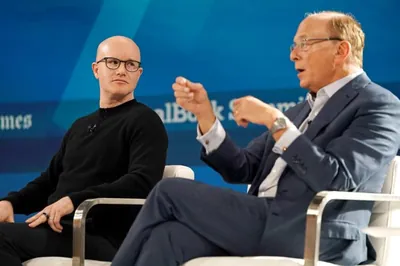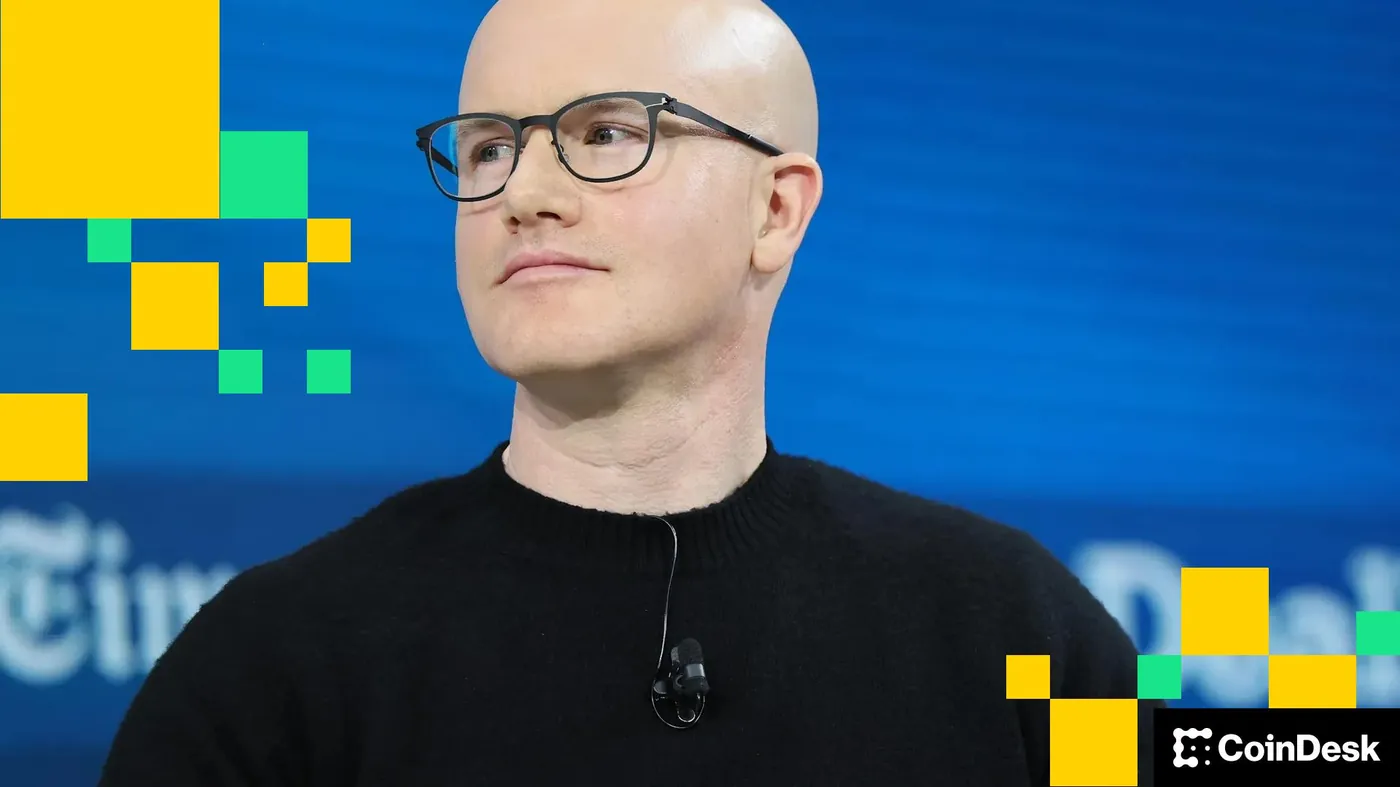
Coinbase CEO Brian Armstrong approached several Wall Street leaders at the World Economic Forum in Davos to discuss the Senate’s crypto market-structure bill, but he encountered an icy reception. High-profile bank chiefs either rebuffed him or cut meetings short, turning the encounters into a blunt public rebuke of Coinbase’s position.
Davos Confrontation: Bank CEOs vs. Armstrong
The interaction at Davos was notable for its bluntness. JPMorgan Chase CEO Jamie Dimon told Armstrong, "You are full of s---," and Bank of America’s Brian Moynihan spent 30 minutes with Armstrong before dismissing his arguments with, "If you want to be a bank, just be a bank."
Other meetings were even shorter or nonexistent: Wells Fargo CEO Charlie Scharf said there was "nothing for them to talk about," and Citigroup’s Jane Fraser gave Armstrong under a minute. These reactions framed the exchanges as a firm pushback from traditional banking leaders rather than a negotiated discussion.
The CLARITY Act Dispute
Armstrong has publicly opposed the CLARITY Act as drafted, announcing on X that Coinbase "can’t support the bill as written." His objection centers on how the legislation would govern crypto products and who gets to offer them under new rules.
Part of Armstrong’s argument focuses on stablecoin rewards, which he says banks are trying to curb. For more on how policy discussions are shaping the stablecoin agenda, see the White House meetings on stablecoins taking place alongside industry debate.
Banking Industry Concerns
Banks contend that recurring payouts on stablecoins resemble interest-bearing accounts and could draw deposits away from traditional deposit models that fund lending and other services. Regulators and bank executives view that shift as a potential threat to the funding structure that supports local lending.
Armstrong counters that the market should "compete, not block," arguing against rules that would limit crypto firms’ ability to offer yield-bearing products. For a deeper look at how stablecoins affect bank revenues and payments, read about the stablecoin impact on banks.
Future of Crypto-Bank Relations
Despite the public friction, the relationship between crypto platforms and banks is not purely adversarial: Coinbase maintains partnerships with major banks, including JPMorgan and Citi. That coexistence suggests the dispute is as much about setting rules as it is about outright separation.
Who writes the regulatory framework could shift market structure and determine which firms can offer certain products under which conditions. This makes the legislative process central to the next phase of digital finance and to how partnerships evolve.
Why this matters (for a miner in Russia)
Even if you run a small mining operation in Russia, the Davos exchanges are relevant because they shape who can offer crypto products and how those products compete with banks. Changes in rules for stablecoin yields or market access can alter where users hold funds and which services gain traction, indirectly affecting liquidity and the broader crypto ecosystem you depend on.
At the same time, the standoff highlights that big banks and crypto firms still do business together, so regulatory outcomes are likely to influence product terms and custody options rather than erase crypto's place in finance. Keep this in mind when choosing how to store payouts or which platforms to use.
What to do?
- Monitor rule changes: follow official updates to the CLARITY Act discussions and related regulatory signals that could affect stablecoin yields and custody options.
- Review payout arrangements: consider how you receive mining proceeds and whether stablecoins or bank-linked services fit your liquidity and withdrawal needs.
- Diversify platforms: keep accounts on multiple trusted services to reduce downtime or access issues if one provider’s terms change.
- Keep records: document where and how you hold funds to simplify any adjustments if platforms change reward structures or custody rules.
- Stay informed via reputable coverage: read follow-ups on policy meetings and industry responses to understand practical implications for everyday operations.