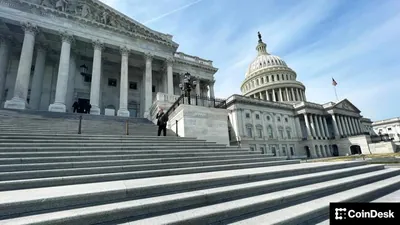
The CLARITY Act would create a comprehensive U.S. framework for digital assets, but one provision has become especially controversial: a ban on interest or yield paid on payment stablecoins. Supporters frame that measure as a way to separate payment tools from investment products and to protect consumers, while critics argue it ignores how dollar-pegged tokens currently work and may produce unintended consequences. The debate centers on whether the rule will reduce risk domestically or simply move yield-seeking activity beyond U.S. regulation. For background on the bill's development, see CLARITY Act progress.
Overview of the CLARITY Act and Stablecoin Regulations
The CLARITY Act aims to classify and regulate various kinds of digital assets, with a distinct treatment for payment stablecoins. A specific provision would prohibit issuers of dollar-pegged payment tokens from offering interest or other yields to holders, effectively limiting these tokens to payment functions. Proponents say this clarifies legal boundaries between payments and investments, but opponents warn the restriction could impose economic costs that the law does not address.
Mechanics of Stablecoin Yield and Market Impact
Issuers of major stablecoins currently hold reserves largely in ultra-safe, short-term instruments such as Treasury bills; the interest from these reserve portfolios can be shared with holders or used to fund operations. This reserve-yield model creates a straightforward channel for generating low-risk returns inside the regulated stablecoin structure. Removing the ability to share that yield would change the economic incentives for both issuers and holders and could push capital to seek returns elsewhere.
Industry voices stress that demand for yield does not disappear when a domestic channel is closed. Similar industry concerns are discussed in reporting such as Coinbase warns, which highlights the risk of reduced U.S. market depth and liquidity if yield moves offshore. Regulators intend to protect consumers, but critics say the policy may instead relocate activity to less supervised venues.
Capital Flight to Offshore Markets
Analysts highlight a near-term risk of funds migrating to offshore financial centers with more permissive or ambiguous rules on crypto yields. Colin Butler, Head of Markets at Mega Matrix, warns that a ban would not end demand for returns; it would redirect that demand toward less transparent and potentially riskier jurisdictions. Those destinations may lack the consumer protections, transparency requirements, and anti-money-laundering safeguards present in the United States.
As capital leaves regulated U.S. markets, American oversight and auditing influence over significant financial flows would weaken, making it harder for U.S. authorities to shape standards and practices for digital finance. That dynamic is central to concerns about systemic risk rising when activity shifts into opaque markets.
Rise of Synthetic Dollar Products
Beyond geographic migration, the proposed ban incentivizes engineered alternatives that sit outside the legal definition of a payment stablecoin. Andrei Grachev, a founding partner at Falcon Finance, points to synthetic dollar products as a key loophole and cites Ethena’s USDe as a prominent example. These products typically use derivatives strategies—rather than traditional cash reserves—to maintain a peg and often offer higher yields, allowing them to evade stablecoin-specific restrictions.
The result could be a two-tier market: heavily regulated, low-yield payment stablecoins within U.S. law versus lightly regulated, higher-yield synthetic alternatives operating in gray areas. Capital seeking yield would therefore have incentives to flow into the latter, with correspondingly different risk and transparency profiles.
Impact on U.S. Financial Competitiveness
Experts warn the combined effect of capital flight and regulatory arbitrage could erode U.S. competitiveness in digital finance. By pushing innovation and pools of capital offshore, the United States would forfeit some ability to influence how dollar-denominated digital instruments are built and supervised. That loss of influence matters because oversight and rule-setting shape market behavior and global standards.
Those concerns sit alongside developments in other jurisdictions that are actively shaping their own crypto frameworks, and they frame the core policy choice lawmakers face: restrict in ways that may export activity, or design safeguards that keep yield-bearing instruments and their oversight within reach of U.S. authorities. For more on stablecoins' role in the wider system, see global financial system.
Why this matters (short)
If the CLARITY Act bans stablecoin interest, the immediate supply of regulated, yield-bearing dollar tokens inside the U.S. could shrink, while demand for yield remains. That gap is likely to be filled by offshore venues or synthetic-dollar products, which may offer higher returns but typically come with weaker transparency and fewer legal protections.
For miners and small operators, the change may not alter day-to-day mining operations, but it can affect where clients and counterparties hold and move crypto liquidity. In the medium term, thinner liquidity in regulated markets could mean different on-ramps and off-ramps for USD-pegged crypto holdings.
What to do?
- Monitor access to regulated stablecoins and pay attention to issuer disclosures about reserves and yield; prefer issuers that publish reserve audits.
- Avoid unfamiliar offshore platforms that promise high, opaque yields; prioritize platforms with clear compliance and transparency records.
- Consider short liquidity horizons: if you need quick, reliable USD-pegged liquidity, plan for where you will park funds without relying on high-yield products.
- Learn basic distinctions between reserve-backed stablecoins and synthetic-dollar products like USDe so you can assess counterparty risk.
- Keep operational practices compliant with local rules and document where funds are held; that reduces legal and operational friction if counterparties move offshore.