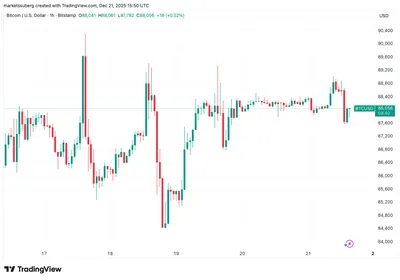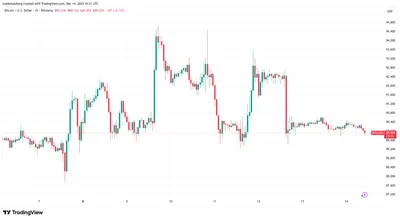
Bitcoin slid into multiday lows approaching the weekly close as traders prepared for a week of macroeconomic uncertainty. Data from TradingView showed a 1.6% loss for BTC/USD, with the pair reaching $87,471 on Bitstamp, while CoinGlass reported that long positions made up the majority of 24‑hour crypto liquidations that passed $250 million.
Bitcoin Price Decline and Market Volatility
The market softened as downside risks outweighed upside catalysts for the near term, leaving bulls on the defensive. Several trading accounts and resources pointed to concentrated leverage and rising market nerves as contributors to the sell‑off, with notable liquidations occurring during the weekly close.
Macroeconomic Factors Impacting Bitcoin
- The Kobeissi Letter attributed part of the market weakness to the prospect of another US government shutdown in the coming days.
- President Donald Trump has threatened 100% tariffs on Canada, a development traders cited when assessing short‑term risk sentiment.
- The Federal Reserve’s decision on interest rates is due Jan. 28, and the latest estimates from CME Group’s FedWatch Tool put the odds of a minimum 0.25% cut at just % at the time of writing.
Trader Insights and Market Analysis
Some traders flagged technical pressure inside the short‑term trading range, noting a loss of the mid‑range as a bearish sign for continuation lower. CrypNuevo, eyeing exchange order‑book liquidity, put bulls’ line in the sand at $86,300 and warned that a drop to the low $80s remained a likely scenario if current conditions persisted; this view echoes recent commentary on key levels on Jan 15.
Observers also noted a jump in open interest heading into the weekly close, a pattern traders watch before major macro events; for background on similar shifts in derivatives activity see open interest changes. On a more optimistic note, Michaël van de Poppe highlighted a potential bullish divergence on BTC/XAG after gold and silver printed record highs, offering a technical counterpoint to the bearish momentum.
Почему это важно
Для майнера в РФ, у которого от одного до тысячи устройств, краткосрочные падения цены могут повлиять на выручку при продаже добытого BTC, особенно если доходность близка к порогу окупаемости. Одновременно сильные ликвидации и рост волатильности способны временно сократить ликвидность на биржах и увеличить проскальзывание при обмене монет, что стоит учитывать при планировании продаж.
При этом основные производственные факторы майнинга — тарифы на электричество, стабильность оборудования и доступность интернета — от этой новости напрямую не изменились. Если у вас есть резерв по мощности или гибкость в графике продаж, выстраивание более консервативной стратегии может помочь выдержать рыночные колебания.
Что делать?
Оцените текущую маржинальность майнинга с реальными затратами на электричество и обслуживанеe оборудования, и при необходимости скорректируйте план продажи добытого BTC. Подумайте о распределении продаж по времени, чтобы не попадать под периоды высоких проскальзываний, и держите часть выручки в резерве для покрытия расходов в периоды низкой цены.
Также проверьте надёжность инфраструктуры: обновите резервные копии кошельков и подтвердите доступ к аккаунтам на биржах и пулах, чтобы быстро реагировать при резких изменениях рынка. Наконец, следите за ключевыми событиями, упомянутыми в этой заметке — правительственные риски, тарифные угрозы и решение ФРС — и держите план действий, если один из факторов начнёт оказывать более сильное влияние на рынок.