New CryptoQuant data shows that January’s US winter storm significantly reduced Bitcoin production at publicly traded miners as operators curtailed power use amid grid stress. Before the storm, daily output among tracked firms typically ranged between 70 and 90 BTC; during the height of the disruption it fell to roughly 30 to 40 BTC per day. The pullback was described as temporary and largely voluntary, and production later showed partial signs of recovery as conditions improved.
US Winter Storm Impact on Bitcoin Mining Production
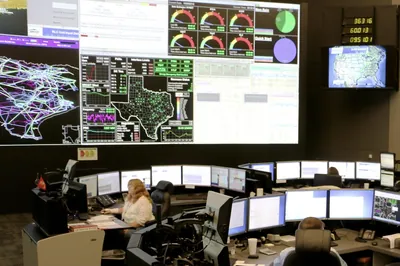
The storm swept across large parts of the continental United States, prompting miners to curtail operations amid snow, ice and extreme cold and highlighting the sector’s exposure to energy-market conditions. CryptoQuant’s figures capture a sharp drop in aggregated daily production for the group of publicly traded miners it tracks, from the pre-storm 70–90 BTC/day range down to roughly 30–40 BTC/day at the storm’s peak. As weather and grid stress eased, production moved up from those lows, which suggests many operators had chosen temporary, voluntary reductions rather than prolonged shutdowns.
Key Mining Companies Affected
CryptoQuant’s list of tracked miners includes Core Scientific (CORZ), Bitfarms (BITF), CleanSpark (CLSK), MARA Holdings (MARA), Iris Energy (IREN) and Canaan (CAN). Several of these firms — notably Core Scientific, CleanSpark and MARA — have significant US operations and routinely participate in grid-curtailment programs that can require reducing consumption during periods of stress. The data therefore reflects both weather-related access issues and coordinated curtailments tied to grid conditions.
Broader Industry Challenges
The winter storm disruption occurred against a backdrop of broader pressures on miners, including declining Bitcoin prices, falling network hashrate and rising operating costs through 2025. Industry coverage has described the recent period as an especially difficult margin environment, citing higher energy costs, capital constraints and revenue compression after the halving. Those structural headwinds mean weather-driven interruptions can compound already tight profitability for many operators.
Energy Market Dependency
The episode reinforced that mining activity is increasingly linked to energy-market dynamics and grid stability, with load balancing and demand-response roles coming to the fore during extreme events. Grid stress in the storm forced reductions in power use, testing miners’ ability to scale consumption down quickly and demonstrating vulnerabilities when multiple sites face severe weather simultaneously. Earlier reporting also tracked related hashrate movement during the same storm, underscoring the operational knock-on effects of grid-constrained periods; see the CryptoQuant data and coverage of the hashrate drop for more detail.
Why this matters
For an individual miner in Russia operating from a home or small facility, the US storm is a reminder that external events can quickly hit production even when hardware is operational. When grid stress or extreme weather affects your power source, you may face voluntary or mandatory reductions that lower daily BTC output and short-term revenue. The fact that production recovered after conditions improved suggests many curtailments were temporary, but repeated or prolonged grid events would still reduce earnings over time.
What to do?
- Monitor power and hashrate: keep a close eye on local utility alerts and your pool/dashboard metrics so you spot drops in production quickly and can attribute them to external issues.
- Prepare automated responses: configure safe shutdowns, temperature limits and restart sequences for your rigs to reduce hardware risk during grid instability or extreme cold.
- Stagger and diversify loads: if you run multiple devices, schedule some to pause during peak grid stress periods or distribute machines across different feeds where possible to lower the chance of simultaneous curtailment.
- Maintain basic redundancy: have UPS/backup power for safe shutdown and keep spare components on hand to reduce downtime after weather-related incidents.
- Track production trends: keep records of daily BTC output so you can see whether dips are one-off weather events or part of a broader decline that affects operational planning.