Binance is considering bringing tokenized stock trading back to its platform after stopping the service in 2021 amid regulatory scrutiny. The exchange previously offered stock tokens that represented shares of public companies and later suspended the product. Binance has said it is committed to bridging traditional finance and crypto, noting recent steps in tokenized real-world assets and TradFi products settled in stablecoin.
Binance's Plan to Reintroduce Tokenized Stock Trading
Binance first launched a stock token service in April 2021, initially listing tokens tied to Tesla and then adding other names. That offering attracted questions from regulators and was shut down a few months later. Now the company is exploring whether to offer tokenized equities again, framing the move as part of ongoing work to build infrastructure and partner with traditional institutions.
What Are Tokenized Stocks?
Stock tokens are digital representations of shares in public companies that exist on a blockchain rather than as conventional certificates. They can mirror the real-time price of the underlying share and allow investors to buy fractional amounts instead of whole shares, with ownership and settlement recorded on-chain. For users, that means access to fractional exposure and blockchain-based settlement, while the token aims to track the underlying stock's price.
Regulatory Challenges and Industry Trends
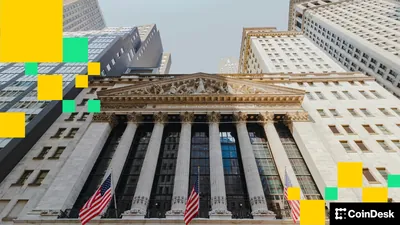
The 2021 rollout ran into regulatory scrutiny from authorities including the U.K.'s Financial Conduct Authority and Germany's BaFin, which questioned whether the tokens violated securities laws, and Binance subsequently halted the product. Interest in tokenized stocks has persisted despite those hurdles: exchanges such as OKX are also looking into the space, and traditional venues like the New York Stock Exchange and Nasdaq have sought regulatory approval to offer stock token products.
Parallel to exchange activity, Coinbase has explored offering stocks onchain, and debates over market-structure rules have touched tokenized offerings. Coinbase CEO Brian Armstrong publicly opposed a crypto market structure bill as written, calling for changes to allow exemptions for certain tokenized products from standard securities rules.
Binance's Commitment to Bridging TradFi and Crypto
A Binance spokesperson told reporters the exchange has supported tokenized real-world assets since last year and recently launched regulated TradFi perpetual contracts settled in stablecoin. The spokesperson framed exploring tokenized equities as a natural extension of those efforts and of Binance's work to develop infrastructure and partnerships with traditional institutions.
Those recent initiatives are part of Binance's stated push to expand user choice while aiming to meet regulatory expectations. Readers can compare this context with Binance's broader outlook in the Binance 2026 forecast and with the exchange's moves into regulated markets such as its regulated futures.
Industry Reactions and Future Outlook
Market participants across crypto and traditional finance are active in the tokenization space, and several firms are pursuing tokenized stock initiatives in parallel. OKX has signalled interest, and major U.S. exchanges have sought approval to launch stock token products, reflecting sustained attention to tokenized equities even after the earlier regulatory pushback.
Stakeholders continue to discuss how existing rules apply to tokenized offerings, and industry leaders have challenged regulatory proposals they see as potential barriers to product launches. For readers tracking this topic, developments in regulation and exchange product plans will be the primary drivers of what becomes available to users.
Why this matters
If you run mining rigs in Russia—whether a single machine or hundreds—tokenized stocks matter mainly as a potential new product on major exchanges. Tokenized equities represent a different way to gain exposure to public shares via blockchain-based instruments, and their return or wider availability would expand the set of tradable assets on platforms miners may already use.
At the same time, the earlier shutdown shows that regulatory decisions determine availability. That means any actual product relaunch could be limited by legal conditions rather than technical readiness, so miners should treat tokenized stocks as a possible option but not a guaranteed change to everyday operations.
What to do?
- Follow regulatory news and exchange announcements so you know whether tokenized stocks become available on platforms you use.
- Ensure your accounts meet KYC and compliance requirements, since tokenized equity products are likely to involve stricter checks.
- Keep asset allocation flexible: view tokenized stocks as one of several instruments rather than a replacement for mining income.
- Read exchange disclosures carefully if tokenized products appear, paying attention to how on-chain tokens map to underlying shares and custody arrangements.