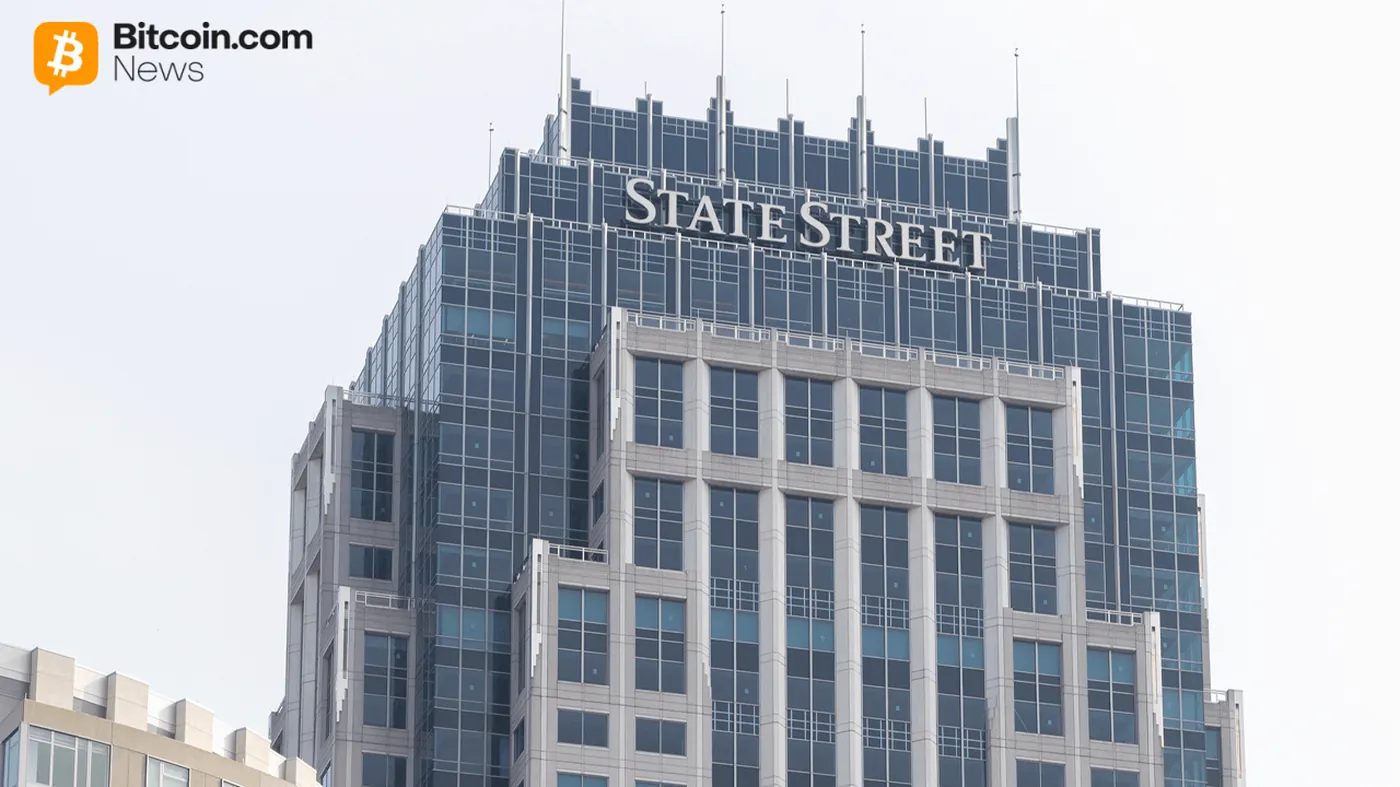
State Street Corp., the Boston-based custody bank that oversees more than $4 trillion in assets, said it will roll out a suite of tokenized financial products aimed at institutional clients. The plan covers tokenized versions of money-market funds, exchange-traded funds and cash products such as tokenized deposits and stablecoins, and the bank frames the work as part of an integrated platform bridging traditional finance and digital infrastructure.
State Street's Tokenization Initiative
The announced tokenized offerings are intended to place traditional financial instruments onchain, with stated benefits including faster settlement, the possibility of continuous trading and improved operational efficiency. While the bank outlined these goals publicly, it has not released product names or technical specifications, keeping details about architecture and exact mechanics undisclosed.
Target Clients and Market Impact
State Street positions the products for institutional investors and asset managers that need blockchain-compatible versions of cash and fund instruments. The move aligns the bank with other custody providers expanding into tokenization, and observers note similar efforts from rivals in the custody space; compare this with BNY Mellon's approaches to tokenized deposits for institutional clients in related coverage on our site BNY Mellon tokenized deposits.
Timeline and Future Plans
The rollout is part of a broader timetable from State Street: the bank has indicated that broader crypto custody services are expected to launch in 2026. One named initiative is the State Street Galaxy Onchain Liquidity Sweep Fund, described as a tokenized private liquidity product scheduled to debut on the Solana blockchain early next year; beyond that, State Street says it is working with technology providers and asset managers to support the effort.
Почему это важно
Если вы майните в РФ с 1–1000 устройств, то прямо сейчас эта новость не меняет ваши операции — State Street ориентируется на институциональных клиентов и продукты, связанные с фондами и депозитами. При этом появление инфраструктуры, которая связывает банковские rails и блокчейны, означает, что в будущем крупные рыночные участники могут быстрее вводить на рынок токенизированные инструменты, которые облегчают перевод денег между традиционной и цифровой экосистемой.
Что делать?
Для майнера с небольшим парком майнинг-оборудования полезно следить за развитием инфраструктуры и условиями хранения ликвидности, даже если это не влияет на добычу напрямую. Проверьте, как вы храните вырученные рубли или валюту и есть ли у вас доступ к банковским продуктам, которые вы считаете критичными; появление токенизированных депозитов и стейблкоинов может в будущем изменить способы перевода и использования средств.
Если вы хотите понять роль цифровых денег в институциональной экосистеме, обратите внимание на материалы о стейблкоинах и их роли в финансовой инфраструктуре, доступные на нашем сайте stablecoins infrastructure. Это поможет оценить, когда такие продукты могут стать релевантны для ваших операций и переводов.