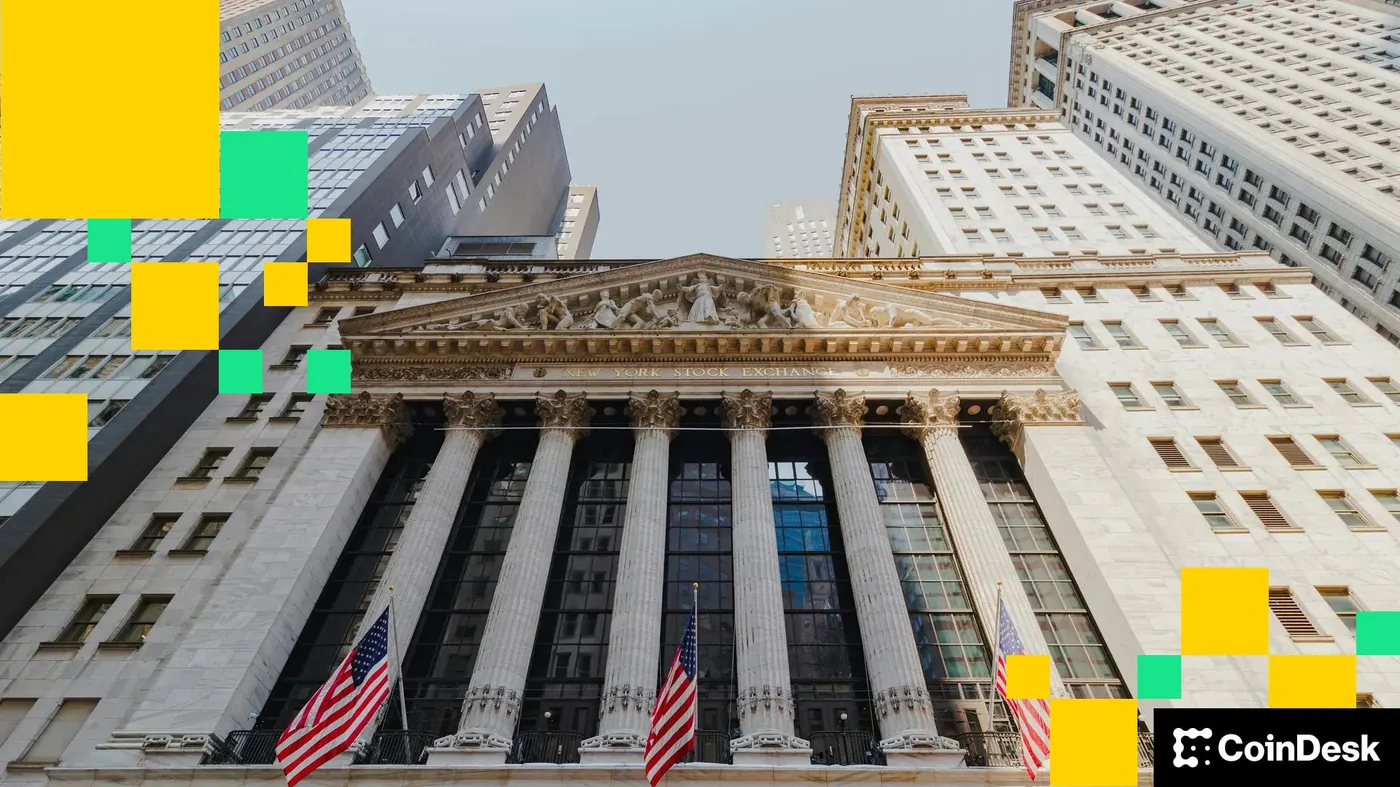
The New York Stock Exchange (NYSE) announced plans to introduce an around-the-clock, blockchain-based venue for trading tokenized stocks and exchange-traded funds. The company says the platform will combine NYSE matching technology with private blockchain networks to enable real-time tokenized securities trading. Key features highlighted include 24/7 operations, instant settlement, orders denominated in dollar amounts, and stablecoin-based funding.
NYSE Announces 24/7 Blockchain Trading Platform
The new NYSE venue is intended to support trading of tokenized shares that are fungible with traditionally issued securities, as well as tokens issued natively as digital securities. According to the announcement, tokenized shareholders will continue to participate in traditional shareholder dividends and governance rights, preserving familiar investor protections. The company said it is seeking regulatory approval for the platform with plans to launch later this year.
Technology and Infrastructure Behind the Platform
NYSE executives described a hybrid design that uses the exchange's matching engines alongside private blockchain networks to settle tokenized trades in real time. This approach aims to marry existing market infrastructure with onchain mechanics so trades can clear and settle more quickly while remaining compatible with current systems. ICE also plans to ready its clearing infrastructure to support continuous trading and explore the use of tokenized collateral as part of that setup.
To help clearing members move and manage funds outside normal banking hours, ICE said it is working with banks including BNY Mellon and Citi to support tokenized deposits across its clearinghouses. That collaboration is intended to address funding and margin needs across different time zones and jurisdictions by enabling programmable, tokenized funding flows; see more on the tokenized deposits initiative.
Benefits for Investors and Market Participants
The platform is described as offering continuous market access, which could reduce settlement latency through instant onchain settlement and enable orders sized in dollar amounts rather than share lots. By keeping tokenized shares fungible with traditional securities and preserving dividends and governance rights, the venue aims to provide familiar legal and economic characteristics for holders. Distribution is planned to follow non-discriminatory access for qualified broker-dealers, aligning the design with established market-structure principles.
Competitive Landscape: NYSE vs. Nasdaq
NYSE positions this initiative alongside broader industry moves toward extended trading hours; its main U.S. competitor, Nasdaq, has announced plans to facilitate nearly round-the-clock trading for stocks and ETPs. Both exchanges frame their projects as responses to increasingly global market participation and the need to serve investors across time zones. For additional context on market players pursuing extended trading, see the piece on Nasdaq plans.
Broader Implications for Financial Markets
ICE describes the NYSE platform as one component of a broader strategy to operate onchain market infrastructure covering trading, settlement, custody, and capital formation. If implemented as described, the project would bring together exchange matching, private blockchains, and tokenized funding mechanisms to support continuous markets. The company is pursuing regulatory approval before launch and is coordinating with banks and clearinghouses to handle funding and margin requirements in a 24/7 environment.
Why this matters
For a miner in Russia running from a single device to several hundred, this announcement is unlikely to change day-to-day mining operations directly, since it concerns securities trading infrastructure rather than crypto mining. At the same time, features such as stablecoin-based funding and around-the-clock settlement signal growing integration between traditional finance and tokenized assets, which may gradually affect crypto liquidity and onchain payment rails. The work with banks to enable tokenized deposits also indicates that some settlement and funding processes may become more continuous and interoperable across time zones.
What to do?
Keep monitoring developments around tokenized markets and custody to understand how exchanges and banks plan to handle onchain assets, since those changes could affect liquidity and payment options over time. Review where you store and move any tokens or stablecoins, and confirm custody and withdrawal procedures with your exchange or wallet provider to avoid surprises if market infrastructures evolve. Finally, maintain standard operational hygiene: ensure reliable backups, monitor power and network reliability for your rigs, and factor in any changes to fiat or stablecoin onramps if you use exchange services.
For more on how exchanges and banks are preparing tokenized funding, and how listings in crypto-related markets are evolving, see related coverage on NYSE crypto listings and the tokenized deposits initiative.