The debate over quantum computer threats to the Bitcoin ecosystem has escalated into a public dispute between Adam Back and Nic Carter. Back criticizes Carter for what he calls amplifying alarm about the quantum threat, while Carter explains his actions through investments in the protective startup Project Eleven. Other public figures also participate in the discussion: Charles Edwards warns of risks in the coming years, while Kevin O’Leary considers attacks using quantum computers ineffective.
Adam Back's Criticism of Nic Carter
Reasons Behind Adam Back's Criticism
Adam Back stated that public statements that heighten concerns about quantum threats "do not help" the Bitcoin community and create unnecessary noise. He emphasized that the community is not abandoning research and development of protective measures but is conducting such work in a more closed or calm manner. Back expressed this position in response to Carter's explanation of his investment in Project Eleven.
Nic Carter's Response to the Accusations
Nic Carter defends his stance: he explained why he invested in Project Eleven and noted that he has detailed this in his publications. Carter claims that many developers remain in "complete denial" regarding the risks quantum computers pose to Bitcoin, which is why he decided to act by investing in protective technologies. His messages also state that the decision was based on a conviction of potential danger.
Castle Island Ventures' Investment in Project Eleven
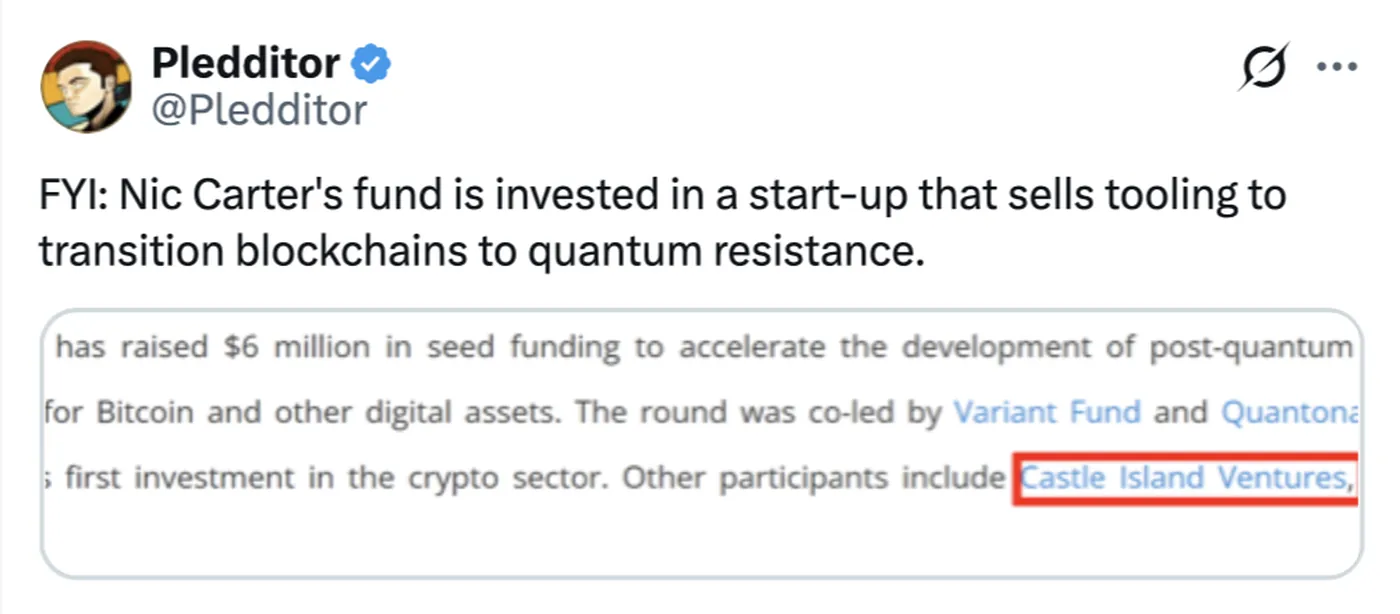
Castle Island Ventures, involving Carter, invested in Project Eleven—a startup that claims to focus on protecting Bitcoin and other crypto assets from quantum threats. Carter emphasized the transparency of his actions and reported his financial involvement in the project in public posts. This investment became one of the reasons for the public dispute within the community.
Experts' Opinions on Quantum Threats
Charles Edwards' Position on the Threat Timeline
Charles Edwards publicly warned that quantum computers could pose a real threat to Bitcoin within the next several years. In his assessment, this timeframe ranges from two to nine years if the network does not transition to quantum-resistant algorithms. This message increased attention among part of the community regarding the urgency of protection.
Kevin O’Leary's View on Attack Ineffectiveness
Contrary to alarming forecasts, Kevin O’Leary expressed the opinion that using quantum computers to breach Bitcoin's security would not be the most effective application of the technology. He points to alternative, more practical areas for quantum computing where it can bring greater value. This perspective adds an argument to the discussion about priorities in quantum technology development.
Adam Back's Assessment of Community Preparedness
Adam Back acknowledged the need to prepare for quantum threats but emphasized that the technology is still at an early stage and accompanied by research and development challenges. According to him, the Bitcoin community is conducting relevant work but not as publicly as some critics would like. This position aims to temper the panic that has emerged in the discussion.
Current State of Research on Quantum Threats
Bitcoin Community's Work on Protection
The discussion includes both private investments in quantum security projects and individual public statements by experts about the timing and scale of possible threats. Some ecosystem participants assert that research and preparation are underway, while others insist on a more open and urgent approach. For a detailed analysis of opinions and risks, you can read materials on quantum threats to Bitcoin, where different scenarios of quantum technology impact are discussed.
Investments in Quantum Security Startups
Investments in projects like Project Eleven represent an interest in practical solutions for protecting crypto assets. Carter explained that he invested in the project after being convinced of real risks and emphasized the transparency of his actions. These private initiatives complement community research and commercial developments in security.
Industry Plans and Discussions
The discussion includes both public warnings from individual figures and skeptical assessments of the prospects for using quantum computers to attack cryptography. Overall, this leads to divergent positions and stimulates further research. For broader context, expert materials on risks and scenarios of quantum threats to Bitcoin can be reviewed.
Why This Matters
If you mine at home or manage a small farm, the current public debate itself is unlikely to require urgent technical actions. Nevertheless, the dispute shows that part of the industry considers quantum threats a real subject for research and investment, meaning discussions and developments in this area will continue. For miners, this means staying updated on protocol changes and community recommendations, even if there is no immediate danger now.
What to Do?
For miners with 1–1000 devices, simple practices are useful: regularly update node and wallet software, monitor official releases and developer recommendations, and maintain transparency regarding the services used. There is no need for urgent technical migration or purchasing special equipment based on current debates—the experts' arguments and assessments remain varied.
Finally, keep your information sources under control: public discussions, official developer announcements, and materials on quantum security will help you make informed decisions for your mining operations.