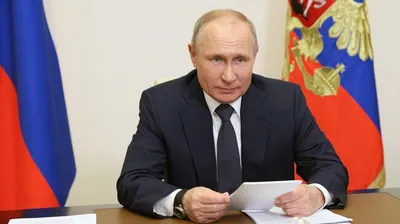
Deputy Prime Minister Alexander Novak announced government plans to introduce administrative and criminal liability for violations related to cryptocurrency mining. This statement was made at the meeting of the Council for Strategic Development and National Projects and reflects the intention to legally regulate digital currency circulation and mining-related responsibilities.
Government Plans for Mining Regulation
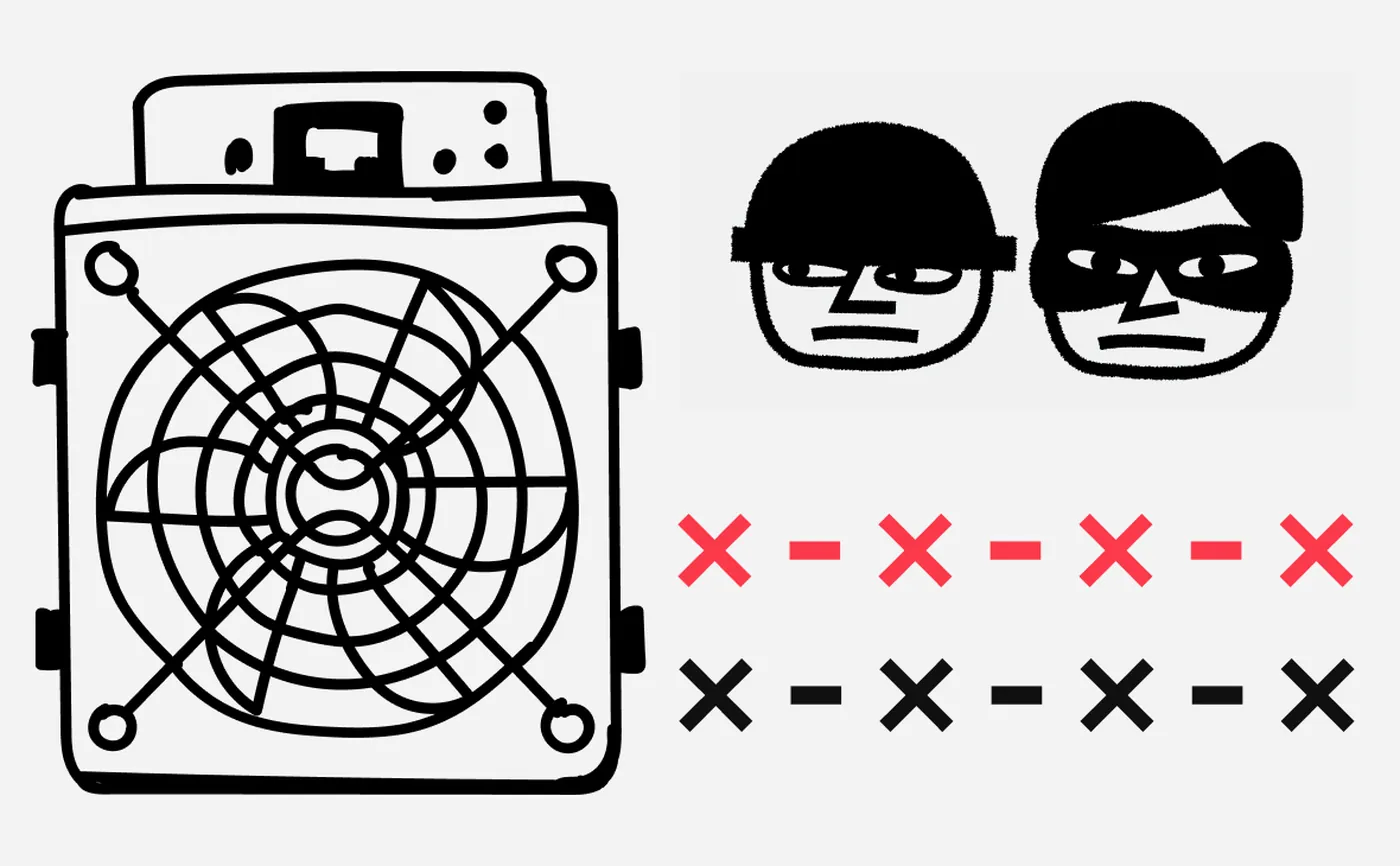
Novak revealed that authorities intend to enshrine both administrative and criminal liability for violations in cryptocurrency mining within legislation. The focus is on formalizing digital currency circulation rules and establishing mechanisms to penalize mining-related violations, including cases where damage exceeds administrative sanctions.
Legal Opinions on the Need for Criminal Liability
Lawyers note that criminal liability makes sense when mining causes significant harm to public relations or the power grid, and other legal measures prove insufficient. According to Yuri Brisov, partner at Digital & Analogue Partners, a targeted criminal statute addressing major damage to the power system would close gaps without duplicating existing provisions.
Brisov also compares approaches with foreign practices: in the US, Germany, and France, mining is rarely singled out as a separate crime; instead, existing laws on energy theft and infrastructure damage are applied. This experience shows the issue can be addressed through a combination of existing statutes.
Criteria Distinguishing Administrative and Criminal Liability
Denis Polyakov, head of the "Digital Economy" practice at GMT Legal, explained that in the Ministry of Digital Development’s proposals, "illegal mining" is defined as cryptocurrency mining in Russia without inclusion in the official registry. To recognize a violation, it is sufficient to prove mining activity without registration in the corresponding registry.
The Ministry’s draft initially included fines ranging from 200,000 to 400,000 rubles for individual entrepreneurs and from 1 to 2 million rubles for legal entities; however, these amounts were later removed from the bill. Polyakov notes that applying identical administrative sanctions to both minor and major violators seems unfair, so distinguishing by scale of damage and mining volume should determine appropriate measures.
Current Situation with Mining Legalization in Russia
Mining has been legalized in Russia, and the process of "whitening" the industry has begun, but the share of registered participants remains small—only about 30% of miners officially register. Market participants point out that a major problem is the lack of a mechanism to legalize equipment previously imported through "gray" schemes, which prevents some miners from formalizing their activities.
For an example of how the legal framework around mining and liability is evolving, you can review the material on criminal liability in practice and publications on how miners should comply with the law under other requirements.
Why This Matters
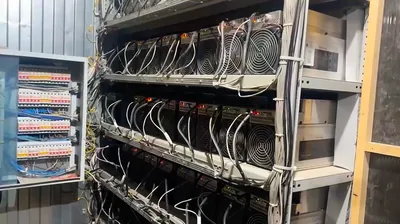
Whether you mine solo or operate a farm with up to a thousand devices, the distinction between administrative and criminal liability directly affects the risk of your actions. For small home setups, administrative fines are usually sufficient, as noted by lawyers, whereas large illegal farms may face criminal prosecution due to damage to power networks.
Additionally, owning unregistered equipment or connecting to power grids without permits increases the likelihood of attracting regulatory attention. Understanding the criteria to meet and possible consequences will help choose a safe path for legalization and operation.
What to Do?
- Check if you need to register: if you mine cryptocurrency at a significant scale, registration reduces the risk of administrative claims.
- Keep records of mined currency and equipment documents: this will assist during inspections and in fulfilling reporting requirements to the Federal Tax Service.
- Avoid unauthorized connections to power grids and other schemes that could damage infrastructure—such actions increase the risk of criminal prosecution.
- If you have a large farm or plan to expand, consult a digital economy lawyer to assess legal risks and registration options.
- Monitor legislative changes and Ministry of Digital Development drafts: potential amendments regarding liability distinctions will affect requirements for miners and infrastructure operators.
In Brief
Novak’s statement and legal discussions signal an intent to regulate mining liability. For most home miners, administrative measures suffice, while large illegal farms may face stricter consequences.