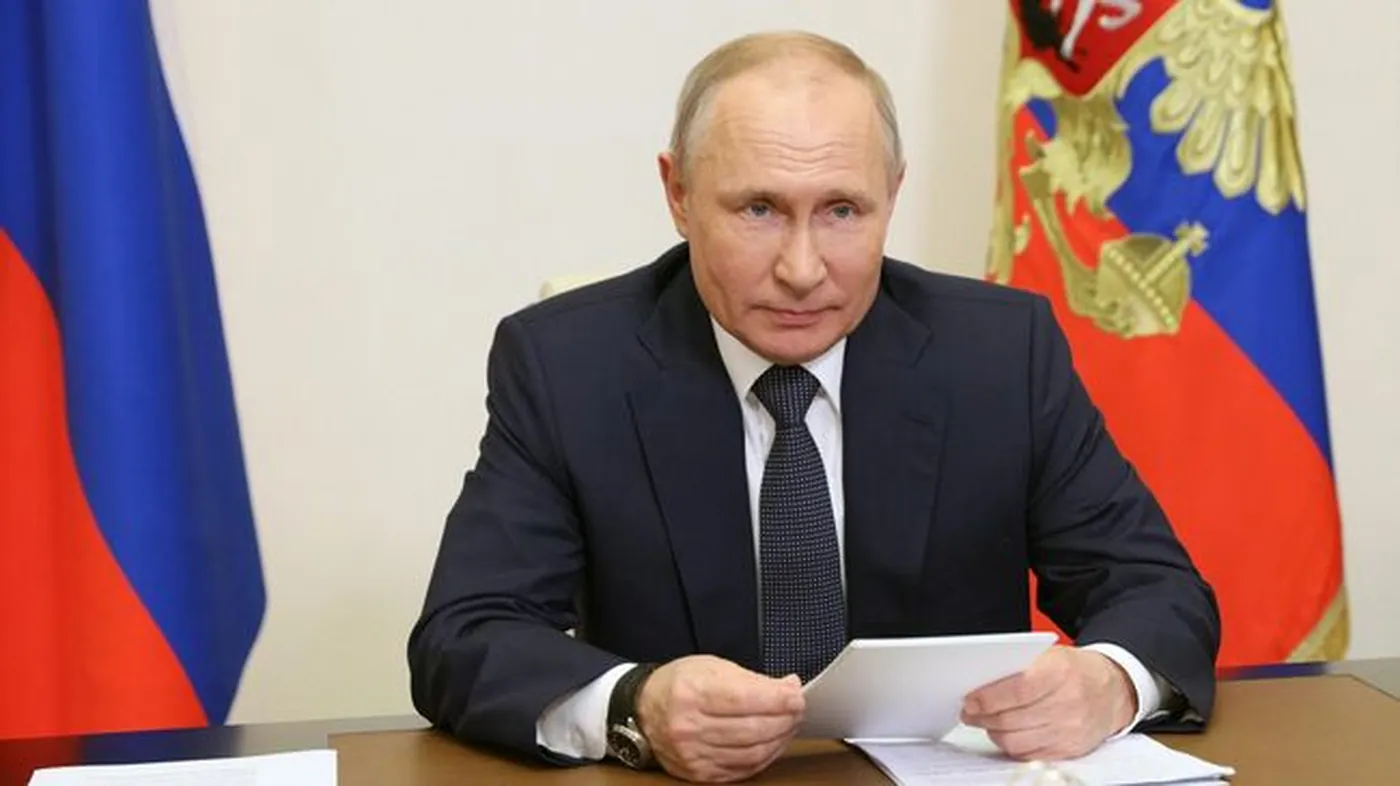
Russian President Vladimir Putin emphasized the need for timely systemic decisions to regulate digital currency mining, stating explicitly: "Here, it is necessary to adopt the right timely decisions, including systemic ones, at the level of a federal law." In his address, he recalled that directives had already been issued to regulate this sector, including taxation and tariff mechanisms. This statement was made during an economic meeting held via videoconference, as reported by RIA Novosti on July 17.
What Putin Said: Key Points
The main message of the speech is the necessity of federal regulation of digital currency mining through systemic solutions. He emphasized that directives had previously been given on this matter and highlighted taxation and tariff policies as key issues. This focus indicates that regulators will be tasked with developing legislative and economic tools to control the industry.
Context of the Statement: Where and When It Was Made
The statement was made in Moscow on July 17 and documented in a RIA Novosti release; the event format was an economic meeting via videoconference. The format itself points to the involvement of federal authorities in discussing measures affecting energy and the economy. These details clarify that this was not a personal opinion but a directive for government action.
Risks to Networks and Projects — What the President Warned About
Putin warned that if mining farms "occupy" available capacity, power supply interruptions could occur for new enterprises, residential areas, and social facilities. As a result, promising investment and infrastructure projects could be temporarily suspended. This issue is directly related to the distribution and reservation of capacity in power grids; see the article on power shortages, which discusses related risks.
Proposed Government Solutions: Taxes and Tariffs
The president indicated that regulation should include taxation and tariff policies as important tools to influence the industry. The goal is to define frameworks for taxes and tariffs at the federal law level that consider the interests of the energy system and social needs. For more details on fiscal and regulatory practices in the crypto sector, see the article on mining taxation.
What This Means for Business and Residents
For companies and private miners, this message suggests that formalization of rules and changes in tax and tariff practices may occur soon, as directives have already been formulated. The main risk highlighted by the president is competition for available capacity, leading to power supply interruptions and delayed projects. Regional operators and energy companies will likely participate in discussions on capacity control mechanisms and tariffs.
Why This Matters
If regulation is implemented as proposed, it will directly affect miners' costs and operating conditions, since tax and tariff policies impact production expenses. Additionally, control over capacity distribution may limit the deployment of new farms in areas with limited available energy, affecting electricity availability for household and social needs. For residents and businesses, this means mining issues extend beyond the IT sector and become part of energy and investment policy.
What to Do?
- Monitor official announcements from federal authorities and regional energy providers about new rules and directives—this will help anticipate potential changes in taxation and tariffs.
- Assess current consumption and capacity reserves: understand how much your equipment depends on "available capacity" in your region and the risks related to its redistribution.
- Consider contractual or technical options to protect against outages (contracts for reliable power supply, UPS, etc.) and plan investments considering possible tariff changes.
- Prepare documentation and data on capacity and consumption to respond promptly to regulator requirements and tariff adjustments if needed.