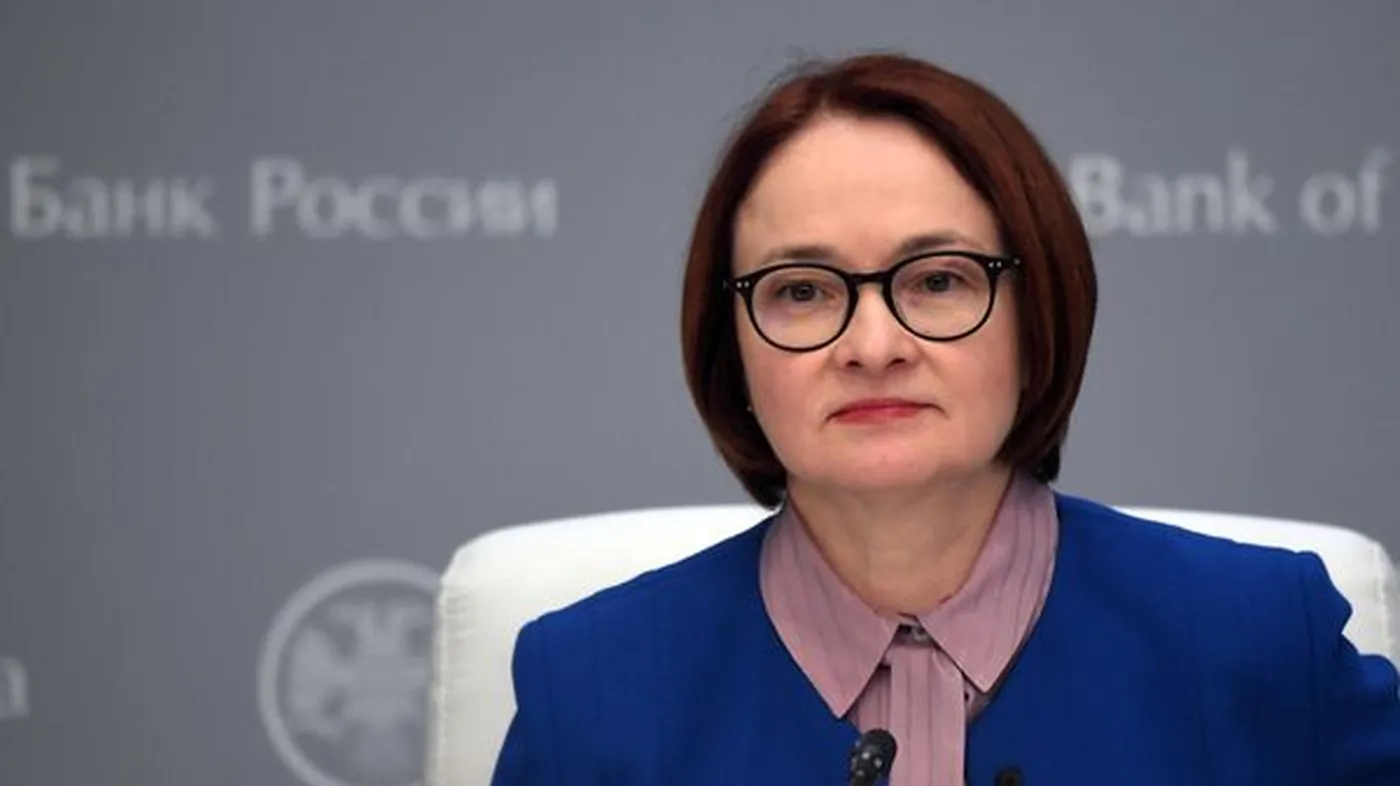
Elvira Nabiullina, head of the Bank of Russia, stated that cryptocurrency mining is one of the factors contributing to the strong ruble. These remarks were made during a press conference and published by the PRIME agency under the headline "MOSCOW, Dec 19 - PRIME.".
Key Statement
In general terms, Nabiullina noted that cryptocurrency mining acts as one of the additional factors supporting the ruble's strength. However, she emphasized that it is currently impossible to quantitatively assess the impact of this activity on the currency exchange rate.
What Exactly Did Nabiullina Say (Quotes)
Nabiullina explicitly stated: "It is difficult to quantitatively assess its impact right now because a significant portion of mining still operates in a gray area." She also added: "But in any case, this mining did not appear this year. So, the ruble's strengthening cannot be linked specifically to a sharp increase in mining." Concluding her remarks, the head of the Central Bank said: "There is probably some increase. Nevertheless, mining is indeed one of the additional factors contributing to the strong ruble" — these phrases were spoken during the press conference.
Why Is It Difficult to Assess Mining's Impact
The main reason for the difficulty, according to Nabiullina, is that a significant part of mining operates in the "gray area," limiting access to reliable data. As a result, the Central Bank and other market participants find it challenging to perform precise calculations and separate the mining effect from other factors influencing the exchange rate.
Context and Historical Background
Nabiullina emphasizes that mining did not emerge this year, so linking the ruble's strengthening solely to its possible growth is not justified. For readers following regulatory changes and legalization discussions, it is useful to recall previous materials on the topic, including mining legalization and related assessments.
Why This Matters
For miners in Russia, even small changes in the regulator's perception of the sector can influence discussions about rules and requirements, as well as the industry's reputation. At the same time, current Central Bank statements do not indicate that mining is the main driver of the ruble's exchange rate; it is just one of several factors.
What to Do?
If you mine at home or manage a farm with up to a thousand devices, it is advisable to act cautiously and systematically, relying on verified data and formal requirements. Below are practical steps you can consider right now.
- Monitor official statements and publications from regulators to respond quickly to changes in rules and requirements.
- Assess operational risks: consider mining's impact on costs and your region's electricity supply, including possible local restrictions and power shortages.
- Document your activities and keep records of expenses and revenues to confirm your status and operation volumes to counterparties or regulatory authorities if needed.
These steps will help maintain operational stability and adapt faster to regulatory changes, even if mining's impact on the ruble remains partially unquantified.