The price of gold has climbed to a new all-time high of $4,384.90 per ounce, with the spot price currently at $4,380.74, up 0.97% from the previous close. This milestone serves as a significant signal for investors in both traditional and digital assets, reflecting strong demand for safe-haven instruments. In this article, we explain the reasons behind this record surge, compare gold with Bitcoin, and provide practical recommendations for risk management.
Reasons Behind the Record Gold Price Surge
The primary driver of this increase is ongoing global economic instability, during which investors traditionally seek protective assets. At the same time, expectations of interest rate cuts have influenced the market, reducing the opportunity cost of holding non-yielding assets like gold and making it more attractive. The combination of these factors created sustained upward price pressure, helping gold break through previous resistance levels.
Gold vs. Bitcoin: Asset Comparison
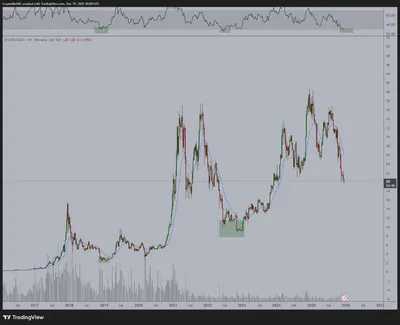
Gold’s record inevitably invites comparisons with Bitcoin, but increasingly these assets are seen not as direct competitors but as complementary portfolio tools. Both assets partially respond to macroeconomic factors—such as interest rate policy expectations—but do so differently, justifying diversification. For additional context, it’s useful to review data on the Bitcoin-to-Gold ratio, which reflects the relative strength of these assets.
What the Record Means for Investment Strategy
Breaking a historic high often attracts momentum buyers but can also precede partial profit-taking by some participants. Investors should avoid emotional decisions and align this event with their personal goals and investment horizon. It’s advisable to reassess asset allocation and consider gold’s role as a hedging element within the portfolio structure.
Forecasts and Possible Development Scenarios
The fundamental drivers supporting gold demand remain tied to economic uncertainty and rate expectations, maintaining potential for continued interest in the metal. However, changes in central bank policies or a sharp increase in market risk appetite could weaken this trend and lead to pullbacks. Market participants will monitor technical levels of support around previous highs and trading volume reactions to assess the technical picture.
Where to Track the Price
For live price monitoring, platforms like TradingView, as well as financial services Bloomberg and Kitco, provide current and historical gold data. Watching these sources helps make timely decisions, but it’s important to rely on your own strategy rather than short-term fluctuations or spikes.
Why This Matters for Miners in Russia
If you mine with one or multiple devices in Russia, the gold price record does not directly affect your technical operations but influences the broader capital allocation landscape—some investors may temporarily shift weights toward safe-haven assets. Gold price fluctuations rarely have an immediate impact on mining profitability but can affect capital markets and investor behavior, which in turn influence cryptocurrency liquidity and volatility.
What to Do?
- Evaluate your asset allocation: ensure the proportion of gold and cryptocurrencies aligns with your investment goals and horizon.
- Consider dollar-cost averaging when increasing exposure to reduce the risk of poor timing.
- Avoid making decisions under news pressure: plan actions in advance and stick to your predetermined trading and reinvestment discipline.
- Use reliable sources for prices and data—TradingView, Bloomberg, Kitco—and note key support and resistance levels for your decisions.
- If you operate a limited number of devices (1–1000), assess how current market events affect your financial obligations and liquidity reserves before adjusting operational settings.
Additional Materials
For a detailed outlook on precious metals forecasts, see the analysis and future price level assessments in the gold price forecast article. To compare the behavior of other metals, you can also review the article on silver in December 2025.