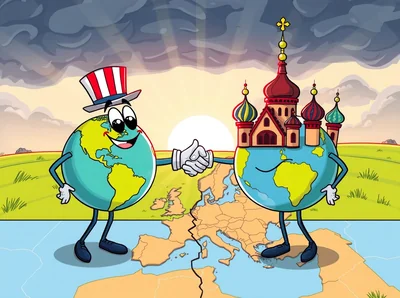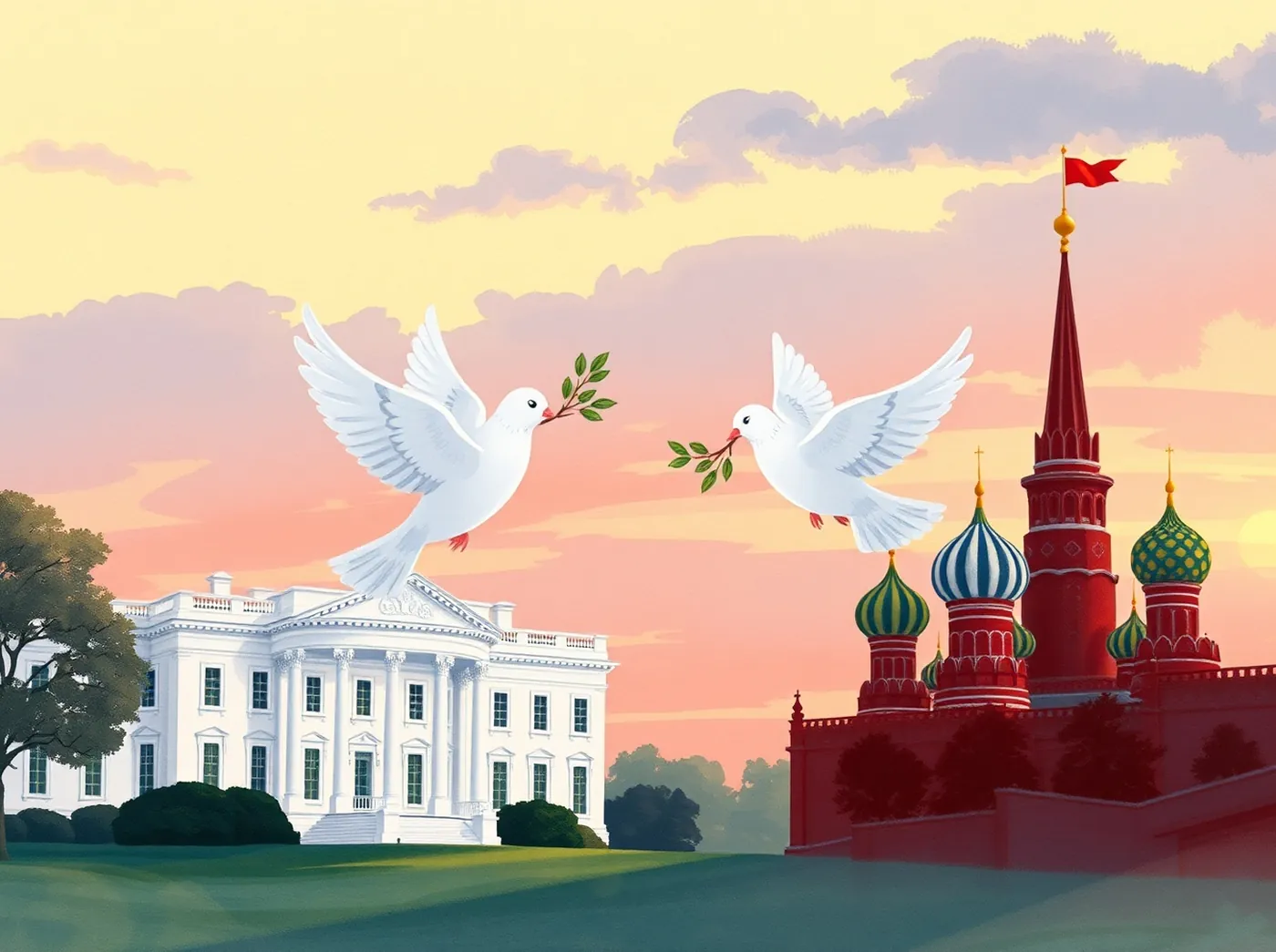
Former U.S. President Donald Trump said that Russian President Vladimir Putin has agreed in principle to participate in a newly proposed Peace Board. The report identifying Walter Bloomberg as the initial source has been central to coverage of the announcement. Key practical elements — including the board’s exact mandate and who would sit on it — have not been published, leaving many operational questions open.
Trump Putin Peace Board Announcement Details
The announcement centers on Trump’s statement that Putin consented to join a proposed diplomatic council meant to create a formal channel for dialogue between the two countries. Walter Bloomberg was the first outlet to report the development, which has since prompted commentary from analysts and former diplomats. Public information so far is limited: the board’s purpose is discussed in general terms, but its membership and formal authority are not defined.
Historical Context of US-Russia Diplomatic Engagements
Any new bilateral forum between the United States and Russia enters a long history of alternating cooperation and rivalry since the end of the Cold War. Previous initiatives have ranged from arms-control accords to regional security talks, and those precedents shape how observers evaluate new proposals. That legacy makes clarity on objectives and procedures especially important for any council that aims to operate effectively.
Expert Analysis on Diplomatic Implications
Commentators quoted in initial coverage underline how much will depend on implementation. Dr. Anya Petrova, a Senior Fellow at the Center for International Studies, warned that "the devil will reside in the details," stressing that mandate, membership beyond the two principals, and links to existing conflicts matter most. Former ambassador James K. Wilson emphasized the need for institutional backing, noting that initiatives without support from foreign-policy establishments risk remaining symbolic rather than practical.
Potential Impact on Global Conflict Zones
Analysts point to the ongoing situation in Ukraine as the most immediate and severe point of contention for the proposed board, and they mention other theatres where both countries have been involved. Whether the council would address specific conflicts or broader stability questions depends on its agenda and remit, which have not been set publicly. Observers say measurable steps and clear procedures would be necessary to translate any agreement in principle into concrete results on the ground.
Mechanics and Challenges of the Proposed Council
Observers identify several operational questions that must be resolved before the board could function effectively. These include the council’s legal status, how agendas would be set, who would participate beyond the two leaders, and what success metrics it would use. Without clear answers, a forum risks becoming a rhetorical platform rather than a mechanism for de-escalation.
- Define legal and diplomatic status (formal commission vs. informal dialogue).
- Agree procedures for agenda-setting and decision-making.
- Decide on representation mix: technical experts or political envoys.
- Establish measurable benchmarks to evaluate progress.
Почему это важно
Для майнера в РФ это заявление важно прежде всего как политический сигнал, а не как немедленное изменение в операциях майнинга. Пока нет подписанного формального соглашения и публично доступных правил работы совета, конкретных последствий для энергопотребления, инфраструктуры или регуляции напрямую не видно. Тем не менее стоит следить за развитием событий, потому что изменения в дипломатии могут впоследствии повлиять на международную политику и регуляторные решения.
Если вам нужен контекст по рискам, связанным с объектами электроэнергии и майнингом в зонах конфликтов, ознакомьтесь со статьёй о mining at Zaporizhzhia NPP, где обсуждаются специфические предложения и риски. Также полезно отслеживать меры по регулированию криптовалют в других юрисдикциях, например в США, через публикации о crypto regulation updates.
Что делать?
Поскольку пока речь идёт об объявлении принципиальной договорённости без подробностей, практические шаги майнера остаются базовыми и предпазливыми: поддерживайте работоспособность оборудования, следите за официальными сообщениями регуляторов и сохраняйте документацию по оборудованию и расходам. Это поможет быстро адаптироваться, если появятся новые правила или ограничения, связанные с внешнеполитическими сдвигами.
Рекомендуемые действия в краткой форме:
- Подписывайтесь на официальные источники и профильные издания для оперативных обновлений.
- Проверяйте локальные и международные новости о регулировании криптовалют и энергопотреблении.
- Ведите учёт техники и тарифов, чтобы иметь возможность оперативно оценить финансовые и технические последствия любых изменений.
В целом, объявление о предложенном Peace Board остаётся начальной стадией процесса: важны не заявления, а последующие договорённости о структуре и механизмах работы. Пока таких договорённостей нет, конкретных действий по смене майнинговой стратегии предпринимать на основании только этой новости не обязательно.