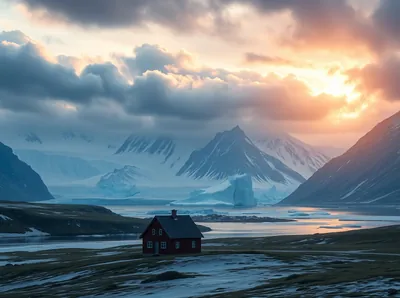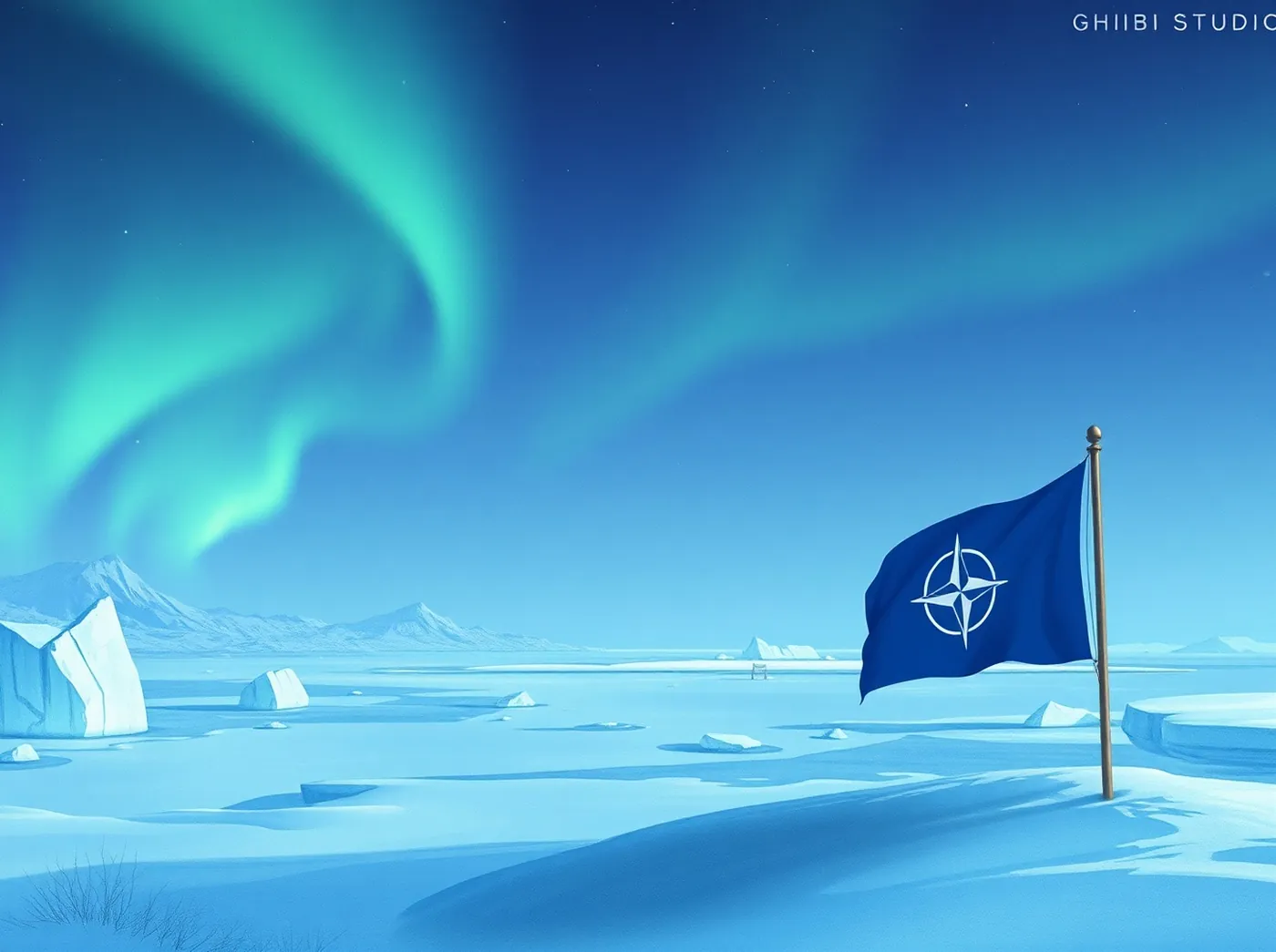
NATO allies have intensified discussions about creating a comprehensive Arctic security framework aimed at countering expanding Russian and Chinese activity in the polar region. The talks put special emphasis on collective security among the seven NATO members with Arctic territories and on closer cooperation with Denmark and the United States to limit economic or military footholds in Greenland. These conversations reflect a shift in how the alliance views the High North as strategic space requiring coordinated surveillance, infrastructure protection and joint exercises.
NATO's Strategic Focus on Arctic Security
The alliance frames the proposed framework as a defensive, legally compliant approach that prioritizes regional stability and the territorial integrity of member states. NATO officials describe the initiative as building on earlier ideas and concentrating on cooperation among seven Arctic NATO members: the United States, Canada, Denmark (via Greenland), Norway, Iceland, Sweden and Finland. In practice, the emphasis is on combining diplomatic coordination with improved military and maritime awareness in northern waters.
Key Components of the Arctic Security Framework
Discussions reportedly cover maritime surveillance, protection of critical infrastructure and more frequent joint exercises to improve interoperability. NATO stresses that the posture should remain defensive and aligned with international law while enabling faster information-sharing among allies. Practical steps mentioned include coordinated patrols and exercises designed to test northern response capabilities without implying offensive intent.
Historical Context and Strategic Importance of the Arctic
The Arctic has moved from a distant periphery to a zone of strategic competition as melting ice opens new passages and resource opportunities. The region contains substantial untapped energy reserves, including an estimated 13% of the world’s undiscovered oil and 30% of its natural gas, which contributes to its geopolitical importance. Those resource and access dynamics help explain why NATO and others are paying closer attention to northern security arrangements.
Greenland's Strategic Role in Arctic Security
Greenland is central to NATO’s Arctic calculations because of its geographic position between the North Atlantic and the Arctic Ocean and because it hosts the U.S. Thule Air Base, a critical early-warning radar site. The alliance has signalled a desire to strengthen cooperation with Denmark and the United States to prevent foreign economic or military footholds in Greenland. The island’s mineral potential also factors into strategic discussions about who controls access and infrastructure in the region.
Russian and Chinese Activities in the Arctic
Russia has markedly expanded its Arctic military presence over the past decade, reopening many Soviet-era bases and constructing new facilities. China, having declared itself a 'near-Arctic state' in 2018, pursues scientific, economic and strategic activities in polar areas. NATO frames its renewed focus in part as a response to these concrete developments by Moscow and Beijing.
Challenges and Implementation of NATO's Arctic Security Framework
Creating an effective framework faces several practical hurdles: NATO members have different threat perceptions and economic interests, operations in the Arctic require specialized equipment and training, and planning must balance security tasks with environmental protection. The alliance has already conducted major northern exercises to improve readiness, notably Cold Response 2022, which involved forces from many nations. Coordination with newly joined members and with non-allied Arctic actors also figures among implementation challenges.
Expert Analysis and Future Projections
Observers cited in public discussions argue that Arctic security is a multi-domain challenge that links defense, diplomacy and development, and that Indigenous communities and environmental specialists should be included in planning. NATO’s approach, as described in these forums, emphasizes deterrence while preserving space for scientific cooperation and environmental stewardship. The alliance’s next steps focus on improving surveillance and cooperation among the northern members without departing from stated defensive aims.
Почему это важно
Для большинства домашних и мелких майнеров в России эти разговоры не создают немедленных изменений в работе оборудования или в тарифах, но они формируют общий фон геополитической устойчивости и инфраструктурных рисков. Укрепление северной безопасности может косвенно влиять на логистику и поставки оборудования, а также на глобальные рынки энергии и компонентов, что отражается в доступности и стоимости комплектующих. При этом ключевые объекты в регионе, такие как база Туле, подчёркивают, почему государства рассматривают Арктику как стратегическую зону, а не только как источник ресурсов.
Что делать?
Держите базовые меры готовности: проверяйте каналы поставок оборудования и заранее планируйте альтернативы для замены или ремонта, чтобы минимизировать простои. Обратите внимание на безопасность сетевой инфраструктуры и обновления ПО: полезные практики по защите оборудования и сервисов обсуждаются в материалах про crypto security, которые помогут снизить риски взломов и потери дохода. Кроме того, следите за источниками энергии и условиями её поставок — в некоторых ситуациях важно иметь запасные варианты питания или договорённости с поставщиками, см. материалы о mining at power plants.