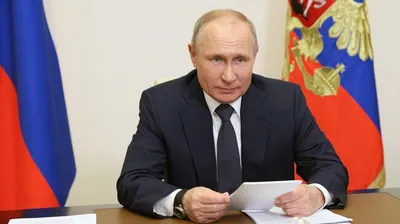
Deputy Head of the Presidential Administration Maxim Oreshkin stated that underestimating financial flows related to mining and cryptocurrency has been one of the reasons for inaccurate forecasts of the ruble exchange rate. He explained that mining has turned into a new export sector and significantly shapes the currency supply in the market.
Maxim Oreshkin's View on Mining
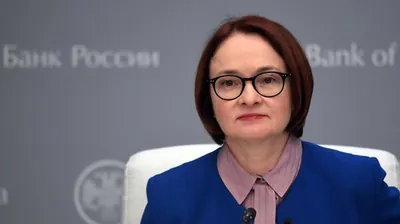
Oreshkin emphasized that mining is an "undervalued sector," which he called a hidden export because significant sums pass outside traditional channels. According to him, such flows influence the currency market and should be accounted for in the balance of payments, with the Bank of Russia working on market assessments.
He also noted that the ability to pay for imports with cryptocurrency makes this sector part of foreign economic operations and changes the structure of the money supply. It is important to monitor official evaluations and the accounting of cryptocurrencies in calculations, for example in issues related to cryptocurrency accounting in the balance of payments.
Legalization of Mining in Russia
The law that brought mining into the legal framework came into force on November 1, 2024; a key element of legalization was the ability to use mined cryptocurrency for international payments. This change formally linked cryptocurrency mining with international settlements and gave the industry a clearer economic status.
Legalization changes the legal context for miners' operations and has become a topic of discussion at the regulatory level, including questions about further legal and economic integration of the industry into national mechanisms (mining regulation).
Mining Statistics in Russia
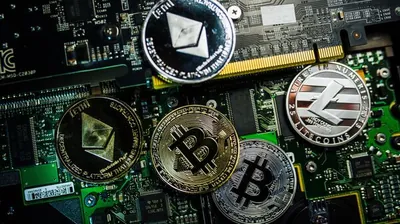
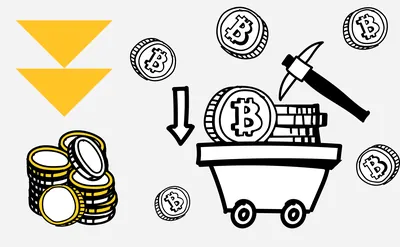
In recent years, Russia has consistently ranked second worldwide in Bitcoin mining volume. In summer 2025, Russian miners' hash rate was 150 EH/s, equivalent to approximately 16.6% of the global hash rate.
Estimates show that Russian miners mined about 36,000 BTC in 2024, which amounted to around $3.15 billion at current exchange rates. These figures highlight the industry's weight in resources flowing through the market and spark discussions about its impact on energy and infrastructure, including in the context of electricity shortages.
Why This Matters
For a miner operating from one to a thousand devices, recognizing mining as an export sector means the industry's activities already affect the country's economy, even though this influence occurs outside standard financial channels. This may reflect the overall attention regulators pay to the industry: from balance of payments assessments to discussions on rules for using mined cryptocurrency.
Legalization and accounting for mined cryptocurrency in international payments increase legal certainty for mining operators and create conditions for more transparent fund handling. However, in practice, this does not eliminate the need to track income and monitor changes in regulations and regulatory assessments.
What to Do?
- Ensure you understand the legal status of your activities: mining in Russia has been legalized since November 1, 2024, affecting the ability to use mined cryptocurrency in settlements.
- Keep clear records of cryptocurrency receipts and sales: maintain logs of mining and transfers to report accurately and analyze flows if necessary.
- Follow regulators' assessments and decisions: the Bank of Russia conducts market evaluations, and this data may affect accounting and payment operation requirements.
- Evaluate electricity and infrastructure costs; mining's impact on energy is publicly discussed, so plan operations considering possible changes in resource availability and costs.
- Maintain contacts with professional communities and consultants to respond quickly to rule and recommendation changes.