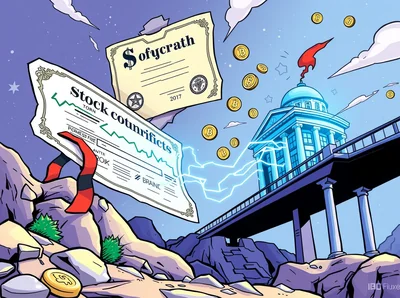
Figure, the fintech company led by SoFi founder Mike Cagney, has launched the On-Chain Public Equity Network (OPEN), a platform for issuing and trading equity on a blockchain. OPEN lets companies record equity directly on the Provenance Blockchain and integrates with Figure’s Alternative Trading System (ATS) to support continuous trading via a limit order book. Figure also said it will be the first company to list its own stock using OPEN and has filed a secondary share offering to enable that transition.
Introduction to Figure’s OPEN Platform
Figure has positioned OPEN as a network that moves issuance and trading of public equity onto blockchain rails, allowing companies to register shares directly on Provenance. The platform aims to reduce reliance on traditional intermediaries by placing issuance and recordkeeping onchain while tying trading into Figure’s existing ATS. Figure’s announcement highlights both issuance and trading as core features of OPEN.
How OPEN Works
At its core, OPEN permits companies to issue equity directly via the Provenance Blockchain, creating blockchain-registered shares rather than relying solely on legacy recordkeepers. The system integrates with Figure’s ATS, enabling continuous trading through a limit order book that operates alongside the onchain registry. According to Figure, investors will be able to lend or borrow against tokenized holdings using DeFi rails, reducing dependence on traditional prime-broker services.
Figure’s Plan to List Its Own Stock
Figure said it will be the first company to list its stock using OPEN, moving from Nasdaq-listed shares to blockchain-registered equity that the firm plans to make interchangeable. The company filed for a secondary share offering as part of that plan, which would allow existing Nasdaq-listed shares and the new blockchain-native shares to be swapped. Figure’s decision to list its own stock is presented as a test case for broader onchain issuance and trading.
Market Context and Projections
The tokenized stocks market is currently valued at $870 million and sees over $2 billion in monthly trading volume, according to RWA.xyz data cited by Figure. Most current tokenized offerings, the announcement notes, are wrappers of existing shares rather than native onchain equity, a distinction Figure says OPEN addresses. For background on tokenization and market dynamics, see tokenized stocks guide and recent examples like the Ondo Finance launch.
Regulatory Support and Future Outlook
Regulatory voices have signaled support for tokenization as a structural change. SEC Chairman Paul Atkins said tokenization could "reshape the financial system," pointing to potential benefits such as greater transparency and reduced risks and trade gaps. Figure presents OPEN as part of a broader move to rewire issuance, trading and custody using blockchain plumbing.
Why this matters
If you operate mining hardware, this development does not change how mining works or affect your rigs and electricity needs, because OPEN focuses on issuing and trading equity rather than on consensus mechanisms. However, the growth of tokenized markets can influence the broader crypto ecosystem, for example by increasing onchain activity tied to financial assets and prompting more integrations between traditional finance and blockchain services. Keep in mind that these effects relate to market structure and institutional access rather than mining protocols or device performance.
What to do?
If you run from a single device up to a small farm, there are a few simple steps to stay prepared: monitor major industry developments like OPEN that bridge blockchain and traditional markets, because they shape where projects and liquidity concentrate; keep mining operations efficient and compliant with local rules so you can adapt if demand patterns change; and avoid making operational changes based solely on tokenization news, since your hardware and mining economics remain driven by consensus and energy costs.