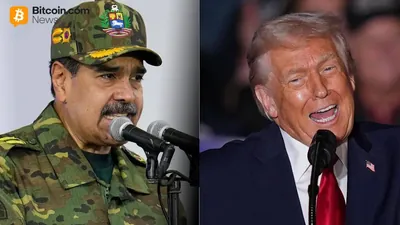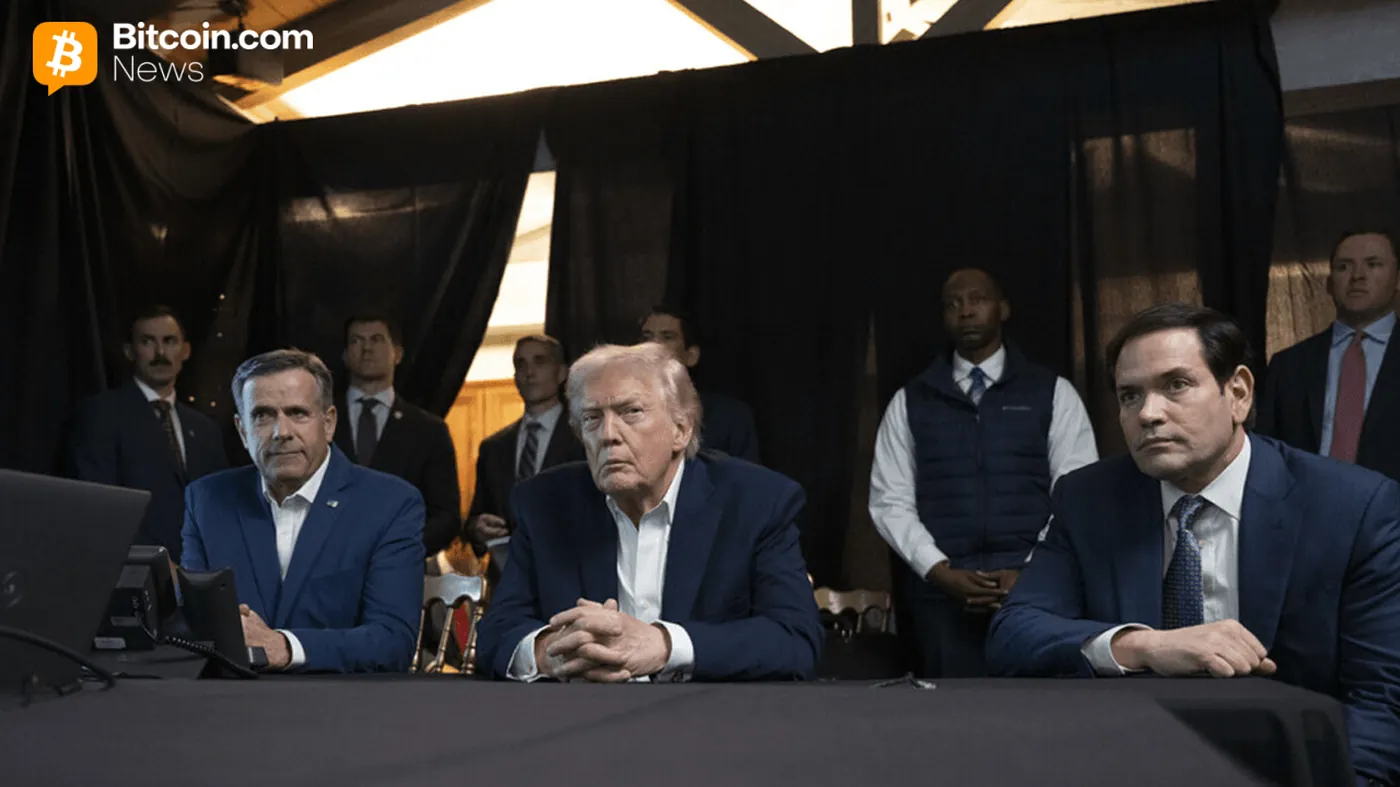
U.S. forces removed Venezuelan leader Nicolás Maduro from power early on Jan. 3, 2026, following an overnight raid near Caracas. Elite Delta Force units captured Maduro and his wife, Cilia Flores, and U.S. officials said Maduro will face trial in New York on charges including narco-terrorism and drug trafficking.
U.S. Military Operation Removes Maduro
According to public statements, an overnight raid by elite U.S. units near Caracas led to the capture of Nicolás Maduro and his wife and the abrupt end of his hold on power. U.S. leaders said the operation neutralized Venezuelan military defenses during late hours and that Maduro would be transferred to face longstanding U.S. charges in New York.
Officials also said the United States would temporarily oversee Venezuela’s transition to ensure stability following the removal of its leadership. The operation was described publicly as rapid and decisive, and explosions and communications disruptions were reported around the time of the raid.
Reactions and Implications for Venezuela
Inside Venezuela, opposition figures welcomed the capture and called for restoring order and releasing political prisoners, while critics in the region condemned the unilateral strike as a violation of sovereignty. U.S. officials and some politicians framed the action as the culmination of escalating pressure after disputed elections in 2024.
Observers compared the operation to the 1989 U.S. action that detained Manuel Noriega, and reports said Venezuela’s governing structure was left in disarray immediately after the raid. Communications disruptions made it difficult to verify events on the ground in real time.
Polymarket Traders Profit from Maduro’s Removal
Prediction-market contracts tied to Maduro’s removal resolved as “Yes” on Jan. 3, triggering full payouts for holders of those contracts. One flagship contract that had traded at only a few cents before the raid closed at full value, producing large gains for recent buyers who had taken high-conviction positions.
Several newly created accounts placed large bets in Venezuela-related markets in the hours before the announcement, and one account named "Burdensome-Mix"—which had existed for only a week—became the largest "yes" holder in the market. These trading patterns have prompted online debate about whether nonpublic information influenced activity on the platform; discussion of those concerns is ongoing and has drawn outside commentary, including critiques documented by observers on social media and specialized reporters.
Why this matters
If you run mining equipment in Russia, this event is primarily a geopolitical development rather than a direct change to mining operations, but it can affect the broader crypto ecosystem in the short term. The capture and announced legal proceedings are significant political events that moved prediction markets quickly, illustrating how fast platforms like Polymarket can price major outcomes.
At the same time, debate over suspicious trading ahead of the announcement highlights risks around using emerging markets for political bets, including sharp, unexpected payouts and reputational scrutiny for platforms and traders. For most miners, the operational impact is indirect, but awareness of market and regulatory attention remains useful.
What to do?
- Monitor verified news sources and official statements rather than social media rumors, especially around major geopolitical events that can move markets suddenly.
- Keep wallets and payouts secure: ensure private keys and exchange accounts follow best practices so you aren’t exposed during volatile news cycles.
- Avoid trading on or acting upon nonpublic information; the Maduro markets showed how fast rewards and scrutiny can follow sudden resolutions.
- Maintain routine operational safeguards for your miners (backup power, monitoring, and software updates) so short-term market turbulence doesn’t distract from uptime and security.
For deeper reading on insider-trading concerns and prediction-market mechanics, see analysis by ZachXBT on insider trading and an explainer of what prediction markets are.