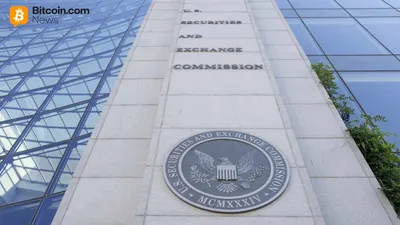
Determining whether cryptocurrency qualifies as a security is a complex issue that involves understanding legal definitions and regulatory approaches. This classification significantly affects investors, developers, and users by shaping compliance requirements and market practices.
Understanding Cryptocurrency as a Security
Securities are financial instruments that represent an investment contract or ownership stake, subject to specific regulations. In the context of cryptocurrency, this means examining whether a digital asset meets criteria such as expectation of profit from the efforts of others. Regulatory bodies analyze these factors to decide how to classify various crypto assets, which in turn impacts how they are traded and governed.
DeFi Tokens and Their Regulatory Status
Decentralized Finance (DeFi) tokens often have characteristics that differ from traditional securities, including governance rights and utility functions within their platforms. Regulators assess DeFi projects based on these features and the degree of decentralization. For users and platforms, this classification influences legal obligations and the scope of permissible activities.
Staking Rewards and Securities Laws
Staking involves locking cryptocurrency to support network operations, often earning rewards in return. The legal status of these rewards is debated, as some view them as potential securities due to their investment-like nature. This debate affects holders and service providers by determining the regulatory frameworks they must navigate.
Airdrops: Distribution and Legal Perspectives
Airdrops distribute tokens to users, sometimes as promotional tools or rewards. Their regulatory scrutiny depends on how they are conducted and whether recipients have an investment expectation. Examples vary between compliant airdrops that avoid securities classification and others that may trigger regulatory concerns.
NFTs and Their Classification
Non-fungible tokens (NFTs) represent unique digital items and have diverse applications, from art to gaming. Arguments exist both for and against treating NFTs as securities, hinging on their use cases and the nature of ownership rights. Current regulatory positions continue to evolve as the market develops.
Why This Matters
For miners and crypto users in Russia managing from a few to a thousand devices, understanding these classifications is crucial. It informs compliance with laws, affects the security of investments, and guides participation in various crypto activities. Even if direct impacts seem limited, staying informed helps anticipate regulatory changes and avoid legal pitfalls.
What To Do
- Monitor regulatory updates related to crypto securities to ensure compliance.
- Evaluate the nature of your crypto assets, including DeFi tokens, staking rewards, airdrops, and NFTs, in light of securities laws.
- Consult legal experts when engaging in activities that may involve securities to mitigate risks.