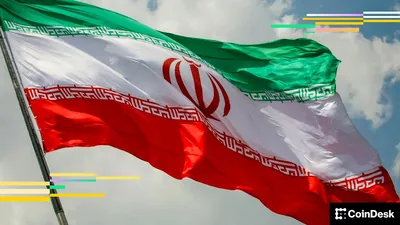
Blockchain analytics firm Elliptic found that Iran’s central bank acquired approximately $507 million worth of Tether (USDT) over the past year. The purchases were executed in two large transactions in April and May 2024, with most of the funds later sent to the local exchange Nobitex and then moved through a cross‑chain bridge. Elliptic also identified a specific wallet tied to these holdings, and the activity resulted in a total outflow of 507 million USDT from that address.
Iran’s Central Bank USDT Strategy Revealed
Elliptic’s analysis connects the central bank to a distinct cryptocurrency wallet that received substantial USDT inflows, and the firm reports two main acquisition events in April and May 2024. After those purchases, most funds were transferred to Nobitex, a domestic exchange, and subsequently converted into other assets using a cross‑chain bridge. The chain of movements recorded by Elliptic culminated in a total outflow of 507 million USDT from the identified wallet.
Economic Context Behind the Move
The reported transactions occurred against a background of pressure on Iran’s national currency and constrained access to international financial channels, factors cited in the original reporting. International sanctions and persistent currency challenges are presented as reasons why nontraditional payment methods attracted attention from Iranian authorities. Iran’s 2023 decision to recognise cryptocurrency mining as a legitimate industrial activity is part of that broader regulatory context and signals a selective acceptance of digital‑asset tools within national policy.
Expert Analysis of the Blockchain Evidence
Elliptic’s identification of a specific wallet illustrates how blockchain transparency and analytics can reveal sizeable institutional flows. The firm used on‑chain tracing and address clustering to link transactions and follow subsequent movements to known exchange addresses, showing how forensic tools map large transfers. These methods underline the growing role of blockchain analytics in tracking state‑level cryptocurrency activity and informing compliance efforts.
Technical Execution and Blockchain Mechanics
The central bank’s conversions involved use of a cross‑chain bridge, a tool that moves assets between different blockchain networks to access liquidity or other token standards. Nobitex appears in the flow as the exchange that received most of the transferred USDT before conversion, indicating an on‑ramp from tether holdings into other assets or local liquidity. Taken together, the steps show a multistage process: acquisition, transfer to a regulated local platform, then cross‑chain conversion.
International Reactions and Regulatory Implications
The revelation prompted discussion about monitoring and regulating large stablecoin flows, and the reporting notes concerns previously voiced by the United States Treasury Department regarding sanctioned entities’ use of cryptocurrency. International bodies such as the IMF and the FATF are referenced in the broader conversation about how jurisdictions should handle cryptocurrency adoption and anti‑money laundering controls. These reactions reflect attention from regulators to state and institutional uses of stablecoins for trade and reserves management.
Broader Implications for Global Finance
This episode highlights increasing intersections between traditional financial policy and digital assets, as well as the practical utility some states find in stablecoins for settlement and currency defence. The case underlines the value of blockchain analytics firms in making large‑scale crypto movements visible to researchers and regulators. As a result, on‑chain transparency is likely to remain a central tool for understanding state‑level flows in digital assets.
Why this matters
For an individual miner operating in Russia with anywhere from a single rig to a small farm, the Iran case mainly demonstrates that states can and do use stablecoins at scale for financial purposes. The fact that Iran recognised mining as an industrial activity in 2023 shows that governments may formalise or regulate mining differently from trading, which can affect access to local services and compliance rules. At the same time, the direct operational impact on day‑to‑day mining (power, hashing, hardware) remains limited; the relevance is principally in regulatory and market‑access terms.
What to do?
- Keep clear records of mined coins and sales: maintain exportable logs and invoices to demonstrate provenance if exchanges or regulators request them.
- Choose counterparties carefully: if you sell mined coins, prefer exchanges or buyers with visible compliance practices and transparent fee structures, and be aware of the platforms you use by name.
- Monitor regulatory news: follow local announcements on mining and cryptocurrency rules so you can adapt operations if authorities change classifications or requirements.
- Manage counterparty risk: diversify where you liquidate coins to avoid relying on a single exchange, and check withdrawal and conversion procedures before moving funds.
- Use basic operational safeguards: secure wallets, backups of keys, and up‑to‑date software to reduce the risk of loss or seizure of mined assets.
For further reading on how cryptocurrencies have been used in Iran’s economy and sanctions contexts, see Bitcoin as an alternative and the reporting on cryptocurrency and sanctions.