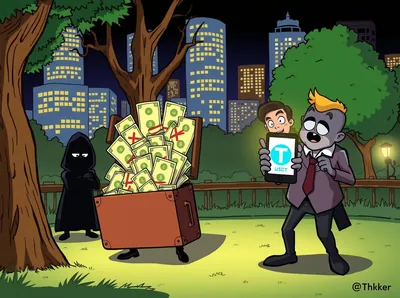
Tether froze $182 million in USDT held across five Tron wallets, acting on formal requests from U.S. law enforcement agencies including the Department of Justice and the FBI. The company used administrator keys embedded in the USDT smart contract on the Tron network to immobilize the specific token balances. On-chain analysis showed the targeted addresses exhibited patterns consistent with sophisticated fund movement, and the market reaction was muted — USDT maintained its dollar peg. This action follows previous interventions by Tether, including sizable freezes of tokens linked to thefts and scams in 2023.
Overview of the Tether USDT Freeze
The freeze affected five addresses on the Tron network and involved $182 million in USDT, according to the reporting. Tether confirmed the action was taken after formal law enforcement requests and applied the issuer’s technical controls to block movement of the tokens. The targeted wallets’ activity suggested coordinated transfers that attracted investigative attention, and the company’s response fits its established practice of cooperating with authorities. For broader context on Tether’s past interventions, see Tether freeze cases in this publisher’s archives.
Mechanism Behind the Freeze
The immobilization was carried out using administrator keys built into the USDT smart contract on Tron, which grant Tether the technical ability to freeze specific token balances. This design reflects how many fiat-backed stablecoins include centralized controls to enable compliance actions when required. Such keys allow an issuer to act quickly on lawful requests, preventing movement from specified addresses while keeping the token ledger intact. Other large stablecoin issuers use comparable controls as part of their compliance and security toolset.
Law Enforcement Collaboration
Tether said it acted following formal requests from U.S. agencies, naming the Department of Justice and the Federal Bureau of Investigation as parties involved. Public ledgers and transaction traceability can help investigators link on-chain patterns with off-chain intelligence, which in turn supports targeted freezes. The reported freeze aligns with prior cooperation by Tether in asset blocking tied to thefts and scams, illustrating an operational channel between the issuer and authorities. Analysts point to this sort of coordination as a working example of how private platforms and public agencies interact on complex investigations.
Impact on Tron Network and Crypto Markets
The action took place on the Tron network, which hosts USDT tokens alongside other blockchains, showing compliance measures are enforceable across multiple networks where the asset circulates. Market response was described as muted: USDT remained pegged to the dollar, which suggests that, in this instance, the freeze did not disturb broader stablecoin functioning. For everyday users and services on Tron, the freeze targeted specific addresses and did not alter the network’s general usability for legitimate transactions. The episode has renewed conversation about alternatives and trade-offs between centralized compliance controls and decentralization.
Почему это важно
Если вы майните в РФ с любым количеством устройств, важно понимать, что эмитенты централизованных стейблкоинов могут блокировать конкретные балансы по юридическим запросам. Такое вмешательство не означает массового отключения сети, но показывает, что отдельные адреса могут стать недоступны для переводов в ответ на расследования. Поддержание привязки USDT к доллару в ходе этой операции также демонстрирует, что ликвидность и обменные операции в целом остались стабильными. В результате, для привычной работы майнера ничего глобально не изменилось, однако риск столкнуться с замороженными переводами существует при взаимодействии с сомнительными адресами.
Что делать?
Проверьте контрагентов и адреса, с которыми взаимодействуете; избегайте приема средств с подозрительных или неизвестных источников, поскольку именно такие балансы чаще оказываются замороженными. Храните ключи и доступы в безопасности и используйте проверенные провайдеры кошельков и обменов, чтобы уменьшить операционные риски при переводах. Не совершайте операции с адресами, которые демонстрируют «сложное перемещение средств» по леджеру; при сомнениях лучше отказаться от транзакции и запросить разъяснения у контрагента. Наконец, следите за официальными уведомлениями эмитента и правоохранительных органов, если ваши контракты или сервисы взаимодействуют с адресами, вовлечёнными в расследования — это поможет оперативно реагировать на блокировки.
Frequently Asked Questions
- Why can Tether freeze USDT in wallets? — Tether embeds administrator keys in its USDT smart contracts that allow the issuer to freeze specific token balances when required to comply with lawful requests from authorized agencies.
- Does this mean USDT is not decentralized? — Correct. USDT is a fiat-backed stablecoin with centralized controls for minting, redemption and compliance actions, including freezing balances when directed by legal requests.
- What happens to the frozen $182 million in USDT? — The frozen tokens remain immobilized on the blockchain addresses and cannot be moved; their final disposition depends on the outcome of the related legal processes.
- How does this affect other Tron or USDT holders? — For holders not associated with the targeted addresses there is no direct operational impact; the freeze targeted specific wallets and USDT maintained its peg during the event.
- Can frozen USDT be unfrozen? — Technically yes: the issuer’s administrator keys can be used to reverse a freeze, but unfreezing would depend on legal developments such as withdrawal of requests or court orders.
For related coverage of past issuer interventions and legal outcomes, see asset recovery rulings and the linked overview of other freeze cases.