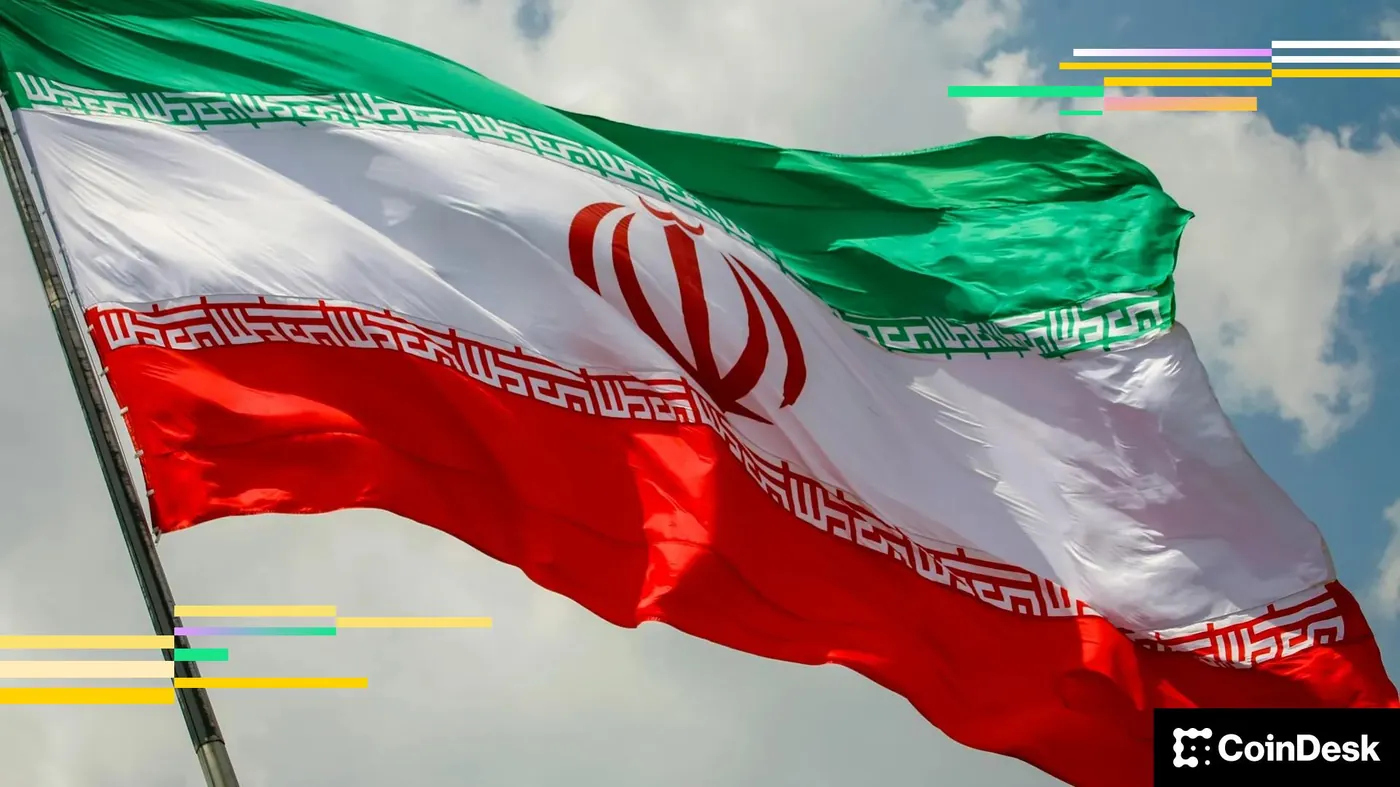
Mindex, the export centre of Iran's Ministry of Defense, now lists cryptocurrency as a payment option for advanced weapons systems. The same pages also note other payment paths such as Iranian rials or barter arrangements, while no prices are shown for the items on offer. Mindex is identified as the body handling Iran's overseas defence sales and it states that it has clients in 35 countries. These details come from the centre's public material and reporting by industry outlets.
Iran's Cryptocurrency Payment for Weapons
The centre's website presents cryptocurrency alongside traditional and non-cash methods as possible means to complete purchases of military equipment. Listed categories include missiles, tanks and drones, but the pages do not display prices for any of those items. Including crypto as an accepted payment method is presented on the site as an alternative to payments in Iranian rials or barter agreements.
Mindex's Role and Reach
Mindex is described on its materials as the entity responsible for Iran's defence exports to foreign customers. The centre claims to have clients in 35 countries, which frames these payment options as part of its overseas sales operations. That reach is stated on Mindex's public pages rather than in separate commercial disclosures.
Bypassing International Sanctions
The reporting connects the use of cryptocurrency in transactions involving sanctioned countries with an established practice of moving digital assets across borders. In early 2025, blockchain analytics provider Chainalysis reported that U.S.-sanctioned countries had received nearly $16 billion in digital assets the year before. That figure is cited to show how digital-asset flows have already been used in contexts involving sanctions.
UN Sanctions Re-escalation
The news comes against a background of renewed international measures: United Nations sanctions against Iran saw a re-escalation in 2025, with the reimposition of those that had been lifted in 2015 and were related to the country's nuclear programme. The reimposition of these measures is part of the broader international policy context referenced in reporting on the subject.
Why this matters
For a miner operating in Russia with anywhere from a single device to several hundred, the direct operational impact of this announcement is likely limited: the story concerns payment methods for state-level arms sales rather than changes to mining protocols or local electricity rules. However, the development highlights how digital assets are being used in high-value cross-border transactions, which can affect regulatory attention and public discussion of cryptocurrencies.
At the same time, miners should be aware that shifts in how cryptocurrencies are used internationally can influence policy and enforcement priorities at national and supranational levels. For context on crypto and sanctions debates, see reporting that examines cryptocurrency and sanctions crypto and sanctions, and material on how people turn to Bitcoin in times of currency stress Bitcoin for savings.
What to do?
- Stay compliant: ensure your operations, transactions and counterparties comply with Russian law and applicable international restrictions. Keep documentation for payments and counterparties to demonstrate compliance if required.
- Protect your wallets and keys: use hardware wallets or reputable custodial solutions for any holdings, enable strong authentication, and separate operational funds from long-term reserves.
- Monitor news and regulation: follow reliable sources on sanctions and crypto analytics to track shifts in enforcement or reporting that could affect exchanges, on-ramps or service providers you rely on.
- Avoid risky transactions: do not participate in transfers that could directly or indirectly facilitate weapons purchases or involve sanctioned entities; if unsure, seek legal advice before proceeding.