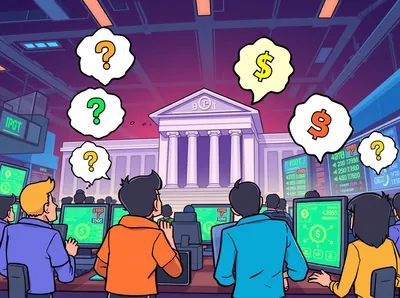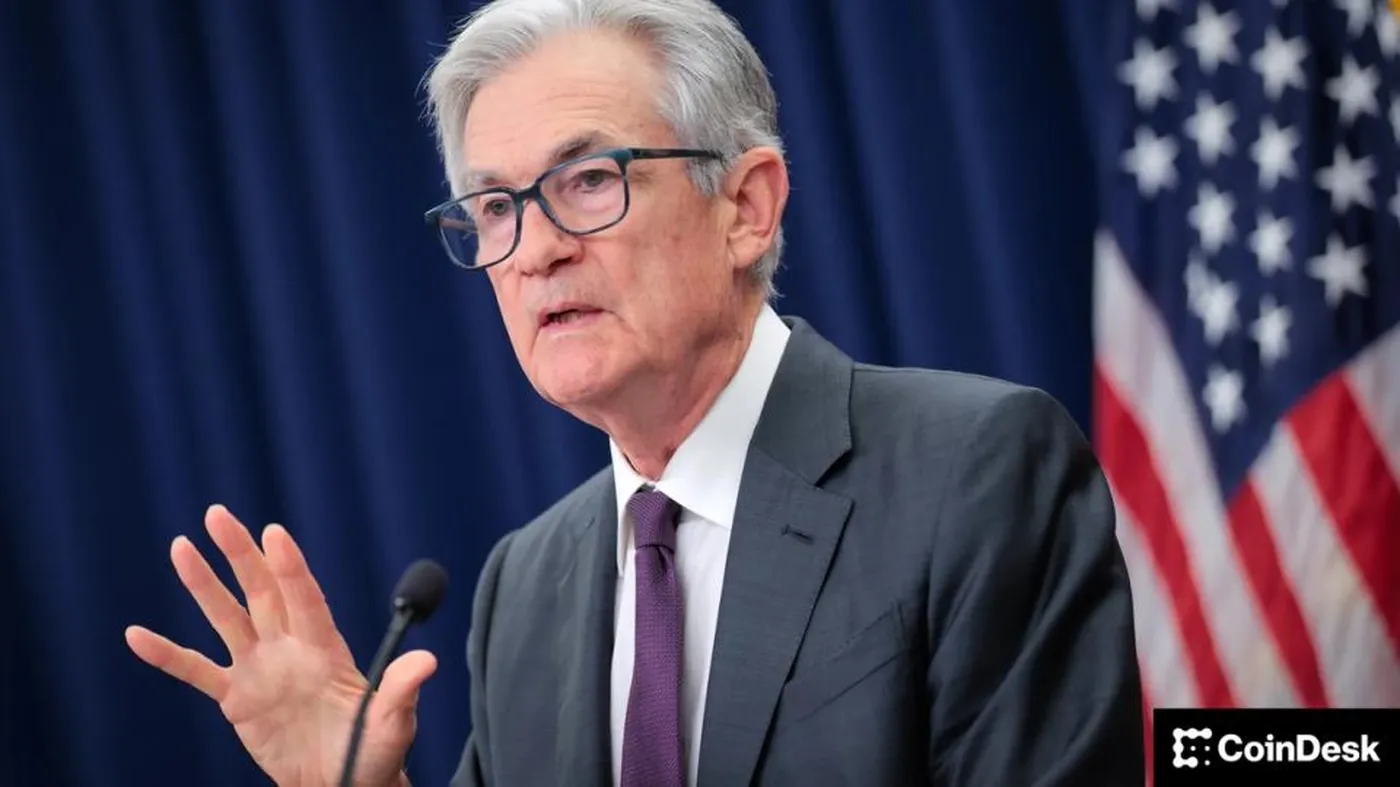
The Federal Reserve is widely expected to leave its policy rate unchanged at 3.5%-3.75%, with CME's FedWatch putting the probability of no cut at 96%. Markets are therefore focusing on Chairman Jerome Powell's post-meeting press conference for guidance on the path ahead rather than on an actual rate move. Powell's December comment that the committee will hold off on additional cuts into 2026 and recent remarks from Fed officials frame expectations going into the meeting.
Federal Reserve's Expected Rate Decision
Futures markets show a strong consensus that the Fed will stand pat at 3.5%-3.75%, reflecting the view that immediate easing is unlikely. That outlook aligns with Powell's December statement about delaying additional cuts into 2026, and with Minneapolis Fed President Neel Kashkari saying it is "way too soon" to cut rates again. For background on market positioning ahead of the meeting, see the Fed rates forecast, which reviews how markets are pricing the pause.
Hawkish vs. Dovish Pause Scenarios
The key question for traders is whether a pause in cuts will be presented in hawkish or dovish terms. A hawkish pause would involve Powell emphasising lingering inflation risks, which tends to reduce expectations for rate cuts and can weigh on risk assets. By contrast, a dovish pause would signal that cuts remain on the table and could lift risk assets, including bitcoin.
Morgan Stanley expects the Fed to signal a dovish tilt by keeping language about "considering the range and timing for further adjustments to the target range," while some Fed officials could dissent. Trump's appointee, Stephen Miran, is expected to dissent in favour of a bold 50-basis-point cut; if dissent grows, that would strengthen arguments for future easing. JPMorgan stands apart in expecting no rate move this year followed by a hike next year, highlighting differing market views.
Impact of Trump's Affordability Measures
Powell may be asked about the potential macro effects of President Trump's housing measures, including an instruction to buy $200 billion in mortgage bonds and an executive order limiting large institutional purchases of single-family homes. Allianz Investment Management warns that a large mortgage-backed securities purchase could pull forward demand and inflate housing prices, while the ban on institutional buyers is expected to have a smaller effect given their share of the housing stock.
These housing moves are part of the broader conversation Powell may face at the press conference, since any near-term inflationary impact from such measures could influence how the Fed frames its policy stance. For more context on how Fed policy ties to crypto markets, see Fed policy and bitcoin.
Market Reactions and Volatility
Analysts at ING note that a clear explanation from Powell for standing pat could strengthen the U.S. dollar, which in turn tends to weigh on dollar-priced assets like bitcoin. Bond market moves and geopolitical or fiscal developments abroad have already contributed to volatility, and Powell may face questions about both bond-market turbulence and an ongoing DOJ investigation targeting him personally.
How Powell balances these issues in his remarks will shape near-term market sentiment: a firm, hawkish tone tends to lift the dollar and strain risk assets, while language keeping easing on the table could ease pressure on stocks and cryptocurrencies. For a broader outlook on crypto into 2026, consult this crypto forecast 2026.
Why this matters
If you run mining equipment in Russia — from a single rig to a few hundred — the Fed's decision is relevant because it shapes global risk appetite and the dollar's strength, both of which influence bitcoin price moves. A dovish signal from Powell could lift bitcoin and improve short-term fiat revenue when you sell coins, while a hawkish stance that supports the dollar could coincide with weaker bitcoin performance.
Trump's housing measures and any related inflationary effects are more likely to affect U.S. housing markets than daily mining operations, but they add to macro uncertainty that can increase price swings. Also note that political developments involving Powell can feed headlines and volatility even without direct economic links to mining.
What to do?
Keep position sizes and cash buffers aligned with your operating costs so you can cover power and maintenance during sudden swings. Watch Powell's press conference and short-term market moves rather than reacting to the headline decision alone, because the tone and statement language are where the market sees new information.
- Follow headline language and market pricing indicators (for example, futures) to gauge whether the Fed leans dovish or hawkish after the meeting.
- Consider setting stop-losses or staggered sell orders to protect cash flow if volatility spikes; avoid overleveraging equipment if you rely on steady margins.
- Keep records of local costs and electricity usage to evaluate whether temporarily reducing hashing capacity is preferable to selling at a loss during sharp drawdowns.