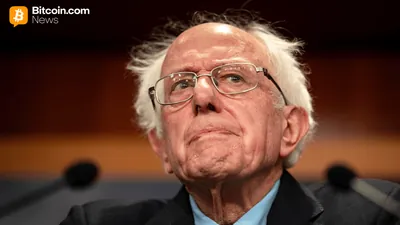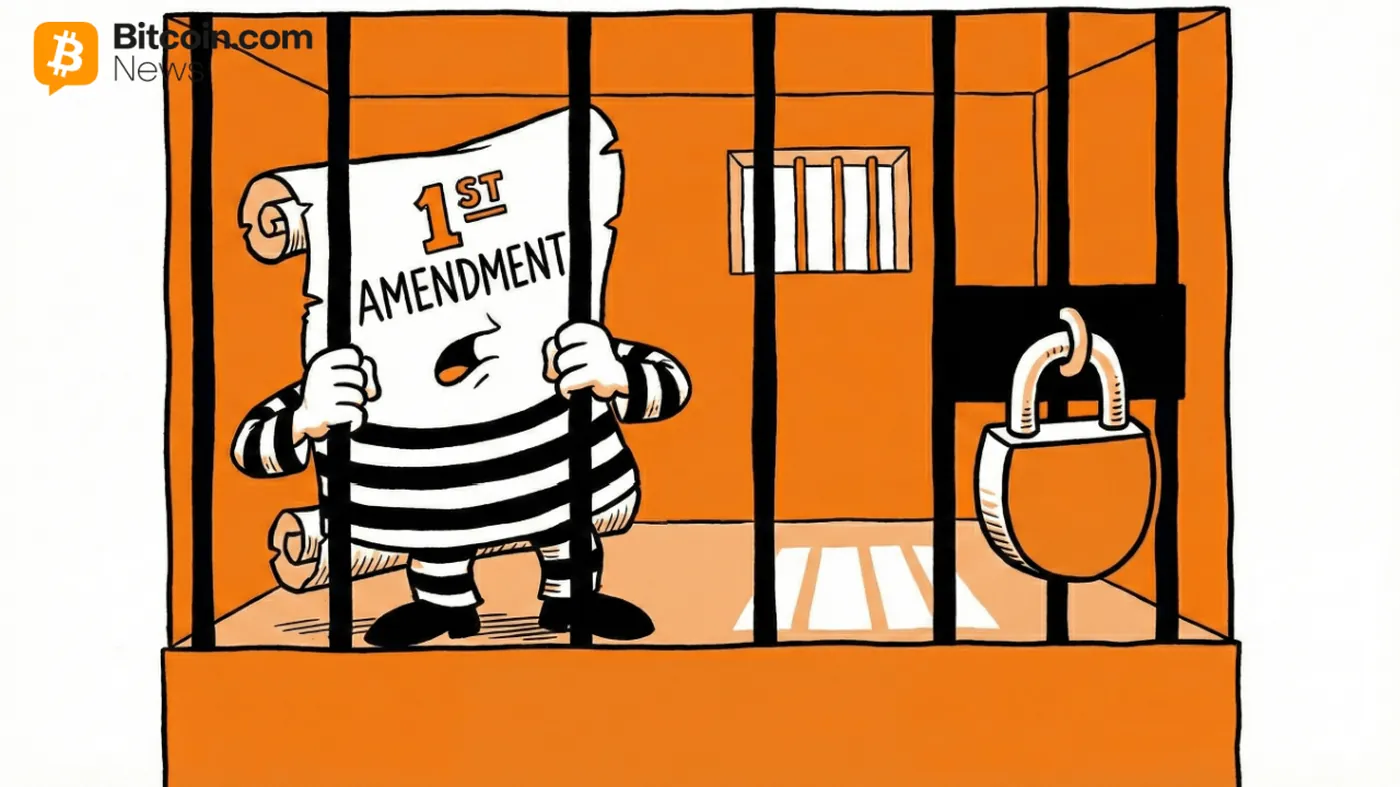
Shlomo Kramer, CEO of Cato Networks, publicly called for limiting the reach of the First Amendment to strengthen defenses against cyber warfare and social media manipulation. He made these remarks in a recent interview on CNBC and cited the need for new measures to protect the country’s future. Kramer, who was previously part of the Israeli unit 8200, said governments were not currently applying such measures and that enterprises were shouldering much of the burden. His proposals — and the urgency with which he framed them — provoked strong reactions online and from some political figures.
Shlomo Kramer's Call to Limit the First Amendment
Kramer argued that the First Amendment’s current scope should be narrowed in order to address threats posed by the intersection of artificial intelligence, social media, and political stability. In the CNBC interview he described limiting the amendment as one of several steps the U.S. government could take to evolve protections against cyber warfare and manipulation on social platforms. Kramer presented this as an urgent need, saying action should come quickly to protect the country’s future. His background in the Israeli unit 8200 was referenced during the discussion, tying his cybersecurity experience to his recommendations.
Proposed Measures for Social Media Platforms
Among the measures Kramer proposed was tighter control of social media platforms, including systems to "stack, rank" and verify the authenticity of people who express themselves online. He called for validating the authenticity of every person online and taking control of what is said on platforms as part of a defensive strategy. Kramer also noted that, at present, enterprises bear much of the defensive effort while governments are not taking these steps, a point that feeds into wider debates about the balance between private and public responsibility, including discussions about risks of government oversight.
Reactions to Kramer's Comments
The remarks prompted outrage on social platforms and renewed concerns about restrictions on freedom of speech in online spaces. Political figures voiced clear opposition: Matt Gaetz responded emphatically, saying, "No. We aren’t going to do this." Marjorie Taylor Greene also rejected the measures, describing them as contrary to what was voted for in 2024. These public responses reflect broader pushback to proposals seen as expanding control over online expression and content moderation, a debate tied to ongoing privacy questions at the SEC and other forums discussing platform governance.
Context and Implications
Kramer framed his proposal within concerns about AI-driven manipulation and the destabilizing effects of social media on politics and public discourse. While his suggestions focus on platform controls and user verification, they sit alongside other policy conversations about the role of technology in public life, including debates over AI infrastructure and data centers. These intersections—AI, social media, and national security—inform why some industry voices are calling for stronger technical and regulatory responses, even as others warn about overreach.
Why this matters
For individual miners and small operations, Kramer’s proposal targets platforms and verification systems rather than mining hardware or electricity usage, so any immediate operational impact would be indirect. However, changes to platform policies or verification requirements can affect how information about projects, sales, and coordination is shared online, which may influence outreach, sales channels, or community communication. It's useful for miners who rely on social networks to track such discussions and be aware of policy debates that could change platform rules.
What to do?
Monitor official statements and platform policy updates so you can adapt communication channels if verification or content rules change. Keep backups of important contacts and consider diversifying where you communicate about projects or sales, using multiple platforms and direct channels. Stay informed about regulatory conversations and related industry debates—such as AI infrastructure and privacy roundtables—to understand any indirect effects on how you reach customers or partners.
FAQ
What recent comments did Shlomo Kramer make regarding the First Amendment?
Kramer suggested limiting the First Amendment to enhance protections against cyber warfare and social media manipulation. He framed this as an urgent measure the U.S. could take to evolve its defenses.
What measures does Kramer propose for social media platforms?
He advocated controlling social media platforms and validating the authenticity of individuals who express themselves online, proposing systems to rank and verify users. Kramer said enterprises are currently bearing most of the defensive work while governments are not doing this today.
What was the reaction to Kramer’s comments?
His remarks sparked outrage on social platforms and raised concerns about potential restrictions on freedom of speech. Public figures like Matt Gaetz and Marjorie Taylor Greene voiced strong opposition to the proposal.
How did political figures respond?
Matt Gaetz explicitly rejected the idea, saying, "No. We aren’t going to do this," and Marjorie Taylor Greene described the measures as contrary to what was voted for in 2024. Their responses reflect clear political resistance to limiting First Amendment protections in this way.