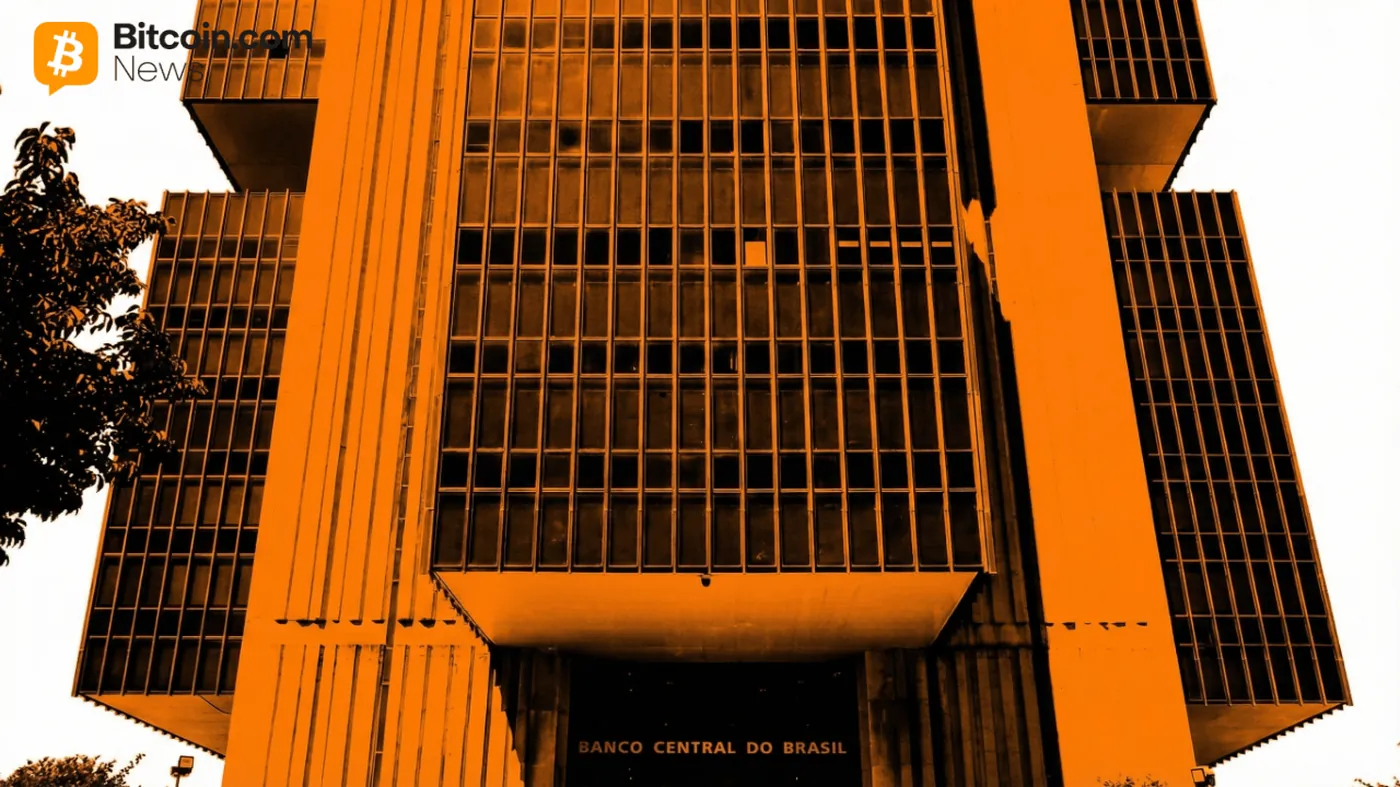
The Central Bank of Brazil issued IN 701/2026, a set of rules for banking institutions and brokers that offer services with cryptoassets. Under the new framework, institutions must obtain certification from an independent, qualified company confirming they meet regulatory requirements such as asset segregation and proof of reserves. The rules allow banks to start services after 90 days from notifying the Central Bank, provided the notification includes independent technical certification showing full compliance. Experts quoted in coverage say large auditing firms and specialized consultancies are likely to perform these certifications.
Overview of Brazil's New Crypto Regulations
IN 701/2026 formalises compliance steps for banks and brokers that want to operate with cryptoassets in Brazil. The regulation focuses on requiring external validation of controls rather than leaving certification solely to the institutions themselves. By tying market entry to independent certification, the Central Bank aims to set a clear baseline for custody and reserve practices for virtual assets service providers (VASPs).
Compliance Requirements for Institutions
Institutions must enlist an independent, qualified company to certify that they follow the Central Bank's rules for VASPs. This requirement is a precondition for beginning operations under the new framework and centres on technical verification from a third party. The certification must address key safeguards that separate customer holdings from a company's own assets and document the reserves that back held digital assets.
- Asset segregation: user funds cannot be commingled with the institution’s own resources.
- Proof of reserves: independent verification of all digital assets held by customers and the company.
- Third‑party certification: an independent, qualified company must attest to compliance with these rules.
Process for Banks to Enter the Crypto Market
Banks that intend to offer crypto services must follow a notification-and-certification route outlined by IN 701/2026. The Central Bank allows institutions to begin services after a 90-day period following communication, on the condition that the notification is accompanied by independent technical certification proving compliance. In practice, this creates a clear sequence: engage a certifier, obtain technical certification, notify the Central Bank, then observe the 90-day window before starting services.
- Engage an independent, qualified certifier to assess compliance.
- Obtain independent technical certification that demonstrates required controls.
- Notify the Central Bank and wait 90 days with the certification in place to begin services.
Expert Insights on the New Rules
Isac Costa of the Brazilian Institute of Technology and Innovation (IBIT) says the rules let banks operate without completing the full authorisation process for typical VASPs, provided they secure independent certification. He expects that large global auditing firms with crypto practices, consultancies focused on blockchain security and custody, and regulatory consulting firms with the right technical capacity will perform the certifications. The Central Bank is also expected to issue further clarification about which certifiers will be acceptable, since their role is central to onboarding institutions.
For background on market developments in Brazil, see crypto activity in Brazil and the overview of Brazil crypto in 2025.
Why this matters
If you mine with one to a thousand devices in Russia, these Brazilian rules will only affect you directly when you use Brazilian banks or brokers for custody, trading or custody-like services. The new regime emphasises third‑party certification, asset segregation and proof of reserves, so any Brazilian institution you entrust with funds will be required to show independent verification before offering services. At the same time, if you keep assets in self-custody or use non‑Brazilian service providers, the change is unlikely to alter your daily mining operations.
What to do?
Take a pragmatic approach when interacting with Brazilian institutions or services that operate under Brazil's rules. First, ask crypto banks or brokers for the independent certification and proof of reserves that IN 701/2026 requires, and keep copies for your records. Second, prioritise providers that demonstrate clear asset segregation and can show independent technical attestations of their custody controls. Finally, monitor official clarifications from the Central Bank and the certifier's credentials before moving significant funds to any newly onboarding institution.
Quick checklist
- Request independent certification and proof of reserves from any Brazilian institution you use.
- Verify that customer funds are segregated from company resources.
- Prefer providers with transparent, independent attestations from recognised auditors or specialised consultancies.
FAQ
What is IN 701/2026? IN 701/2026 is a Central Bank of Brazil regulation that sets compliance requirements for banking institutions and brokers operating with cryptoassets, including the need for independent certification.
What must institutions do to comply? Institutions must hire an independent, qualified company to certify compliance, ensure asset segregation, and provide proof of reserves for digital assets held by customers and the company.
How soon can banks start offering crypto services? Banks can start services after 90 days from notifying the Central Bank if the notification is accompanied by independent technical certification proving full compliance.
Who will likely perform the certifications? Isac Costa expects experienced auditors, large global firms with crypto practices, blockchain security consultancies and regulatory consultancies to carry out the required certifications.