Bitgo adds Lightning Network support to its custody platform. This update expands the range of protocols the service works with and opens up additional ways to move funds within the Bitcoin ecosystem. This article explains what Lightning Network is, outlines how its support is implemented, and discusses the practical implications for users.
What is Lightning Network?
Definition of Lightning Network
Lightning Network is a second-layer protocol for Bitcoin designed to process payments off the main blockchain. It uses payment channels between participants to reduce the load on the main network and speed up settlements. It is not a replacement for the blockchain but an additional layer for faster and cheaper transfers.
How Lightning Network Works
At its core are open channels between participants that allow multiple micropayments before settling the final result on the main chain. This model enables exchanges without recording each transaction individually on the blockchain, reducing delays and costs for frequent transfers. Meanwhile, funds remain protected by the cryptographic mechanisms of the base layer.
Benefits of Using Lightning Network
- Fast transactions — payments are processed significantly faster than through the base network.
- Low fees — operations within channels are cheaper compared to on-chain recordings.
- Improved scalability — moving some operations to the second layer reduces the load on the primary network.
Bitgo and Lightning Network Support
Overview of Bitgo Custody Platform
Bitgo positions itself as a custody platform and service for working with cryptocurrencies, providing tools for custodial asset management. Adding support for new protocols expands the ways assets can be managed within the platform and gives clients more flexibility in moving funds. Users can choose settlement methods based on their needs and preferences.
Why Bitgo Adds Lightning Network Support
Supporting Lightning Network expands the custody platform's functionality, allowing clients to leverage second-layer advantages when moving funds. This offers an alternative to standard on-chain transfers and can simplify operations where speed and cost are critical. Such integrations also connect the platform to a broader set of payment ecosystem tools, including scalable settlement solutions.
How This Affects Users
For Bitgo users, this means an additional option for withdrawing, transferring, and settling Bitcoin focused on speed and fee savings. In certain scenarios, using Lightning will be more convenient than standard on-chain operations, especially for multiple small transfers. The custody model and security requirements remain unchanged.
Advantages of Lightning Network for Users
- Fast transactions: payments occur almost instantly within channels, ideal for frequent transfers.
- Low fees: operations within the network cost less compared to individual blockchain entries.
- Scalability: shifting some activity to the second layer reduces load on the main network and enhances system flexibility.
Why This Matters
If you hold funds in Bitgo or use the platform for settlements, Lightning Network support broadens your options for moving funds and can reduce operational costs for frequent payments. This is especially noticeable with regular small transfers or when quick liquidity is needed. Core principles of asset custody and control remain relevant, so it’s important to consider the security of the methods used.
What to Do?
- Check your account settings: consult Bitgo representatives about which Lightning options are available for your account and any requirements.
- Evaluate use cases: consider whether you need fast micropayments or primarily one-time large transfers, and choose the appropriate method for sending funds.
- Test with small amounts: before transferring large sums via the new channel, try several small transactions to understand the process and fees.
- Monitor platform notifications: updates and instructions from Bitgo will help you properly configure Lightning operations.
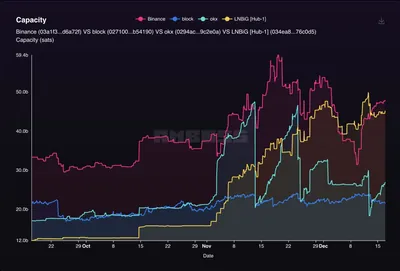
For additional context, you can review materials on current network capacity and related initiatives, such as Lightning Network capacity and publications about payment solution integrations like Tether and Lightning. These resources help understand how second-layer ecosystem development impacts network accessibility and usage options.
FAQ
What exactly did Bitgo do? Bitgo added Lightning Network support to its custody platform, expanding the protocols the service operates with. This means platform users now have an additional method for moving funds focused on fast and relatively low-cost transfers.
Will the security of fund custody change? Supporting the second-layer protocol does not override existing custody and control rules. It’s important to check with Bitgo about procedures and guarantees applicable to Lightning operations within your account.
Does a miner need to change anything in their operations? For miners with 1–1000 devices, this generally does not require changes to mining equipment. It’s recommended to assess whether you use Bitgo for custody or transfers and, if needed, test the new transfer method with small amounts.